A copperhead snake just bit your dog or cat in SC. Here’s what to do next to save them
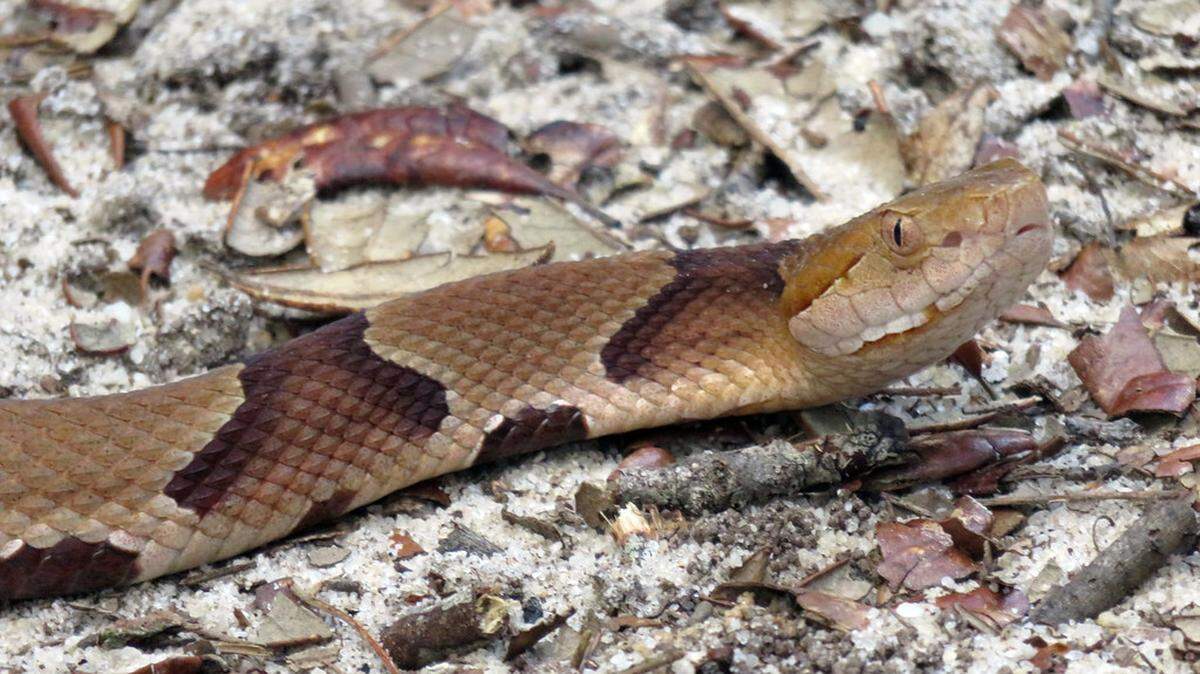
A venomous copperhead just bit your beloved dog or cat.
What now?
Summer is in full swing and many dog owners will take their four-legged friends out to play in parks or to walk on hikes. Meanwhile, outdoor cats will undoubtedly be surveying their territory and getting into places where they don’t belong.
But as the hot temperatures encourage dogs to play outside and cats to roam, that can increase the chances of a run-in with a venomous snake, which could lead to potential danger.
The copperhead is the most common of the six venomous snakes in South Carolina. Here is information on how to identify copperheads and what veterinarians recommend pet owners should know and do if they think their dog or cat has been bitten.
Identifying a copperhead in SC
The copperhead gets its name from the coppery-tan color on its head and on parts of its body, Clemson Cooperative Extension states. Copperheads have triangular-shaped heads, similar to an arrowhead and can grow up to 4 feet long.
Copperheads also feature an hourglass-shaped pattern on their bodies — from the head down to the tail. When curled up, this camouflage can make them look like a pile of leaves. And like most other venomous snakes in South Carolina, copperheads have yellow eyes with black vertical and elliptical pupils.
What to do if cat or dog is bitten by copperhead
According to the American Kennel Club and petMD, if a copperhead has bitten your cat or dog, call your veterinarian or local emergency veterinary clinic immediately and let them know what has happened. And ask if they have antivenom.
“If you have to, drive to a clinic that’s farther away if it means your dog will have access to antivenom,” the American Kennel Club states. “Antivenom works best when given immediately, but it is still effective hours and even days after a bite.”
For your cat, try to keep it as calm and quiet as possible on the way to the vet, petMD states.
“Excitement and heightened activity can cause more venom to be absorbed into the bloodstream,” the website states.
If you’re out on a hike with your dog, carry it to your car if you can.
Snake bite symptoms
It’s not always easy to tell immediately if a pet has been bitten by a snake. Not all snakebites have double puncture marks. Sometimes only one puncture is visible. Still others there are three or more punctures because the snake bit multiple times. And then, some bites bleed so much that they obscure any marks. Below are symptoms dogs and cats may show if they’ve been bitten by a venomous copperhead.
Dogs
- Some dogs may be stoic and hide their pain, but others may react by crying and hiding.
- Dogs will often vomit and have diarrhea soon after a bite.
- Swelling may appear within minutes, followed by bruising.
- Your dog may likely begin drooling or foaming at the mouth after a bit.
Cats
- Extreme pain or swelling at the site of the bite.
- Bruising with dead skin peeling at the bite site.
- Dark, bloody fluid draining from the bite.
- Nausea, drooling and vomiting, along with diarrhea.
- Pale gums.
- Blood in urine.
- Weakness, depression, lethargy.
Snake bite treatments to avoid for dogs and cats
- Avoid any at-home first aid measures.
- Avoid using hot or cold packs on the bite wound.
- Don’t try to cut around the wound to “bleed” out the toxin and don’t try to suck it out either.
- Don’t try to apply a tourniquet to a limb that has been bitten.
Snake safety precautions
Most snake bites in pets are to the face, neck, and limbs, since they are sniffing around objects where snakes tend to hide. To avoid these chance encounters, keep these tips in mind:
- Keep your yard tidy by clearing away undergrowth, toys, and tools that make great hiding places for snakes.
- Keep walkways clear of brush, flowers and shrubs.
- Clean up any spilled food, fruit or bird seed, which can attract rodents — and therefore snakes — to your yard.
- When walking pets, keep them on a leash.
- Steer your pet clear of long grasses, bushes, timber, and rocks which provide camouflage.
- Snakes can strike across a distance equal to about half their body length.
- If you see a snake, head back the way you came.
- Familiarize yourself with snakes who are common in your area.
- In the event of a bite, identifying the type of snake may help with your pet’s treatment.
This story was originally published July 8, 2025 at 6:00 AM.