
Destructive invasive critter found in SC for 1st time. Here’s why it’s such a threat
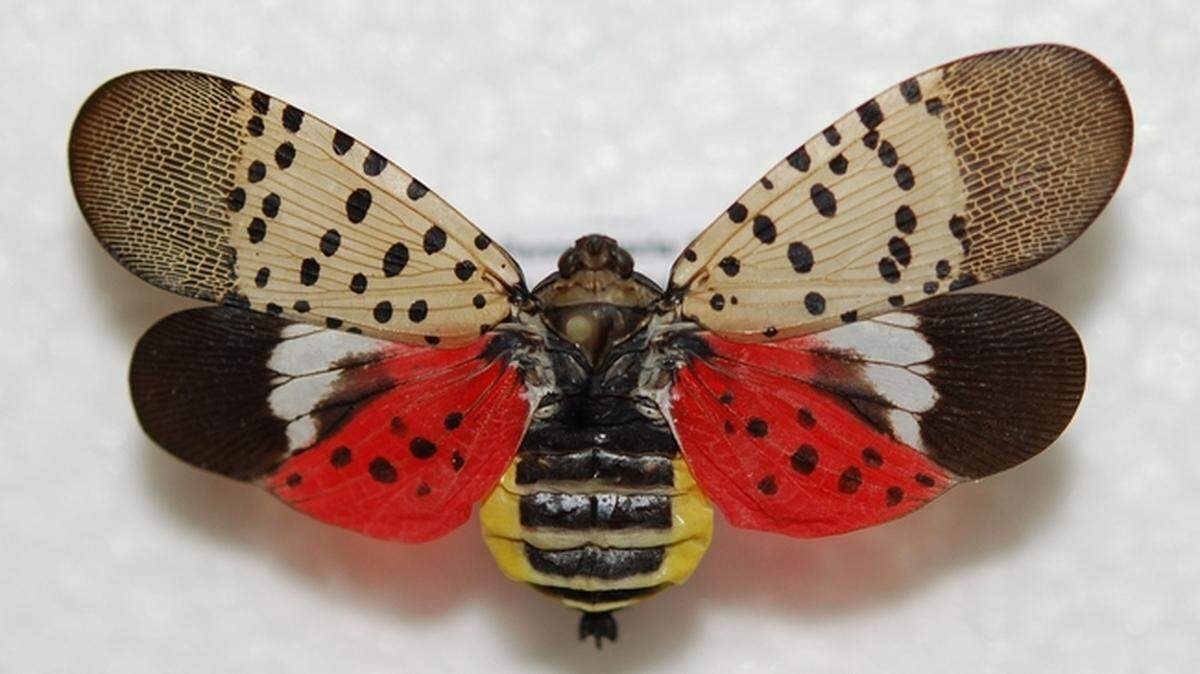
An invasive fly recently found in South Carolina won’t hurt you but it could plow through your hardwood and stone fruit trees.
Clemson University’s Department of Plant Industry says the spotted lanternfly has been found in Greenville and Seneca and describes it as a “significant threat.”
Originally from Asia, scientists believe it came to the United States on imported goods and was first seen in Pennsylvania in 2014.
It’s been found in 18 states since, including North Carolina, Tennessee and Georgia.
The insect is also found on grape vines and its favorite host is the tree of heaven, Clemson said. It excretes a sticky, sugary fluid while eating that causes sooty mold, further damaging plants, Clemson said.
The spotted lanternfly lays eggs (40-50 at a time) on nearly any stationary surface, making it easy for them to hitchhike to new areas unnoticed, Clemson said. They have a rotten smell.
“Spotted lanternfly being found in South Carolina is somewhat inevitable considering it has been found up and down the East Coast and in our neighboring states,” said David Coyle, associate professor and state Extension specialist in Clemson’s Department of Forestry and Environmental Conservation. “As with so many other invasive insects and plant diseases, once it arrived from overseas, it has been hitching a ride on vehicles, shipping containers, pallets and other means. This is why we are urging people to inspect vehicles and cargo.”
Juvenile spotted lanternflies are black with white spots and turn red as they develop. Adults, roughly 1-inch long and 1/2-inch wide, have a yellow, black-barred abdomen.
“They’re easiest to spot at dusk or at night as they migrate up and down the trunk of a plant, The United States Department of Agriculture states. “During the day, they tend to cluster near the base or canopy of a plant, making them more difficult to see.”
Clemson asks people to report sightings to www.clemson.edu/invasives.
This story was originally published July 12, 2025 at 6:00 AM.