Ants invade SC homes every summer and some chew through wood. Here’s how to keep them out
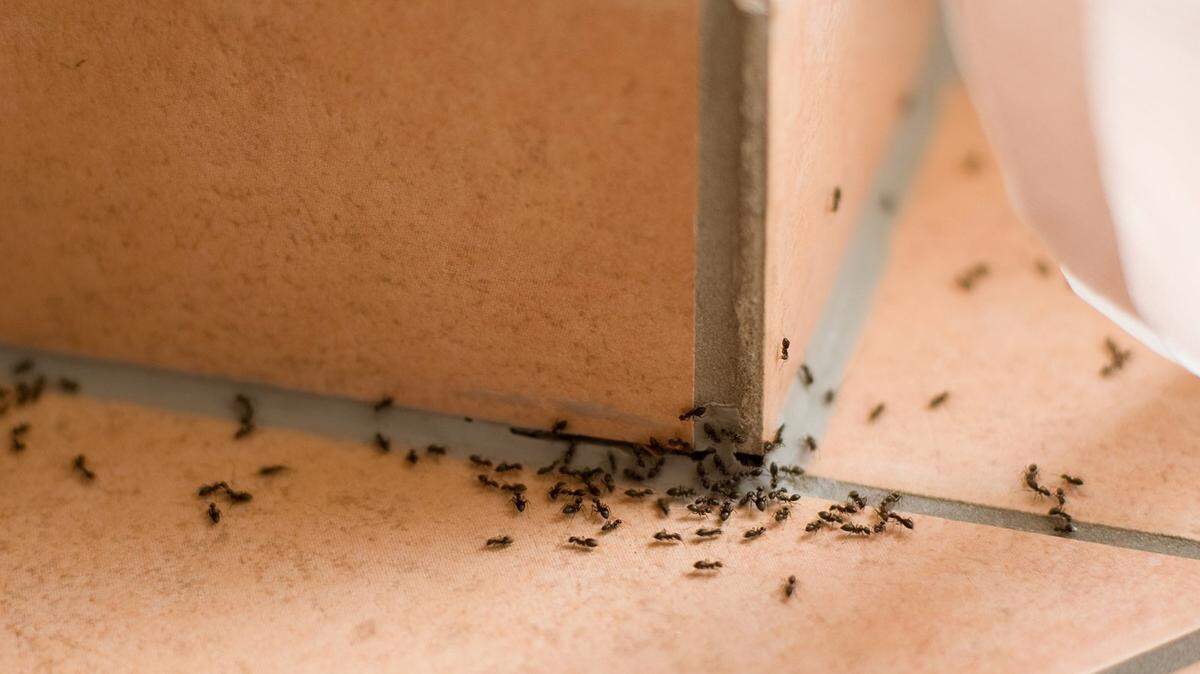
As summer temperatures rise across South Carolina, so does activity from one of the season’s smallest and most persistent pests: ants.
Whether swarming your picnic table, creeping along kitchen counters or crawling through your walls, ants are a common nuisance in South Carolina’s warm, humid climate.
With species out and about at once and peak season underway, here’s what to know about these insects, how to keep your home pest-free free and ways to avoid bites this summer.
Common ants in South Carolina
Four different kinds of ants are common across South Carolina. These include:
These large black or black-and-red ants can grow to almost half an inch long and are one of the most common ant species in the state. These kinds of ants are known to chew through wood to make their nests, potentially causing structural damage to homes. Carpenter ants are attracted to moist wood, so leaky pipes, damp basements and rotting wood make ideal homes. Carpenter ants are most commonly found in walls and woodwork.
Also known as sugar ants, pavement ants are smaller in size and are dark brown to black in color. These ants are often spotted around sidewalks, patios and kitchens, as they are drawn to left-out food.
First introduced to the state in the 1960s, fire ants are a familiar and feared presence across South Carolina. Fire ants are a reddish-brown color and have a darker abdomen. They can be aggressive and deliver painful stings. Fire ants are known to attack in groups and typically nest in soil. They are especially active in sunny areas like lawns and playgrounds.
Argentine ants inhabit many states in the southern U.S. They are light to dark brown and have a musty smell when crushed. Argentine ants are relentless invaders and while they don’t have stingers, they will bite when provoked. Known for forming massive colonies, they’re drawn to a variety of foods and can nest in a wide range of environments.
Why ants are a problem in the summer
Ants get especially active in the summer as their colonies grow and food becomes more essential. Heavy rains can flush them out of underground nests, sending them indoors in search of dry shelter and steady food supplies.
Once inside, ants can cause a handful of problems, according to Island Pest Control:
Food contamination: Ants can get into pantry items, forcing you to throw out food and replace items.
Germ spread: Ants often crawl through unsanitary areas and bring bacteria into kitchens and other communal areas of the home.
Fire hazards: Some ants, like carpenter ants, can damage electrical wiring inside walls.
Structural damage: Large infestations of carpenter ants can compromise the integrity of wood beams and structures.
Painful stings: Fire ants, along with other ant bites, are dangerous for pets and people due to their aggressive stings, which can cause serious allergic reactions.
Prevention tips for Lowcountry homes
Here are some tips and tricks from Island Pest Control to keep these pesky insects out of your home:
Close cracks around windows, doors and foundations.
Repair torn window screens and replace worn weather stripping.
Trim back trees and shrubs touching your home.
Remove decaying wood and stumps that attract carpenter ants.
Keep mulch and vegetation at least a foot away from your home’s exterior.
Wipe down counters and sweep floors daily.
Store food in airtight containers.
Rinse containers before recycling and don’t leave dirty dishes overnight.
Fix leaky pipes and faucets.
Clean pet food bowls and avoid leaving pet food out.
Removal methods
If ants have already moved in, these are some effective treatment methods:
Baits: Ant baits containing slow-acting poisons like boric acid are highly effective and foraging ants bring the poison back to the colony, eventually killing the queen. Sweet baits like boric acid and protein baits attract pavement ants.
Gel baits work well in small crevices indoors.
Granular baits can be applied outdoors near ant trails.
Pesticides: If the ants are already in your wood or walls, you can drill small holes in the wood, then inject a dust or aerosol insecticide. An outside treatment with insecticide spray can be used if the ants are still coming into the home from the outside, such as spraying around your home or by using insecticide sprays directly on the nests.
Essential oils: Peppermint, tea tree, lavender and lemon essential oils can help repel ants temporarily, especially around windows and baseboards.
This story was originally published July 24, 2025 at 6:00 AM with the headline "Ants invade SC homes every summer and some chew through wood. Here’s how to keep them out."