
Prepare for an extra hour of sleep soon SC. But didn’t Congress and Trump end daylight savings?
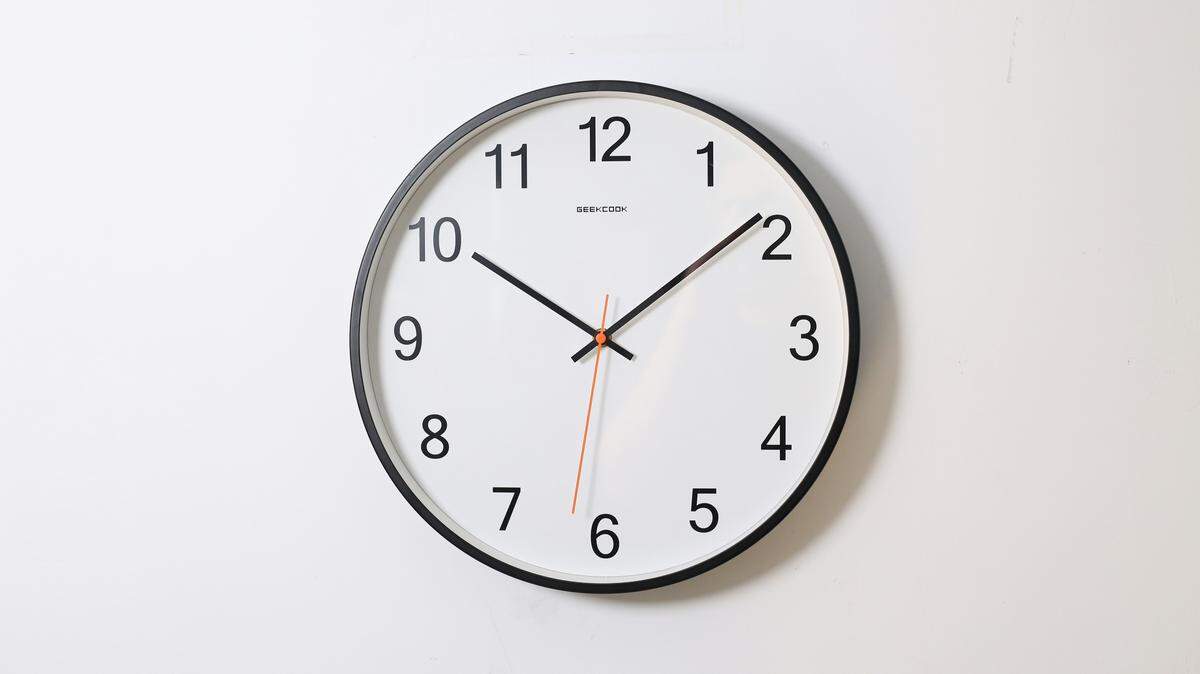
Love it or hate it, daylight saving time is ending soon.
The good news is you get an extra hour of sleep on Nov. 2, when the change officially takes place. The bad news is it will be dark for many when they get off of work.
In all 20 states, including South Carolina, have passed legislation to make daylight saving time permanent, but Congress has not signed on.
President Donald Trump, though, has said he thinks daylight saving time should be eliminated. Likewise, he needs to get the approval of Congress.
The American Academy of Sleep Medicine says switching to daylight saving time messes with human circadian biology and causes accidents and health problems. They say standard time should be permanent.
Daylight saving time began this year on March 9 and will again be the time of the land beginning Sunday, March 8, 2026.
This is not a debate that’s going away until Congress acts. The National Conference of State Legislatures reported more than 700 bills and resolutions have been proposed in recent years to make daylight saving time year-round
On the federal level, the Sunshine Protection Act was first proposed in 2018 and it and other versions have bounced around the House ever since. U.S. Rep Ralph Norman of South Carolina introduced a bill in 2023 and a 2025 version is now pending in the House and Senate.
The U.S. Senate passed a version of the bill in 2021.
Hawaii and Arizona (except for the Navajo Nation) are the only states that do not observe daylight saving time.
Time changes are common in most European and North American countries, as well as in parts of South America, Australia, and in New Zealand.
British/New Zealand entomologist and astronomer George Vernon Hudson is generally credited with proposing the idea in 1898. To save resources during World War I, the German Empire and Austria-Hungary introduced daylight saving time in 1916. The U.S. joined in 1918, calling it war time, and at the same time implemented time zones.
It was repealed after World War I and brought back in 1942, in the midst of World War II, then repealed after the war in 1945.
The current iteration came about with the passage of the Uniform Time Act of 1966.
This story was originally published October 24, 2025 at 6:00 AM.