
Not all SC ticks go away just because it gets cold in winter. Here’s what to know
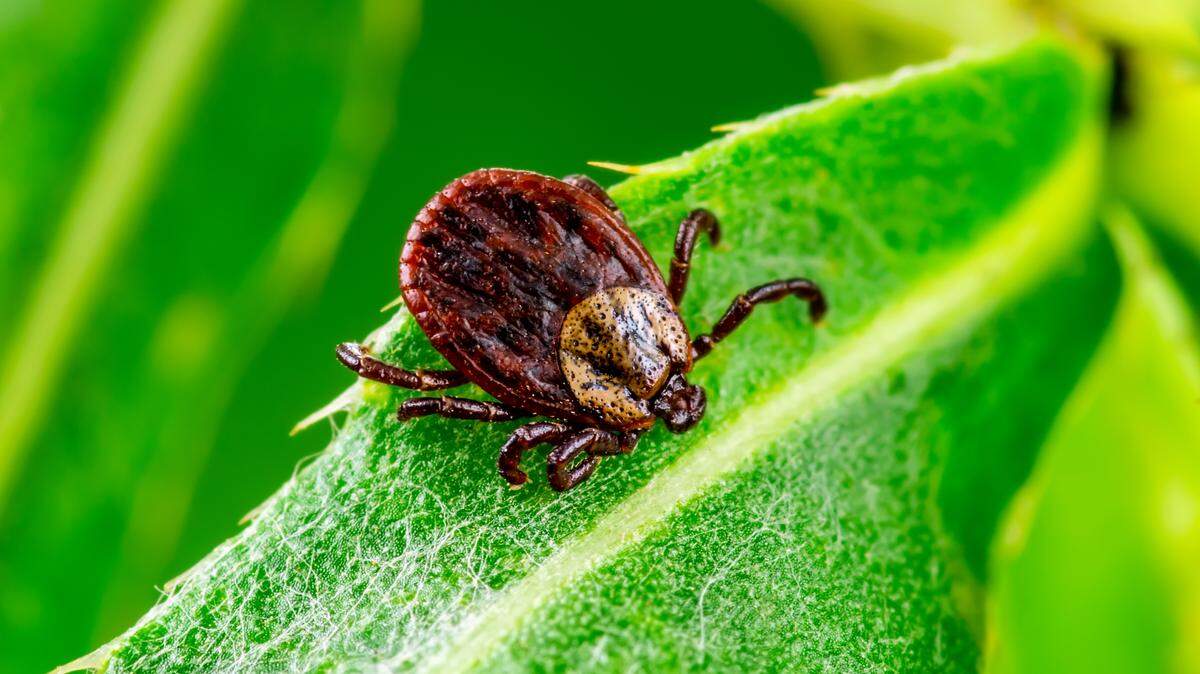
Just because it’s cold doesn’t mean ticks are no longer a problem.
The creature recently named pest of the year by the National Pest Management Association is still skittering around South Carolina, possibly spreading disease.
Melissa S. Nolan, director of the University of South Carolina Institute for Infectious Disease Translational Research, said the state has nine tick species, and at least one species is active at any point in the year.
She said the Lyme disease tick is the most active species in the winter.
Nolan also runs the state’s tick monitoring program.
The Lowcountry has the most ticks, but they are found across the state, she said.
She said about 3% of the state’s population has been infected with a tick-born disease.
The invasive Asian longhorned tick has become a problem in the Upstate, especially on cattle ranches.
She referred to a study that showed 75% of all vector-borne diseases, those caused by blood-sucking creatures, were caused by ticks.
“The increase in incidence has been linked with increased exposure among outdoor workers, thus becoming occupational hazards,” the report said.
The SC State Parks, SC Department of Natural Resources, SC Forestry Commission, and SC animal shelter and veterinary office employees took part in a study to see whether they had come ill. Veterinary-related employees had the lowest risk; forestry the highest.
Ticks are generally found near the ground in forests and in areas with brush or tall grass and weeds, the SC Department of Public Health said.
They can’t jump, They can’t fly.
Dr. Chris Evans, state Public Health Entomologist, said Asian longhorned tick populations increase rapidly — one female can produce 1,000 to 2,000 eggs at a time without mating.
And their tiny light brown bodies are hard to see.
The most common tick in South Carolina is the lonestar tick, which can cause red meat allergy, ehrlichiosis (upset stomach, headache, muscle aches, fever) and Southern Tick-Associated Rash Illness.
Others include the black-legged tick, which can transmit Lyme disease, tick-borne relapsing fever, and anaplasmosis (same symptoms as the lonestar tick) and the Gulf Coast tick that can cause Rickettsia parkeri.
Also in South Carolina are the American dog tick and brown dog tick, both of which can transmit Rocky Mountain Spotted Fever.
The National Pest Management Association said Centers for Disease Control data shows emergency room visits due to tick bites hit a five-year high.
“Many people don’t realize how quickly a tick bite can turn serious,” the association said in a news release. “Just last month the first death was attributed to alpha-gal syndrome which is spread by ticks.”
That was a 47-year-old New Jersey man who developed a tick-borne red meat allergy and suffered fatal anaphylaxis after eating a hamburger. He had been bitten by a lone star tick.
Health officials recommend using insect repellents and treating clothing and gear.
Tuck in clothing around the ankles and waist.
Shower with soap and shampoo soon after being outdoors. Check for ticks every day.
The National Pest Management Association also deemed the buzziest pest in their year-end roundup — bed bugs, which had the most engagement on @PestWorld social media channels
The Buzziest Cities were Chicago, New York, and Atlanta.
This story was originally published December 16, 2025 at 6:00 AM.