
It’s peak wildfire season in SC. Here’s what’s happening, how to track fires in the state
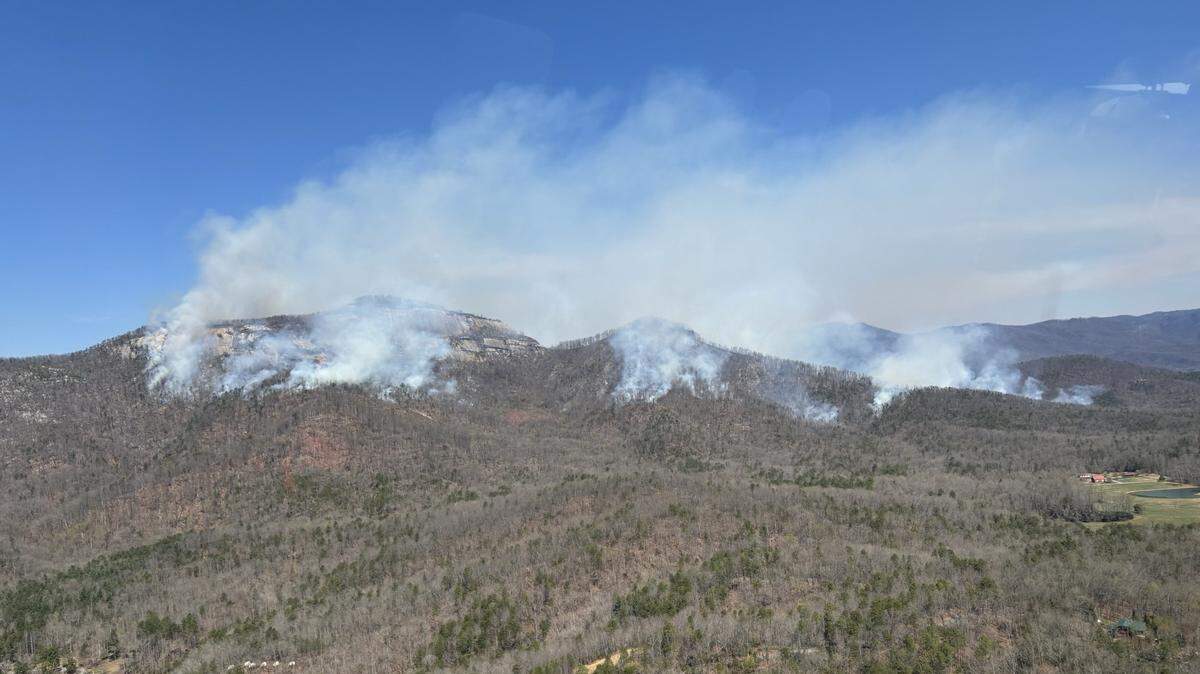
Spring is right around the corner, meaning warmer weather and sunnier days are ahead. It also means firefighters are likely to be at their busiest.
Forest fire danger is usually at its highest during late winter and early spring because most vegetation is dead or dormant during this time, and humidity levels are at their lowest, according to the South Carolina Forest Commission.
And right now we’re at the height of wildfire season in SC.
Despite drought conditions that were affecting the state earlier in February, which heightened wildfire risk, SC has had fewer wildfires so far in 2026 than last year, according to Douglas Wood, the SCFC’s Director of Communications.
“We’ve seen our wildfire numbers way down since last year,” he said. “For instance, we had 100 fires in one day. I don’t think we’re anywhere close to that.”
Recent rain has mitigated wildfire risk for the near future, but a change in weather is all it takes to make conditions worse, Wood said.
“We have a much less active fire season this year, which, of course, is fortunate,” Wood said. “But our fire season lasts until mid-April, so we still have a ways to go.”
Between March 2 and March 3, there were 278 fire alerts reported in SC, according to the Global Forest Watch. While that sounds like a lot, this is a normal number compared to previous years going back to 2012.
The SCFC uses the Keetch-Byram Drought Index to determine wildfire risk across the state.
As of Wednesday, parts of Charleston, Colleton and Hampton counties have KBDI levels higher than 200, which means those areas have a moderate risk of wildfire. The lower parts of Beaufort and Jasper counties have KBDI levels higher than 400, which poses a high wildfire risk.
A main reason why there have been fewer fires is due to protective measures from the SCFC.
Controlled burns by the agency effectively prevent wildfires by burning dead vegetation that could be used as fuel for forest fires.
“There are so many benefits of prescribed burning,” said Darryl Jones, the SCFC Protection Chief. “Not only does it reduce the severity of wildfires, but it also recycles nutrients, stimulates germination of desirable plants, improves wildlife habitat and protects the aesthetic value of our forestlands.”
You can keep track of all active prescribed burnings in SC with this interactive map.
How to prepare for a wildfire
Wildfires are incredible threats to humans, but there are still ways to prepare yourself in case one appears near you.
The American Red Cross has a list of things you can do to be ready for a wildfire.
- Be ready to evacuate quickly: You have to leave your house quickly to stay safe. You should know where you will go, how you will get there and where you will stay before a wildfire occurs. Having escape routes from your home and community is key.
- Gather emergency supplies: Water, food and medicine should be bought in advance because stores or pharmacies might be closed. Organize your supplies into a kit you can easily carry with you and a stay-at-home kit that has two weeks of supplies in case you need to stay sheltered in place.
- Plan to stay connected: During a wildfire, the most important information will come from your local government officials. You should sign up for free emergency alerts from your local government, such as the City of Columbia.
- Learn emergency skills: Learn first aid and CPR. Utilities may be offline, so you should be prepared to live without power for a short time.