
Beachfront dream, billionaire budget: Flood insurance pricing SC buyers from paradise
Tracy Barber moved to Pawleys Island six years ago for its community appeal and coastal charm.
His current home, where he’s lived for the last three years, sits on the west side of the marsh in a high-risk flood zone.
The home built in 1976 never had a history of flooding. He expected to pay for flood insurance as required by his mortgage company, but he didn’t anticipate it to eat away at the money he had set aside for home improvements.
Since 2023, his annual insurance rate has more than doubled. He now pays $2,650 a year in private flood insurance, although he hasn’t had any flooding issues or claims. He switched agencies this year to avoid a jump to a $3,350 premium, but he’s still shoveling out more than last year.
Like many who long to have a home along the beach, Barber has no choice but to pay the spiking premiums if he wants to stay in his house. But what many homeowners find is that “it’s not sustainable,” Barber said.
Flood insurance has increasingly become a luxury for coastal residents.
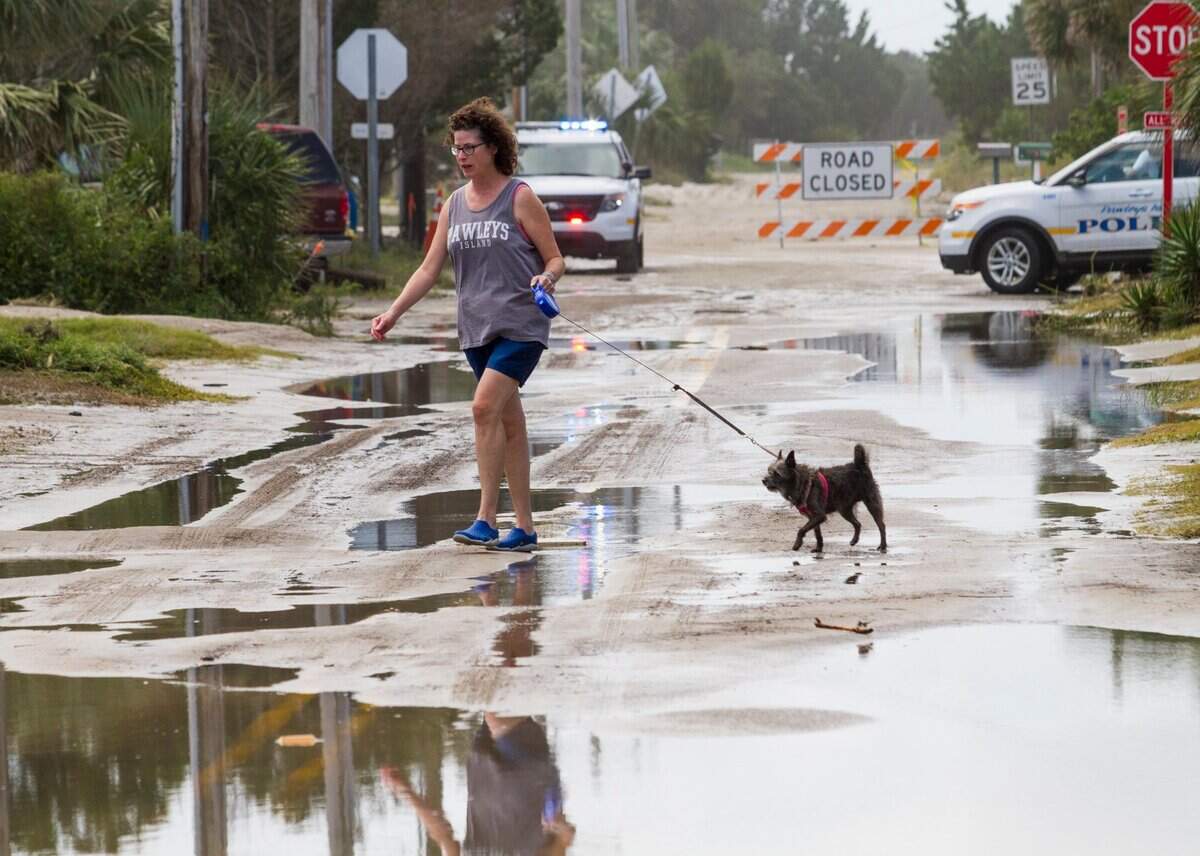
South Carolina cities have some of the highest insurance rates along the southern Atlantic coast.
As researchers continue to warn about increased severe weather events, insurance companies are raising rates to better reflect the risk. This leaves coastal home buyers deciding whether to rack up thousands of dollars in insurance premiums or risk losing their dream home by foregoing protection.
And with more and more people continuing to move to areas like Myrtle Beach and Hilton Head to bask in the slow-pace of beach town living, it often comes as a shock that flood insurance is not included in traditional homeowner’s insurance.
Residents ultimately have to weigh the costs of having a coastal lifestyle.
Are coastal residents dropping their flood insurance?
Shari Mendrick, Hilton Head Island’s floodplain administrator, has dealt with several clients who have dropped flood insurance coverage over the years.
Hilton Head’s legacy flood maps from 1986 showed 75% of the island was in a high-risk flood zone. In 2021 when FEMA redrew the maps, the land area located in a high-risk zone plummeted to only 25%.
Mendrick asked what had changed and how she was supposed to convince residents to keep their policies, but she was left with no concrete answer.
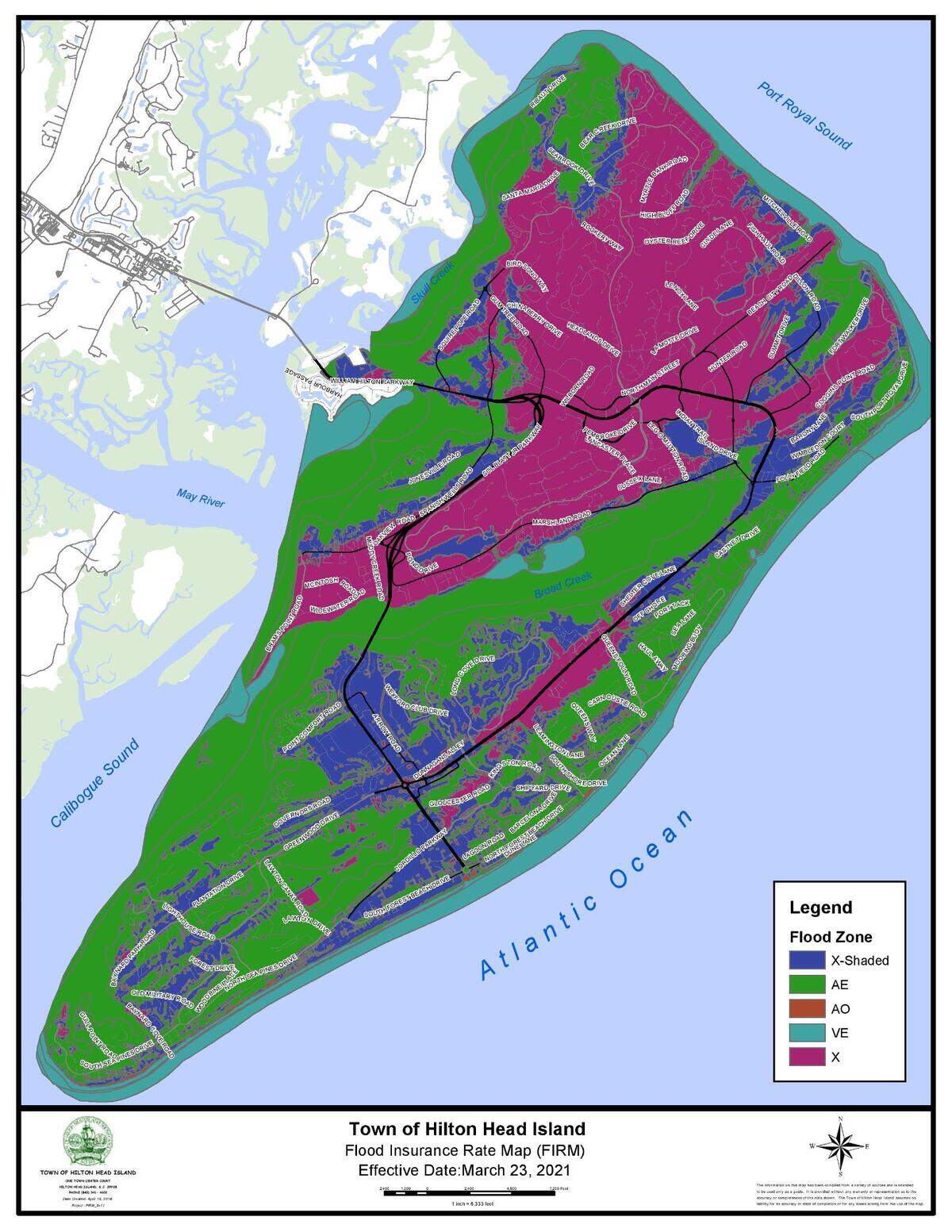
The island had roughly 23,700 National Flood Insurance Program policies in force in April 2024, and roughly two-thirds were in high risk zones. As of February 2026, Hilton Head had lost over 2,000 policies, but high-risk policies still made up roughly two-thirds, meaning the drop didn’t solely come from low-risk areas.
Between 2024 and 2025, Beaufort County, not including Hilton Head, lost about 950 NFIP policies, according to SC Department of Insurance. Georgetown County lost about 300, and Charleston and Horry counties lost nearly 1,300 each. Private insurance uptake could account for some of the losses, but not all.
Specific policy data for coastal municipalities from 2024 was unavailable at the time of publication due to the government’s partial shutdown affecting FEMA’s ability to respond to requests.
Hilton Head has a number of retirees living on Social Security or a fixed-income, Mendrick said. They came here to live a peaceful and quiet life.
“Two-thousand to $2,500 is a pretty big expense, and a lot of people have dropped their flood insurance,” she said. “It’s kind of scary.”
Candy Christiansen and her husband, who own a vacation home in Palmetto Dunes on Hilton Head Island, originally planned to purchase an oceanfront property. When they used to visit they would always stay on Ocean Lane, and they dreamed of one day owning their own place there. They planned to pay in cash, but their Realtor gave them a realistic idea of how much they would owe for years to come.
It wasn’t the price of the villa that deterred them from buying, but the drastic cost of insurance that surprised them. Their Realtor told them it would have equaled close to $1,600 a month in just flood insurance, she said.
“It’s essentially another mortgage payment,” Christiansen said.
They chose a home outside a flood zone, because they did not want to incur other expenses that they didn’t think would pay off, especially since they wouldn’t live there the whole year.
But insurance agents and Realtors have argued that floods can happen anywhere, regardless of flood zone. According to FEMA, in the last 10 years nearly a third of claims came from outside a high-risk zone.
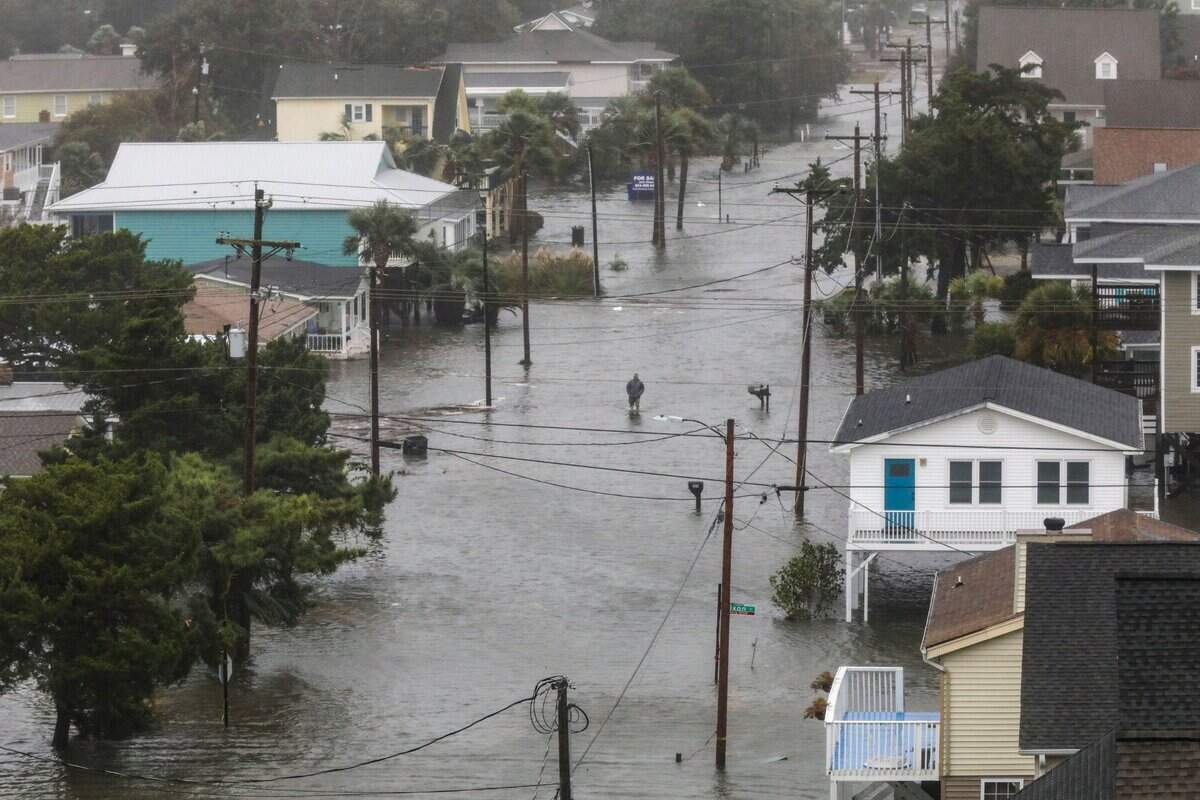
What does flood insurance cover, and why have premiums increased?
Flood insurance is required for homes in a Special Hazard Flood Area (A & V zones) with a federally-backed mortgage.
The NFIP, operated by FEMA, has historically offered government subsidized flood insurance policies for property owners, renters and businesses aiming to reduce the financial risk of flooding by requiring strict floodplain management standards.
The NFIP covers up to $250,000 for the structural damage and $100,000 for contents. Private flood insurance, a fairly new option in comparison to the 1968 inception of the NFIP, typically offers more coverage and different pricing options for owners who want more protection than a standard policy.
Flood insurance premiums used to be based on what flood zone a home was located in and the elevation of the property. Until 2021, homes in the same type of flood zone paid similar premiums because specific characteristics like types of flooding, flood frequency and distance to a water source were not considered. Since then, FEMA has assessed homes based on a new model, called Risk Rating 2.0.
The NFIP owed $22.5 billion to the Treasury as of Dec. 31, 2025, meaning the program paid out more in claims than it was receiving in policy premiums. Risk Rating 2.0 attempts to match premium to risk.
“Previously, some policyholders with lower-value homes paid more than their actual risk warranted, while those with higher-value homes often paid less,” a FEMA spokesperson said. “While some policyholders experienced premium increases, hundreds of thousands of single-family homeowners are now paying less than they did under the legacy system.”
In 2024, South Carolina had 198,232 NFIP policies with an average annual premium of $695. In 2025, the number of policies fell to 193,541, but the average premium jumped to $743, according to annual reports from the SC Department of Insurance. South Carolina has a cheaper state average than surrounding coastal states that have attracted residents. But according to FEMA data of cities with more than 10 polices in force, the top four out of five highest average southern Atlantic coastal payments were in South Carolina, excluding Florida.
FEMA data indicated the average annual payment in Pawleys Island was $4,199 in 2025, the highest coastal average in the state. Georgetown was $2,078, Surfside Beach was $1,216, Beaufort was $1,142 and Hilton Head Island was $913. The data does not factor rates from private insurers.
NFIP policies in force prior to 2021, when Risk Rating 2.0 began, are on a glide path. For policy rates that increased, premiums will continue climbing up to 18% to 25% a year until they reach their full, risk-based rate.
Lisa Sherrard, an agent for Choice Flood Insurance, said a homeowner with a current $2,000 premium with a $10,000 statutory discount could at some point pay up to $18,000 a year because of the gradual increases. Post-RR2.0 policies that are already at their full risk-rate are still going to increase up to 18% a year to adjust for inflation, she said.
“If this is your forever home, you need to look at what the cost of flood insurance is going to be,” she said.
Private flood insurers do not have a cap on price increases and can raise prices as they see fit. Sherrard said some policyholders switch back to the NFIP after realizing the frequent jumps. She has also seen policyholders cancel their flood insurance after paying their mortgage to shake the extra cost, but she worries those policyholders don’t fully understand the risk.
Residents are paying the price (literally) of living in coastal flood zones
Mary Etta Williams of Garden City owns her home and is not required to carry flood insurance, but she has experienced four floods in the last 11 years. Her NFIP policy has increased to a whopping $6,150 annual premium.
She has remodeled the first floor of her home to reduce flood damage. She even began storing her furniture off the property during certain months of the year, but since doing so she hasn’t had a flood.
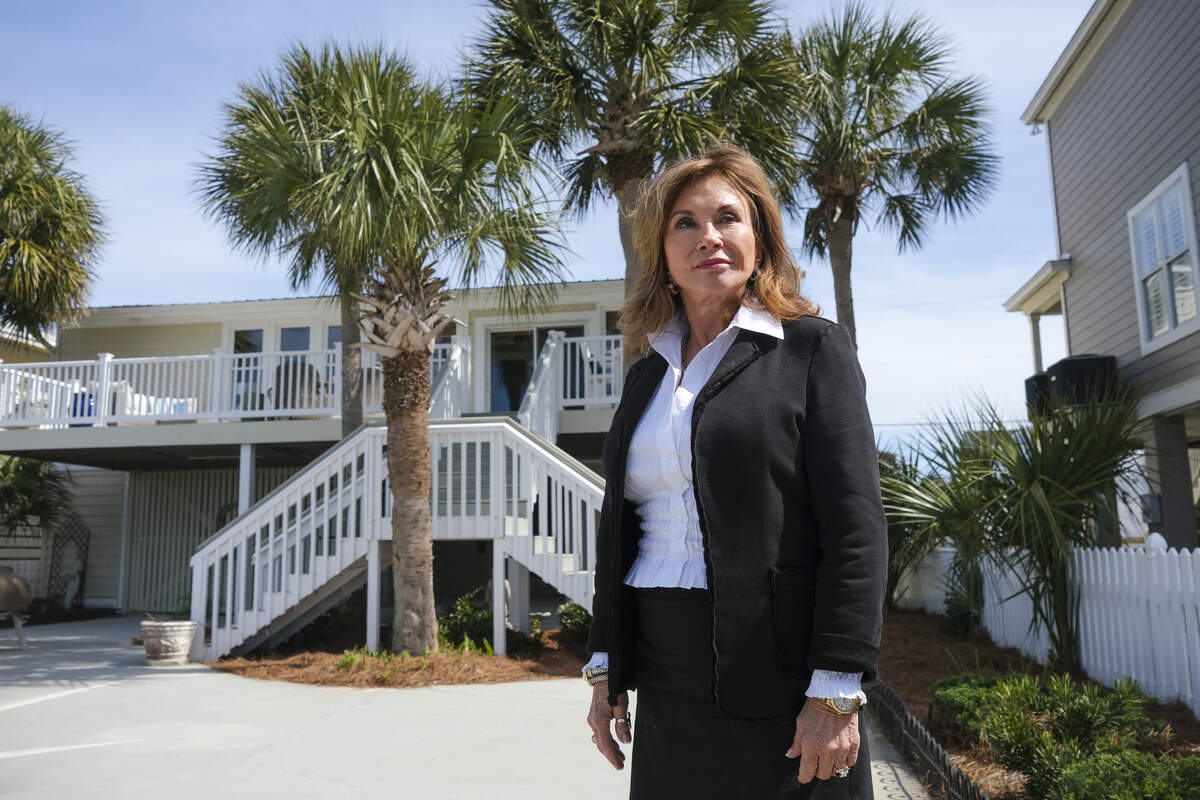
Her options to avoid the high price have dwindled down to cancelling her policy and risking costlier flood damage, or moving off the inlet.
“I don’t want to do that,” she said. “It’s worth the gamble.”
But other residents who haven’t experienced flooding are frustrated by the continually increasing premiums.
In Surfside Beach, Michael Peterson said he would cancel his flood insurance policy if he wasn’t paying a mortgage. His policy has almost doubled since he moved there five years ago.
While his premium is not as high as others’, now just under $1,000, he is retired and living on a fixed-income.
“It slowly eats away at you,” he said.
He said even if he did have flood damage, he wouldn’t file a claim unless it was catastrophic to avoid paying even higher premiums. Regardless, he understands that he either pays for the policy, whatever it may end up costing, or he can’t live there anymore without owning the home.
What is the coast’s true flood risk?
While FEMA maps and flood insurance rely on historical data to determine risk, First Street considers the impacts of climate change in its analyses. First Street Flood Model assesses flood risk across the country at a property level and does not determine risk solely by flood zone.
Communities like Cherry Grove Beach, Pawleys Island, Debordieu Colony, Charleston, Harbor Island and Fripp Island, among others along the coast, face an extreme (highest) risk of flooding over the next 30 years, according to First Street.
North Myrtle Beach, Surfside Beach, Murrells Inlet and Port Royal face major or severe risk.
Nearly 150,000 properties within Horry, Georgetown, Charleston and Beaufort counties have a major, severe or extreme risk of flooding. Only 100,000 are mapped in A and V flood zones, which prompt flood insurance coverage with a mortgage.
Both Georgetown and Charleston counties face a severe risk, Beaufort County a major risk and Horry County a moderate risk.
Across the four counties, over 200,000 properties are at risk of flooding in the next 30 years — more than the number of FEMA flood insurance policies in the entire state.
During Hurricane Florence in 2018, nearly 26,000 properties were impacted by flooding in the four counties. Hurricane Matthew damaged more than 27,500 properties in 2016.
According to South Carolina’s resilience and risk reduction plan completed in 2023, the low-lying nature of the state’s coastlines makes them more prone to compound flooding, or a combination of extreme tides, storm surge, heavy rainfall or riverine flooding.
In these areas, major damage is often associated with high tide flooding, which has increased in the U.S. by about 50% in the last 20 years, according to the state’s plan.
How are communities navigating increased flood risk?
There are some benefits already in place to help residents lower their NFIP insurance premiums.
Communities participating in the NFIP can qualify for flood insurance discounts through the Community Rating System, which reflect the area’s flood plain management practices that exceed minimum requirements.
Each community has a score of 1-10, with 1 having the highest discount and 10 having none. Horry and Beaufort counties have a score of 5, giving them an automatic discount of 25%. Georgetown County has a score of 7 (15%), and Charleston County has a score of 2 (40%).
Individual municipalities sometimes vary from the county. Surfside Beach’s score is 7, while Pawleys Island has a score of 5. Port Royal has a score of 9, meaning they only qualify for a 5% discount. CRS ratings are automatically applied to NFIP policies.
However, these discounts do not apply to private insurance policies. And some structures, those of higher value or subject to repetitive flooding, benefit from private insurance.
Barber said with the type of loan he had when he bought his home in Pawleys Island, he was required to shop in the private market.
Barber recently refinanced his home to lower his monthly mortgage payment and adjust for the increasing insurance costs. He had always planned to re-mortgage since the interest rates were high when he bought the house, but he didn’t predict the demanding upkeep with flood insurance. He told his loan broker it had to work, or else he didn’t know if he could stay.
“It was pushing my budget to an uncomfortable level, so we were kind of at the breaking point,” he said. “Could insurance still continue to go up and three years from now, find myself right back where I was? Potentially, but I guess we’ll cross that bridge when we get there.
“I feel for people that have a tighter budget than I do, because I don’t see how their doing it frankly,” Barber said.
In some cases, private insurers can offer better premiums, typically in low-risk flood zones, but in other cases premiums grow to be unaffordable. It has left residents to decide what their budget can handle, and at some point, the only people who will be able to live on the coast are those who can pull the money together comfortably.
“I’d really like to stay,” Barber said. “I’d hate to feel that I was forced out by insurance.”
This story was originally published April 23, 2026 at 5:00 AM with the headline "Beachfront dream, billionaire budget: Flood insurance pricing SC buyers from paradise."