
This tiny invasive ant in SC packs a mean, possibly deadly, sting and could be hiding in your mulch
As spring unfolds, another invasive species could be hiding in the mulch in your South Carolina yard.
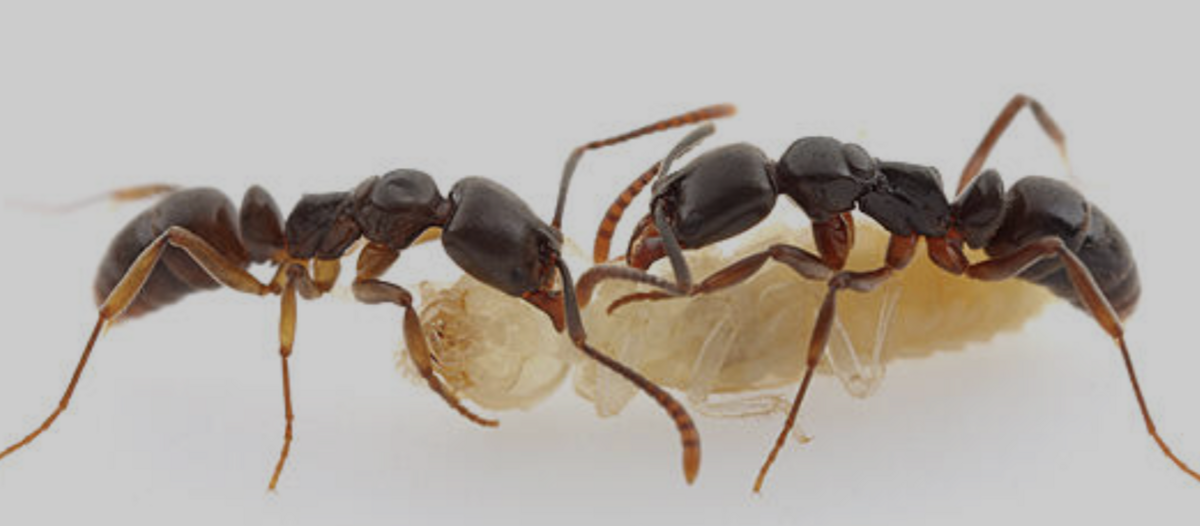
The Asian needle ant.
It packs a serious sting, sometimes life-threatening. It hides in logs. And it kills native ants, which are natural pest controllers, decomposers, and soil aerators.
U.S. Forest Service says needle ants are “beginning to cause problems in North America after being relatively unnoticed for many years.”
They are native to China, Japan, and North and South Korea and likely came to the U.S. in nursery stock or shipping materials.
They were first discovered in Decatur, Georgia, in 1932, and now they are in 22 states in the East and Midwest and Washington state.
“Unlike many invasive species that tend to colonize areas in the wake of natural or human disturbance, Asian needle ants are capable of invading undisturbed forest areas where they nest under and within logs and other debris, under stones, and in leaf litter,” the Forest Service said. “They can also occur near homes and businesses.”
They are small, shiny, dark brown to black, with the end of the antennae and the legs being a lighter orange-brown.
Clemson’s Home and Garden Information Center said in South Carolina, the ants are often found under mulch, landscape features such as railroad ties, ornamental stones, statuary and concrete pavers.
Their nests typically include 50 ants with closely arranged nest sites of 5,000 or more.
“When they are found in forest and urban habitats in Upstate South Carolina, it is a dominant species to the exclusion of many beneficial native ants commonly found in similar habitats,” Clemson said.
Worker ants are active beginning in March and continuing until late October. You’ll see swarmers from late May to September, with most swarming in July and August.
Scientists believe the colonies go underground to avoid cold weather.
“Perhaps the most troubling characteristic of Asian needle ants is their sting,” the Forest Service said. “While they are not terribly aggressive, like the more familiar red imported fire ants, their stings are painful, often affecting different people in different ways.”
The pain is described as intense and lasting for several hours. The pain radiates from the site of the sting and can cause hives.
In people who are allergic, they can be deadly if anaphylaxis develops.
A study showed 2.1 of people exhibited anaphylaxis.
Efforts to eradicate the species have failed.
Clemson suggests:
- Getting rid of mulch and other elements that attract them.
- Make sure screens fit because they will come in the house.
- Treat directly to a nest with insecticide.
- Baiting is recommended because these ants do not form foraging trails.
- “Unfortunately, as with many invasive species, it appears Asian needle ants are here to stay,” the Forest Service said.
- What to do if you’re stung.
- Wash the area with soap and water.
- Apply a cold compress to reduce swelling.
- Take an antihistamine like diphenhydramine (Benadryl) to ease itching or swelling.
Call 911 right away if you experience:
- Difficulty breathing
- Swelling of the face, lips, or throat
- Dizziness or fainting
- Rapid heartbeat
- Nausea or vomiting
- Hives or a widespread rash
- Use an epinephrine auto-injector (EpiPen) if you have one and are prescribed it for allergic reactions.
- Lie down and elevate your legs if you’re feeling faint, unless you’re having trouble breathing — in that case, sit upright to help with airflow.