
Bob Jones closed its art museum, sets eyes on new home for world-renowned collection
When the Museum and Gallery at Bob Jones University closed three years ago, it was thought the museum would reopen in its building on the Upstate college’s campus after an extensive renovation.
Instead, the museum remains closed, and the world-renown collection of religious art will not be shown in Greenville for many more years. The museum board has decided to move the museum off campus, near downtown, likely to an events center complex that’s still in the planning and fundraising stage.
Museum officials are not talking much about their fundraising or involvement in the events center project, but information on its website says the museum is working to raise $22.5 million for its share of the building and an endowment.
Erin Jones, director of the museum, said the artwork remains in circulation through loans to various galleries, including the Museum of the Bible in Washington, D.C., where more than 60 pieces were on display for a year.
“It’s a way to stay visible,” she said.
The monetary value of the collection assembled over four decades by Bob Jones Jr., son of the founder of the fundamentalist Christian university in Greenville and its long-time president and chancellor, has been speculated about for years — but the university is not saying how much it’s worth. Erin Jones, who is the granddaughter-in-law of Jones Jr., would only say it’s worth millions.
The museum’s value to Greenville is significant among arts lovers, said Greenville Mayor Knox White.
“It’s been tucked away on campus and hasn’t been able to reach its full potential,” White said.
He favors the museum being located in the conference center, which is a joint project of the city, Greenville County, the state and private interests.
Gathering a collection
Bob Jones Jr. was always interested in the arts and appeared in movies and theater productions staged on campus. He was a teenager when he bought his first piece of art — a Russian icon. His son, Bob Jones III, has said his father could have had a career in Hollywood but was called to preach alongside his father, evangelist Bob Jones Sr.
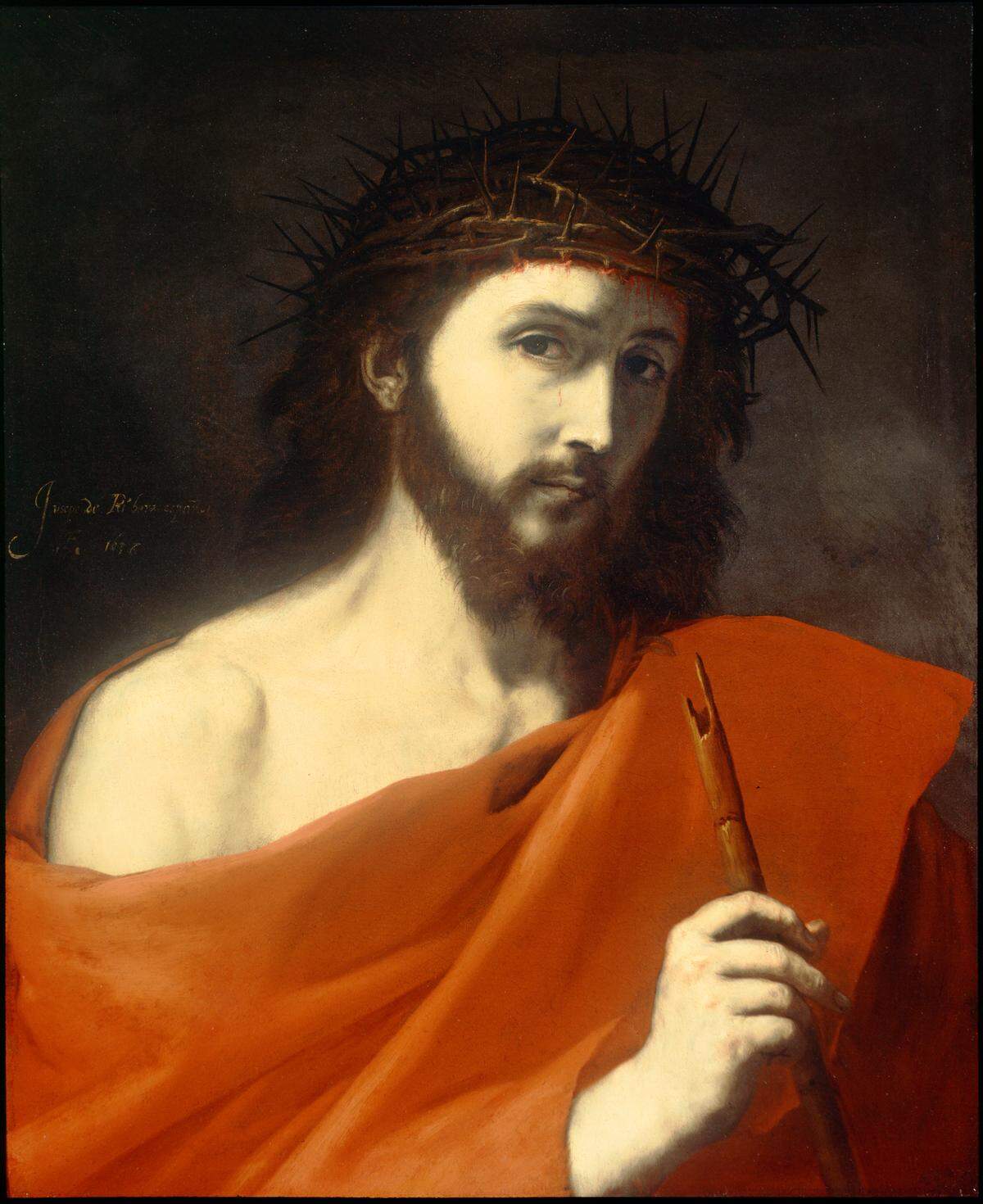
The story Jones Jr. often told was of searching through basements and attics in Europe for religious art from the 14th through 17th centuries. He said he was able to get good deals because Baroque art was not in vogue at the time. And he was a good bargainer.
He ended up with paintings by Rubens, Tintoretto and van Dyck, as well as an etching by Rembrandt and work from a follower of Michaelangelo.
The university’s first gallery opened with 30 paintings in two rooms in 1951. The museum moved into the former dining hall in 1965. By 1991, the museum owned more than 400 paintings.
But the former dining hall — one of the original campus buildings from the 1940s — was leaking and had other problems by 2017. A feasibility study said the museum would benefit from a new building. The museum board members briefly talked about moving out of Greenville to either the Midwest or Northeast region of the country, but then they heard about the event center closer to home.
The event center
Mayor White has pushed for some sort of convention center downtown for years. The city’s TD Convention Center is several miles from downtown, and there are few hotels in the vicinity, restricting the number of events interested in coming to the city. The proposal, though, is not for a large-scale convention center, but an event center with an attached hotel and galleries not only for the Bob Jones museum but also a satellite facility for the Greenville County Museum of Art.
The River Street site is the last large tract in the city beside the Reedy River, a few blocks from Main Street. There are a series of asphalt parking lots on the 6.5 acres now.
Developers Bo Aughtry and Bob Hughes own the land and would donate it for the project. At some point they would also build a hotel, offices and residences on the remaining property. Hughes is well known for developing several major buildings that factored into the much-celebrated revitalization of Greenville’s Main Street, as well as the developing force behind the BullStreet District that’s underway in the state’s capital city, which is has been hailed as one of the largest commercial construction projects on the East Coast.
Aughtry said the new event center and museums would complement each other, drawing visitors to each entity. Clemson University did an economic impact study and predicted the facility would draw 100,000 visitors annually.
The city and county have pledged $26 million apiece, and the state handed over $7 million last year with an additional $19 million expected before COVID-19 stymied tax revenues for all governments. Aughtry estimated it looks like a project for 2024.
The Bob Jones museum’s involvement came about because Hughes’ wife is a member of the museum board, Aughtry said.
“We reached out to them,” he said. “There is not another such venue like this in the world.” .
Museum education
Erin Jones said the museum has spent the past three years augmenting its outreach to schools and considering loan applications from other galleries. Once, paintings and artifacts filled 32 galleries inside the museum, she said. Now there are two.
The rest of the artwork is either on loan or in storage. The Georgia Museum of Art has some pieces now, and other works have gone to the Louvre in Paris and the Uffizi in Florence, Italy.
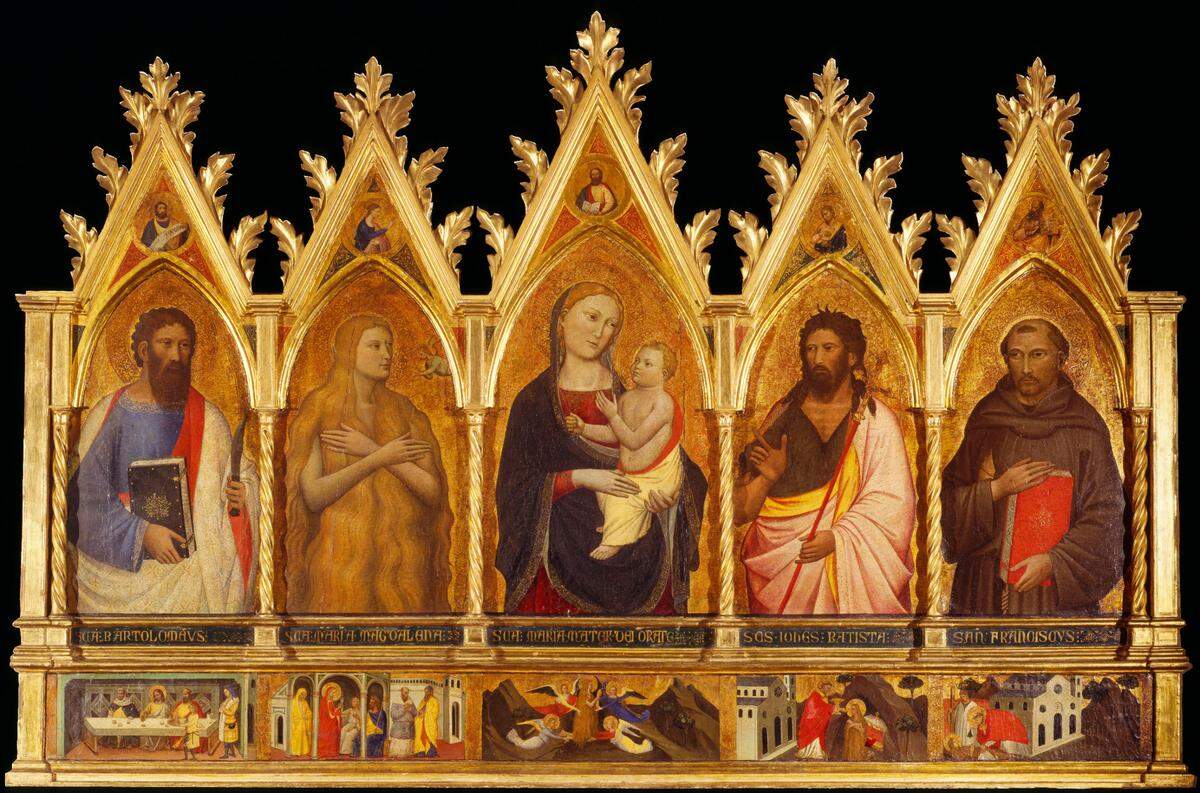
Jones said such loans bring attention to the collection and to Greenville and South Carolina.
Since COVID-19 shut down the educational outreach to schools, museum staffers have added virtual lessons to the website.
There is also a virtual tour of the museum as it was and a video on the life of Bob Jones Jr.
Erin Jones said the collecting has not stopped. A bequest from one of Jones Jr.’s friends earlier this year allowed the museum to buy two pieces, a chest from the 17th century for storing keepsakes and an ivory carving from the 14th century.
Erin Jones took over leadership of the museum after Jones Jr. died in 1997. It’s been her mission to advance the work he started and to retire the oft-repeated description of the museum as a “hidden gem.”
“Even though we don’t have public hours for people to visit, we’re still at work,” she said.
This story was originally published December 10, 2020 at 8:33 AM.