
We’re refugees and SC business owners. The nation’s undocumented workers need your support
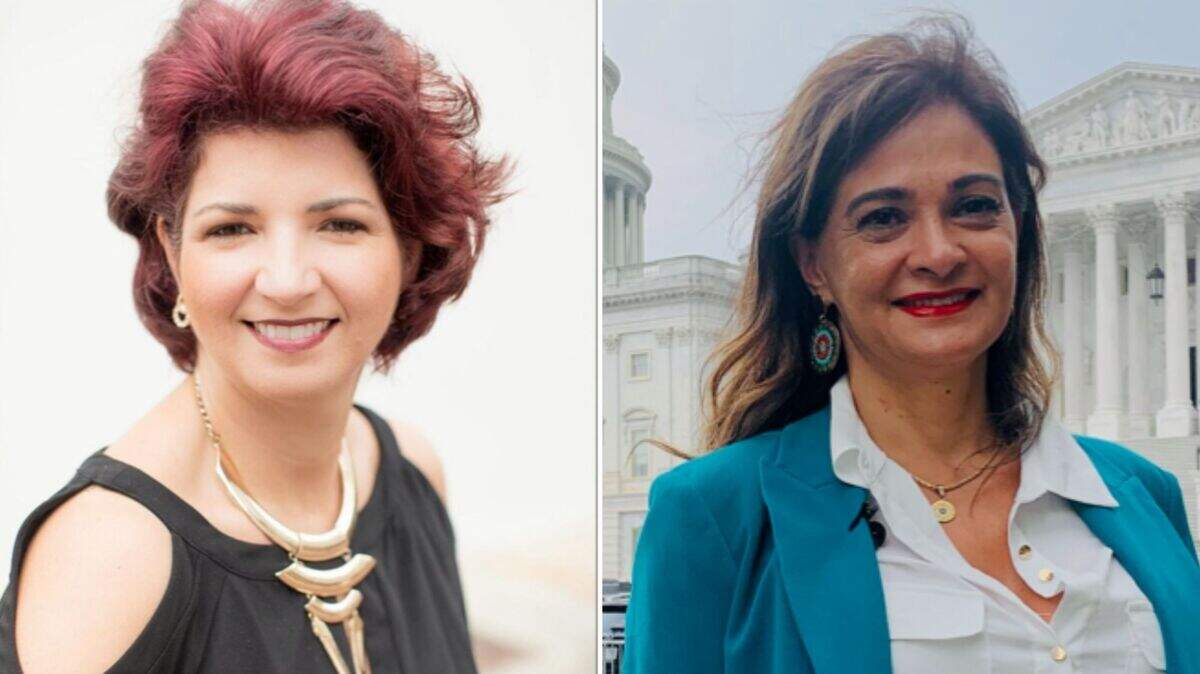
We both came to South Carolina as refugees from two different oppressive socialist regimes: one from Cuba, one from Venezuela. We were both born and raised by families who arrived here the most fervent believers in the dream promised by America: that in a free market, with enough hard work and determination, anyone can make an amazing life for themselves and contribute to our economy.
It doesn’t promise they will; but it promises they can.
We are both also small business owners – one with a restaurant that survived the pandemic, the other with an accounting firm – who have committed to our communities and take pride in the jobs we’ve created and the contributions we’ve made to South Carolina’s economy.
But, refugees don’t get here by accident, and, today more than 400,000 foreign nationals from 10 countries selected by Congress reside in the US under a policy called Temporary Protected Status (TPS). For these refugees, including more than 320,000 eligible Venezuelans fleeing socialist oppression, returning home means certain death.
The average TPS recipient has been in the US for 18 years. In North and South Carolina, where more than 18,600 TPS recipients live, these immigrants have bought homes, raised American-born children, and have made themselves a critical part of South Carolina’s workforce and economy.
But being their status is temporary, they have no pathway to permanent citizenship, which means, on average, TPS recipients have lived nearly 20 years under the constant threat of deportation.
And others are in the same situation. There are 1.8 million undocumented workers upon whom America’s economy depends everyday. Among them are 600,000 Dreamers, young people who arrived as undocumented children, 200,000 of whom served our nation as essential workers during the pandemic. 97 percent of Dreamers are either in school or the workforce, but only able to work and study without fear of deportation under the Deferred Action for Childhood Arrivals (DACA) program – a stopgap policy preventing deportation until they have a pathway citizenship – which a federal judge ruled unconstitutional last month.
Immigrants also comprise almost 40 percent of the laborers on South Carolina farms. While most have been here for years, they, too, live under constant threat of deportation, rendering both farmers and laborers unable to plan for even the next year and bringing incredible instability to our state’s farming and agriculture industries.
But there are solutions that would strengthen our economy and stabilize our labor market that Congress can pursue under the upcoming reconciliation process. While some in Congress argue that the budget reconciliation package is not the place for immigration reform, we would point out that the projected exponential increases in federal tax revenues generated by these immigration provisions qualifies them for inclusion in the budget package.
Another objection comes from lawmakers who believe in these immigration reforms, but recoil at the prospect of using reconciliation, because they see it as a partisan process driven by the Democrat-controlled Senate. Others support immigration reforms but not the cost of the overall bill.
South Carolinians don’t have the luxury of nitpicking over the process. Our employers need a pathway to citizenship for TPS recipients, Dreamers, undocumented farmworkers and their immediate families now.
We recently spoke at a three-city summit hosted by the American Business Immigration Coalition and theSouth Carolina Small Business Chamber of Commerce, highlighting the crucial contributions of immigrant entrepreneurs and workers to our state, which is facing a labor shortage across industries. South Carolina’s immigrants have created more than 25,000 new businesses and generate more than $720 million dollars in business revenue, in addition to the billions of dollars they contribute to the South Carolina economy every year.
Supporting these solutions through the reconciliation process should be a no-brainer, especially for senators representing states where prosperity hinges on immigrants in its workforce.
South Carolina’s economic interests must prevail. We need a stable workforce, and that cannot happen while thousands face impending deportation. As these reforms could ignite a much-needed economic explosion in South Carolina, we call on Sens. Graham and Scott to help usher in the recovery our state so badly needs by supporting passage of these policies during the reconciliation process ahead.
South Carolina can’t afford for them not to.
Mayra Gallo, a Greenville resident, was born in Venezuela and is the owner of two restaurants. Iskra C. Perez, of Charleston, was born in Cuba and is the founder and CEO of a South Carolina-based accounting firm.