
Planned upgrades to US 278 between Bluffton, Hilton Head aren’t as good as they sound
COIN: Coalition of Island Neighbors has followed the South Carolina Department of Transportation’s alternatives for the US 278 Corridor Project between Bluffton and Hilton Head throughout its development. SCDOT’s Recommended Preferred Alternative (RPA) and Environmental Assessment (EA) fail to deliver a satisfactory, let alone a world class, solution for the US 278 Corridor.
While the town of Hilton Head Island hired a land use planning firm to make improvements to SCDOT’s proposal, as of now, those recommendations insufficiently address SCDOT’s failures.
We believe the failures include:
Project Study Area Definition. The Project Study Area was Moss Creek to Spanish Wells Road. The eastern terminus must be the Cross Island Parkway. The environmental assessment claims to consider the toll-free traffic split, but actual results show larger than forecast number of vehicles using the Cross Island. Therefore, a direct connection to the Cross Island must be included. Additionally, SCDOT has only considered properties along US 278, while ignoring the significant impact on cross streets after proposed changes in traffic patterns.
Traffic Volume Forecast. The traffic volume forecast is the key assumption that drives the US 278 project. The traffic model selected for the forecast growth rate is flawed. SCDOT used a 2010 30-year traffic model, which was obsolete by 2017. Rather than investigating the cause of the model failure or developing a better model, SCDOT simply doctored and used this failed model.
No Base Alternative. All SCDOT’s alternatives included a six-lane expressway. Despite continuous requests from COIN and others, a base alternative - one that replaces the deficient bridge, increases safe access and pedestrian crossings, adds safe bicycle and pedestrian facilities, improves intersection performance (with updated traffic control technology), and includes a land use plan - was never considered. Without this lower cost option, which is not a “no build” option, the environmental assessment and preferred alternative fail to demonstrate best value.
Stoney Community Impact. The finding that there will be “No Adverse Effect” on the Stoney community is false, discriminatory, and disrespectful. SCDOT selected the Gullah Geechee Cultural Heritage Corridor Commission (GGCHCC) as the representative body for the Stoney community. The environmental assessment relies on minutes from a meeting held without a quorum and one advisory letter from the GGCHCC Chair. The letter states “even the minimal land loss in this transportation project still represents one of the thousands of cuts that destroy Gullah Geechee communities.” Further, SCDOT excludes other local representative organizations, including Hilton Head’s Gullah-Geechee Land and Cultural Preservation Task Force, Gullah Geechee Nation, NIBCAA, and Native Island Leadership.
SCDOT Policy and Design Failures. SCDOT policy mandates that projects must comply with its Complete Streets Program and amended Roadway Design Manual. The environmental assessment contains no evidence of compliance with either.
Ignores Hilton Head Island. The environmental assessment excludes Hilton Head as a participating agency, despite required town consent and approval. The town has two documents that provide development guidance: the 2020 Comprehensive Plan and the 278 Corridor Guiding Principles. The assessment used the 2017 Comprehensive Plan in error and completely failed to address the Guiding Principles. The town hired MKSK for the project, whose work is not complete. SCDOT’s public hearing was held, and the public comment period ended before land use planning recommendations were available.
Given this is a once-in-a-generation project, with a cost of nearly one-third of a billion dollars, SCDOT’s US 278 project fails to demonstrate it provides the best value for taxpayers. Hilton Head Island deserves better.
COIN calls for substantial project improvements, including revised modeling, addressing Hilton Head Island’s Guiding Principles, and a complete environmental impact statement.
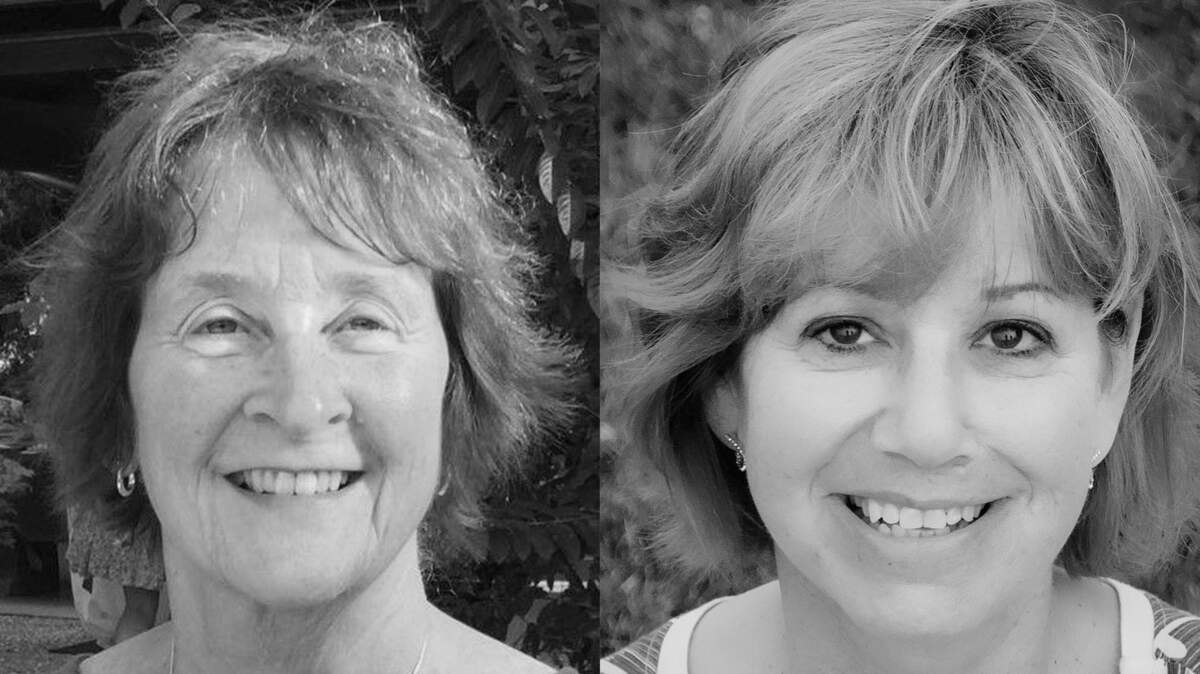
Patsy Brison and Risa Sreden Prince are co-founders of Coalition of Island Neighbors (COIN).