
A 40-year license to Lower Richland nuclear plant means less safety, silenced public voices
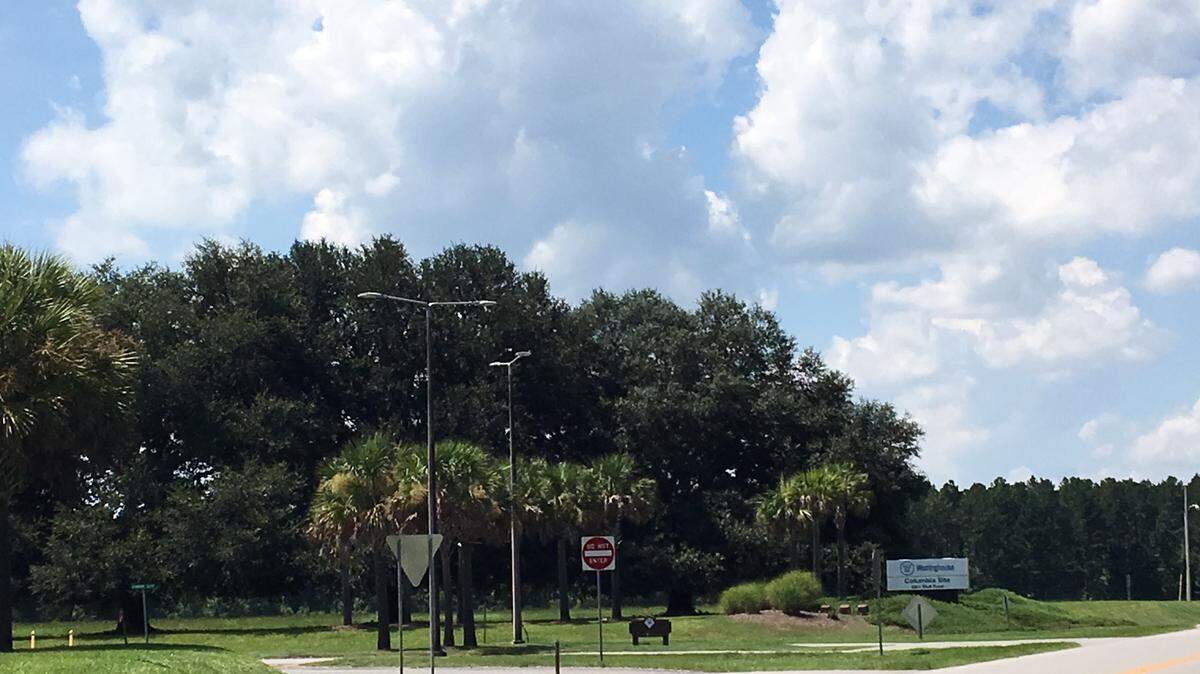
Just after Labor Day, the Nuclear Regulatory Commission (NRC) will likely grant a 40-year renewal license to Westinghouse Fuel Fabrication Facility (WFFF) to fabricate nuclear fuel rods in Hopkins, SC near Columbia. Unreasonable and unjust, this action rewards WFFF for its long track record of non-compliance, failure to report significant problems, poor safety record and less-than-competent management. This decision also silences the present and future voices of community members and their supporters who have requested WFFF be granted a renewal license for no longer than 20 years.
The NRC has stated they will perform fewer and less frequent inspections for nuclear facilities. How can WFFF need less rather than more oversight?
A final environmental impact statement states there would be no more danger to the public or to workers for 40 years than for 20 years. This is naive. The NRC, as an independent federal agency, and WFFF, as a monopoly, will revert to their their business-as-usual, bureaucratic behaviors. They will be immune from oversight and public pressure for two full generations. Families, from adults to their great- grandchildren, will have little recourse for holding both the NRC and WFFF accountable for existing and future contamination where they live, work, worship, hunt and fish, and recreate.
The Lower Richland communities are rural, under-resourced and predominantly African-American. They made multiple requests for the NRC and Westinghouse to stop using culturally insensitive, unrealistic means of communications, such as the obscure Federal Register, pricey newspapers and internet where there is no neighborhood broadband access. Instead they requested effective means, such as mailers, postcards, door hangers, announcements for churches to print in their bulletins, etc. The agency and the corporation repeatedly broke promises to do better.
Thank goodness the Bureau of Land and Waste Management of the South Carolina Department of Health and Environmental Control (DHEC) created its outstanding Consent Agreement with WFFF which held WFFF’s feet to the fire. Radioactive and toxic contamination of groundwater at the site and in sediments at the bottom of Mill Creek, which flows to the Congaree River, were discovered by DHEC’s processes. Furthermore, DHEC’s analyses exposed the inadequacy of NRC’s Environmental Assessment which forced NRC to complete a draft environmental impact statement.
A 40-year license cannot result in greater safety and health for the public, workers or the environment. As the new default the 40-year period will render communities permanently defenseless and voiceless.
We call on the NRC now to change the 40 years to 20 years for the renewal license as recommended by public officials in state government, the US Department of the Interior and community members and advocates. A 20-year license is plenty of time for Westinghouse to prove itself responsible and accountable and for the NRC to focus again on its forgotten mission, “Protecting People and the Environment.”
This story was originally published September 1, 2022 at 11:58 AM.