
International Paper plant’s closure in Georgetown is a big loss for South Carolina | Opinion
I’ll never forget watching tough-looking men in overalls and steel-toed boots crying while Georgetown Steel union leaders and management debated in front of reporters. Union members wanted us to describe what was happening as a “work stoppage” or something akin to it. Management preferred “union-led strike.” It was around Christmastime several years ago, one of the numerous times the steel mill seemed on the verge of shuttering before reopening, the cycle repeating.
The steel mill, which changed hands multiple times, shed part of its workforce every time it restarted machines that produced steel rods. It was an important part of Georgetown’s economic foundation, providing jobs far beyond the mill’s walls. At its height, the mill had a $131 million annual economic impact on the area. But it was unstable, and everyone knew it. When it finally shut down after several fits and starts, it hurt — a lot — but few were surprised.
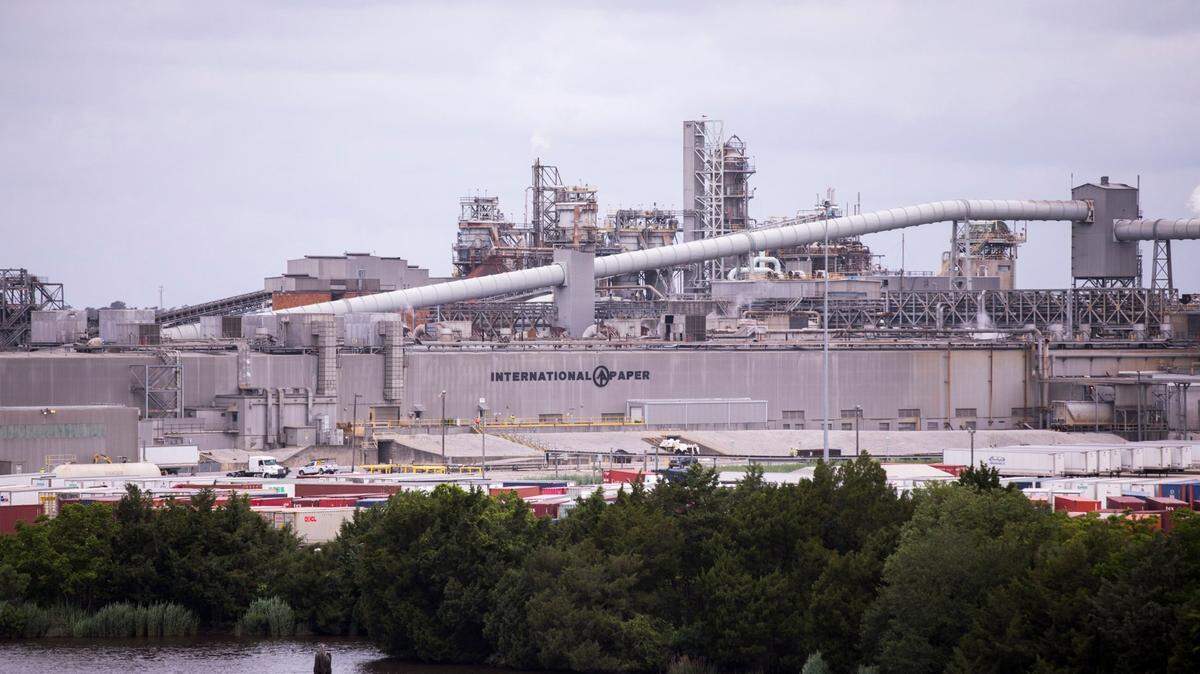
Across U.S. 17, the main corridor between tourist hub Myrtle Beach and Myrtle Beach hub Charleston, was an International Paper plant. It towered over the steel mill and the historic town, one of the oldest in South Carolina. It was stable. It was invaluable, and became more so every time the steel mill downsized before going away for good. IP’s economic impact was wider and deeper than Georgetown Steel’s. Like a live oak firmly planted in the middle of a hurricane, IP felt permanent.
We recently learned it’s not.
By the end of the year, the endless stream of 18-wheelers that led in and out of the plant since the mid-20th century will be no more. The 300,000 tons of “fluff pulp” it produces for items such as baby diapers will be produced elsewhere. The plant’s corporate owner has issued IP Georgetown’s death certificate. It will die when 2024 dies, burying 700 direct jobs and another 200 indirect ones with it.
Initially, I didn’t believe the news. Or maybe I refused to believe.
I understand how vital IP is to Georgetown and to many people I have known for years. It’s not just a plant closing. It’s the end of an era and the beginning of an uncertain one.
City officials have announced plans to help the workers get new jobs and new training and arranged job fairs with interested companies looking to fill openings. That’s good. That’s necessary. The city couldn’t afford to stand pat during such a monumental change. There has long been debate in Georgetown about whether the city needed to shift from its reliance on manufacturing to a more tourist-oriented economy. With the demise of the IP plant, that question has all but been answered.
The demise underscores how vapid our national political rhetoric can be. For manufacturing decisions such as these in small towns and cities, it matters little who sits in the White House. This decision was announced a week before this month’s election, the results of which did not change the fate of the plant. Economic factors and conditions, domestic and international, matter far more than if the president is a Republican or Democrat, and we should stop pretending otherwise.
IP’s CEO said it is closing the Georgetown plant for the same reason it is closing four others, including a smaller mill in Statesville, N.C.
The facilities were “underutilized.”
The 39,000-employee, $19 billion corporation “must optimize our footprint.”
He’s confident the closures are necessary but said they “include some difficult decisions that impact our team members, their families and surrounding communities.”
Those words aren’t comforting. There are no words comforting enough.
Here’s yet another Christmas season and yet another group of families wondering about their fate.
Georgetown isn’t the only rural area relegated to a state of near- and long-term uncertainty as the manufacturing industry continues a half-century contraction. Manufacturing was once responsible for nearly a third of the private sector workforce, but it accounts for less than 10% today.
We should have seen this coming. Maybe we didn’t want to. I wish this was the end of such news. But I know it isn’t.