
Jimmy Carter’s connection to a Lowcountry preacher in 1977 still resonates today | Opinion
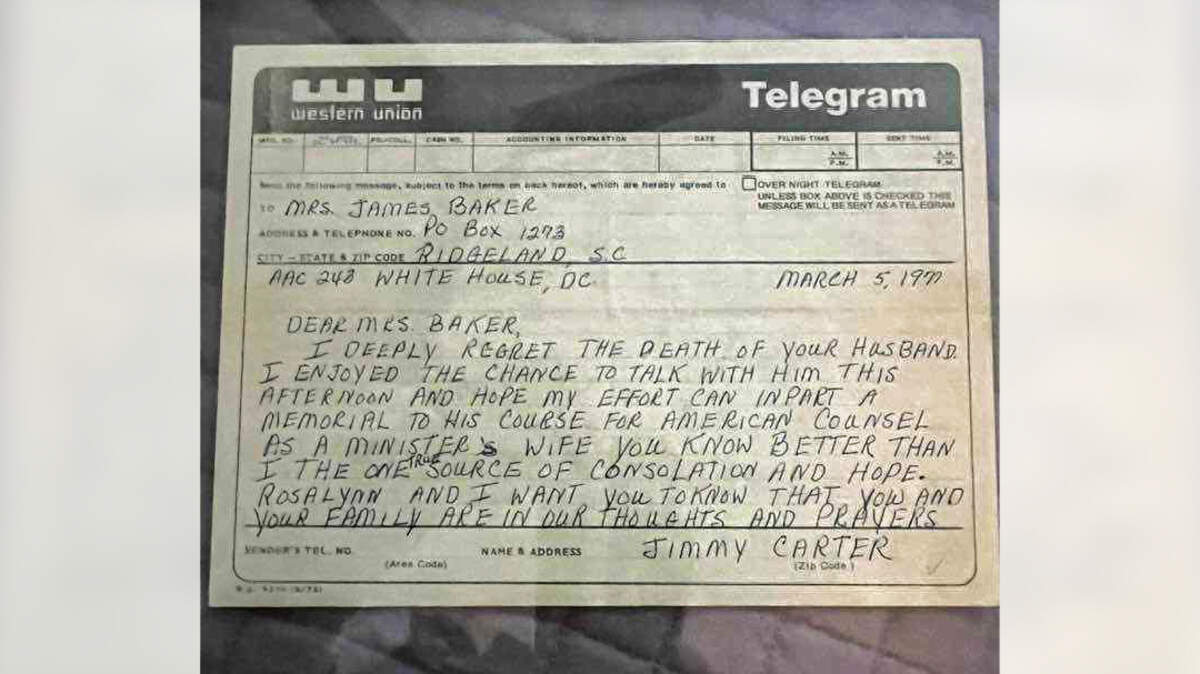
Jimmy Carter touched a lot of lives, but none quite like South Carolina’s own Jimmy Baker of Okatie.
When Baker heard of the former president’s death at 100 on Dec. 29, he said, “It kind of gave me a strange feeling. It was just a very reflective day.”
It made him reflect anew about Saturday, March 5, 1977, when his life changed in an instant. That afternoon, his father spoke from his home in Ridgeland to the new president of the United States in a national radio call-in show hosted by Walter Cronkite, and then his father collapsed and died of a heart attack.
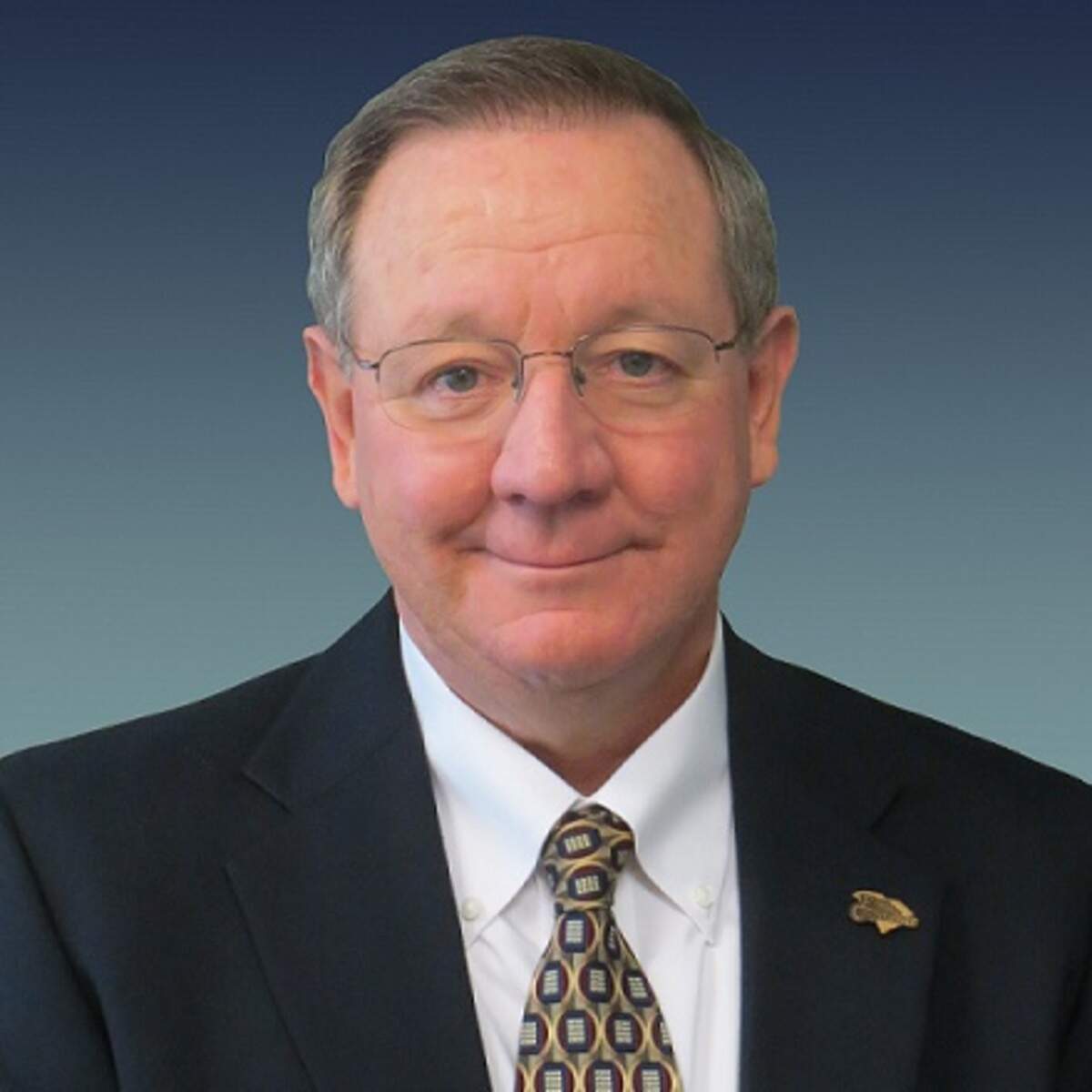
The Rev. James E. Baker Sr., 56, was the new pastor at the rural Robertville Baptist Church, and one of just 42 people to get through to President Carter among more than 9 million callers during a two-hour program that day. Baker Sr. urged the president to protect consumers against corporate cheats. Suddenly, he was gone and it was a major news story.
Jimmy Baker said, “We were dealing with his death, but we were also dealing with national and worldwide headlines.”
At the time, Jimmy Baker was 23, fresh out of college and living at home while working for Jasper County.
“I had left home that morning,” he said. “I was going up to Lander (College in Greenwood) to visit Phil Lowther for the weekend.
“My dad, at breakfast, said he might call the president.
“I said, ‘You and millions of others.’ We laughed about it.”
By the time they got to Greenwood, Phil’s wife was able to take Jimmy in the back room and tell him his father had had a massive heart attack, and “it doesn’t look good.”
They never unpacked. They turned around and headed home.
“We were going down the interstate with the radio on,” Baker recalls. “The way I found out my dad died was on the national news.”
His father had hung up from the president, called his wife at work at Langford’s Pharmacy, then collapsed during a call to his sister-in-law.
Jimmy Baker arrived back home to a yard full of reporters and television trucks.
“It all seemed very surreal when it happened,” he said. “And it still does when I reflect on it.”
President Carter sent a telegram to Baker’s mother that afternoon and he called to console her that night, but the day began with him wanting to know what was on the minds of every American.
Pulitzer Prize winner Walter R. Mears reported for the AP: “The things they were concerned about ranged from Cuba to (Ugandan President) Idi Amin to taxes to an Indian land claim to a forbidden cancer treatment to a government job.”
The Rev. Baker first commended Carter “for the effort that you have made to restore ethics and morality in government.” Then he asked that more be done to protect the poor “from shoddy merchandise, or warranties that are not honored, and similar unconscionable profit actions.”
Carter replied, “If I don’t do that before I get out of office, I will consider my administration a failure.”
Carter aide Stuart E. Eizenstat listed consumer protection among Carter’s successes in an op-ed on Dec. 29 in The Washington Post, saying he “placed consumer advocates in major regulatory agencies.” It came through executive order, and did not wholly satisfy consumer advocates.
That fateful day in 1977, when a reporter asked Jimmy Baker if his father had voted for Carter, Baker showed a deftness that would serve him well in 27 years with the Palmetto Electric Cooperative as vice president of marketing and public relations.
“I paused for a minute,” he recalled, “and then said, ‘My dad thought he was a really, really good man.’ ”
In perspective, that’s huge. Two men of differing politics saw the best in each other, said it out loud, and treated each other with respect.
At the Rev. Baker’s funeral at Great Swamp Baptist Church outside Ridgeland, the Rev. Lonnie Woolweaver said he was a person who “spent his life trying to remedy moral ills.”
They’ll say the same about Carter at his funeral Thursday at the National Cathedral.
This long ago connection shows that we do indeed have ties that bind. It’s something America — to its detriment — seems to have forgotten.