
South Carolina’s tort reform legislation is a bailout for insurers, not a bargain | Opinion
“The first thing we do, let’s kill all the lawyers.”
Shakespeare wrote that in the late 16th century. A new bill introduced in the South Carolina General Assembly this year takes the phrase and runs with it, leveraging vague anti-lawyer sentiment to hand ever more billions to insurance companies.
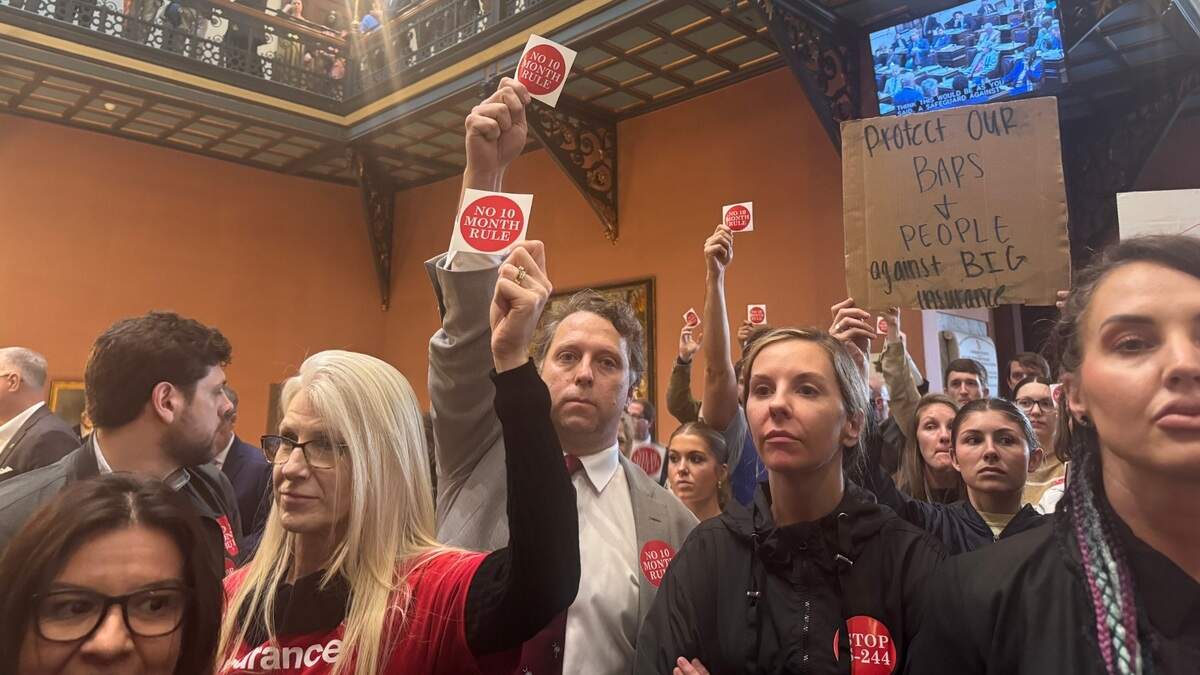
Senate Bill S. 244 would dramatically reform the tort claims process in South Carolina, allegedly to help small businesses. In reality, it would permit insurance companies to dodge liability payments for up to 10 months, hurting real people. It would allow lawbreaking bars to get off scot-free, even if they’re serving minors. It would also enable insurance companies to issue eroding policies that reduce coverage and leave small businesses unprotected.
And that’s just the start. The bill constitutes a grab bag of legislative priorities that big insurance companies want.
Here are the facts about “tort reform.” Legal processes that allow victims to sue for damages are fundamentally consistent with the Seventh Amendment to the United States Constitution, which guarantees “the right of trial by jury.” Such processes also guarantee a free-market approach to safety, incentivizing companies to create secure operating procedures in the interest of preventing negligence and harm. Immunizing big corporations against liability relieves them of responsibility for their bad actions. Giving insurance companies so much leeway to delay or deny claims hurts all of us.
Further, the bill would shift the costs of compensating claimants to taxpayers, who at the end of the day are the parties responsible for funding state-sponsored health and disability programs. The legislation is also anti-law enforcement, permitting wrongdoers to skirt liability and allowing them to cause future harm.
As an attorney dedicated to helping South Carolinians in their times of greatest need, I can shed some light on how the process works. Compensation is derived through contingency fees. In other words, we don’t get paid unless the claimant does. So, despite what critics would have you believe, we are incentivized to screen out frivolous lawsuits. If we don’t do that at the outset, we waste our own time and money. Again, it’s a free market approach — and the free market works.
Advocates of this bill claim that passing it would lower insurance premiums. In fact, two prominent recent cases show the opposite.
In 2020, the Louisiana Legislature passed a comprehensive “reform” bill called the Louisiana Civil Reform Act. Advocates said at the time that insurance rates could go down by up to 25% within a year. On the contrary, Louisiana Governor Jeff Landry wrote four years later in 2024 that, “Since 2020, Louisiana citizens have not seen car insurance rates fall. Instead, car insurance rates continue to rise, which reminds me of the adage, ‘fool me once, shame on you. Fool me twice, shame on me.’”
The same story played out in 2023 in Florida. Their “tort reform” bill also failed to reduce insurance rates. President Donald Trump called it “the worst Insurance Scam in the entire Country” on Truth Social that year. Those “savings” have yet to trickle down to consumers in any meaningful way.
In a sadly poetic repeat of the past, one of the president’s sons, Donald Trump Jr., recently weighed in on South Carolina’s bill, writing on X: “Hey South Carolina, what’s going on with this? This bill seems like a complete disaster. Hopefully the legislature gets smart and strikes this down!”
It’s a good question, and the answer is unfortunately all too typical. This bill is being pushed by insurance companies and their lobbyists.
Gov. Henry McMaster on Wednesday asked the General Assembly to “find the commonsense solution” when it comes to tort reform. And there are certainly commonsense reforms to be made. A liquor liability bill in the House, for example, adds a foreknowledge requirement for suits against hospitality business, helping restaurants and bars who might otherwise be held 100% liable for simply serving alcohol. We can all get on board with that.
Let’s find a solution that seeks to better protect citizens from the negligence of bad actors — not dole out more profit to insurers and big corporations. That’s not a negotiated bargain — that’s a bailout.
The first thing we do: Kill this bill.