
I started shrimping in South Carolina at 14. Here’s how we save it | Opinion
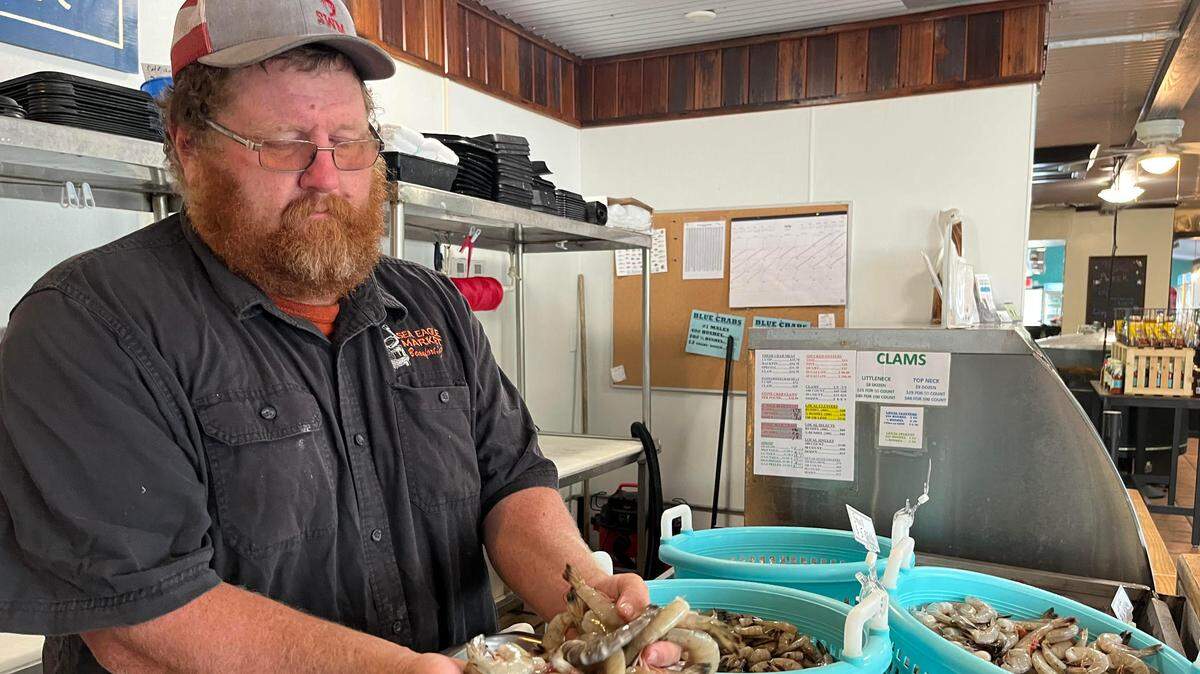
I was fortunate to grow up in the seafood business that adults call the “shrimping industry.”
I started shrimping with my dad at the age of 14 on summer breaks in the 1980s, and by the time I was 17, my dad had me running my own boat, “Boy Shrimper,” working out of Georgetown, and shrimping from McClellanville to Little River.
In 1992, our family relocated to Beaufort with our boats, and we haven’t stopped shrimping.
We have been working out of St. Helena Island ever since. Over the last 33 years, we have seen a lot of changes to the shrimping industry. To be honest, we have witnessed the absolute destruction of the heritage and traditions of the domestic commercial fishing industry. It’s kind of been like death by a thousand cuts, but there are three main factors in the industry’s collapse.
First, let’s talk about unfair trade practices. The United States government has spent billions of dollars for international development of aquaculture businesses in foreign countries instead of investing money in the domestic seafood industry. While aquaculture at its core isn’t bad, the way these foreign countries are doing business is. Their imports come into our country containing banned antibiotics and hormones that can cause significant health issues for consumers. In addition, the imports are produced with forced labor and cause great harm to the environment. Currently 94% of all shrimp consumed in the United States is imported, mainly from countries like India, Ecuador, Indonesia and Vietnam.
Second, let’s discuss regulations and high standards from state and federal agencies. The domestic seafood industry is highly regulated and held to high quality standards, but imports are not equally regulated and are inspected at a rate of less than 1% at ports of entry nationally.
Third, there’s inflation. While imports have driven domestic shrimp prices to historic lows, fuel and operating costs have increased dramatically.
Over the last three decades, I have also witnessed the loss of almost all our domestic seafood industry infrastructure. Here are three examples.
First, our working waterfronts have been replaced with condos, restaurants and marinas. Second, shrimpers have an aging fleet. Lack of investment has caused our fleet in Beaufort County alone to go from over 100 strong in 1992 to around 15 trawlers today. Third, there’s the loss of family heritage. Commercial fishing is a trade that has been around forever. Most commercial fishermen are generational. As our old salty dads and grandfathers have aged out of the industry, very few of their children have followed in their footsteps to keep these family businesses and coastal communities alive.
The recent national attention on tariffs and the current 90-day tariff pause represents a critical moment for America’s shrimp industry. We welcome these trade discussions, which must address what’s crushing America’s shrimpers.
I don’t want this to be too much of a downer, but the reality of our current fisheries is not good, and honestly, I don’t know if it can be saved. But I do believe there are winds of change happening, and South Carolinians can help.
Consumers should know where their food is coming from, and ask questions about the origins of the foods they purchase. Consumers should also be aware of fraudulent labeling at markets, grocers and restaurants, where seafood may be mislabeled or misrepresented as local. Just because an establishment is located on the coast with all the “right atmosphere elements” doesn’t mean the food consumers are eating was caught in those local waters.
In an effort to combat this problem, the Southern Shrimp Alliance is taking aggressive action to address deceptive marketing of farm-raised imported shrimp as domestic by funding cutting-edge genetic testing of shrimp and posting the results publicly on its website.
While newly imposed tariffs and International Trade Commission actions to level the unfair trade practices will help, shrimpers also need our legislators to stop funding aquaculture businesses in foreign countries and invest in rebuilding our domestic seafood industry. The National Oceanic and Atmospheric Administration’s Sea Grant program and other programs are trying to build a new generation of shrimpers that could benefit from redirected federal funding.
The United States has the best, wild caught, organic, ocean-fed and sustainable shrimp on Earth. I am proud to be a commercial fisherman continuing my family’s legacy, harvesting fresh shrimp right here in South Carolina.
When we say, “from our boats to your table,” we mean it.
Buy local. Eat wild caught seafood from the USA.
This story was originally published April 17, 2025 at 6:00 AM.