
The South Carolina case for strategic U.S. foreign aid | Opinion
I was raised on President Ronald Reagan’s “Peace through Strength” doctrine, and grew up to believe that America’s leadership in the world depends on a projection of strength and competence. I still use these ideas as a guide when I think about foreign policy and international assistance in today’s world.
Reagan, while initially skeptical about foreign aid, came to view foreign assistance as a crucial tool to advance America’s interests on the global stage. He understood that achieving long-term American prosperity would require multiple tools, including military strength, foreign assistance, strong diplomacy and more.
Now, decades later, many of our leaders have become rightfully skeptical of the ways in which foreign aid has evolved. Apparently, some foreign aid funds channeled through the United States Agency for International Development have been used to support programs that don’t have a real connection to American security or prosperity.
I believe that the government exists to serve the people and our taxpayer dollars are supposed to be spent in furtherance of our own interests. We should demand both transparency and accountability for government programs, including international assistance and USAID initiatives. This will help us spend our money more strategically and wisely, making sure that our efforts benefit Americans rather than funding random causes abroad.
At the same time, we cannot forget the ways in which international aid can be used as an effective tool to gain advantage over our rivals and further our foreign policy tools. Accountability does not have to mean we throw the baby out with the bathwater and end beneficial USAID programs while we get rid of the bad.
I served several years in the Peace Corps when I was younger, living and working in Thailand on health and nutrition projects. Through this experience, I saw how direct connections between people can foster strong relationships and build diplomacy between two countries. International exchange and aid made a real difference in fostering pro-American sentiment in a Southeast Asian country.
I was assigned to the Agriculture Office in the Home Economics Department and worked with village mothers’ groups on several projects that I originally learned at my mother’s and grandmother’s elbow. The first was preserving and canning fruits and vegetables. Even though Thailand is blessed with an abundance of these foods, refrigerators were not so common.
We also partnered with UNICEF to distribute toothbrushes to child care centers so that each child could have their own, and taught each of them how to best clean their teeth.
And I finally understood South Carolina’s significance as “the Wonderful Iodine State” when we traveled from village to village teaching why and how to add iodine to families’ drinking water, especially for pregnant women. In remote areas, iodine is not naturally-occurring, and the lack of it causes thyroid problems and serious brain development issues in unborn children.
The Thai people I met embraced capitalism and the ability to “get ahead.” They loved the United States, and were very afraid of the close vicinity of communism. So many were grateful for our presence and the many other ways the United States exchanged friendship, training and technologies with their country.
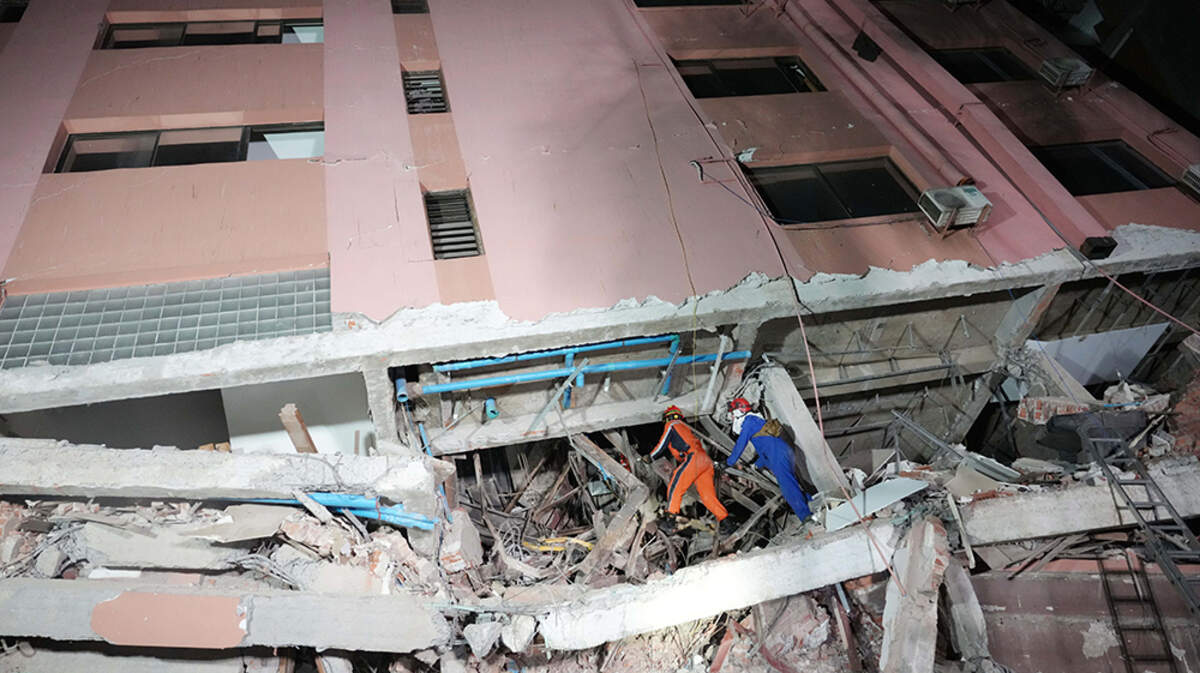
These experiences led me to pay special attention to the devastating earthquake that struck Myanmar and Thailand in late March. In the past, America’s robust infrastructure for international aid allowed us to be first responders to natural disasters like this one, no matter where they occurred. In the days and weeks following a crisis, citizens would see American-led ships and rescue operations coming in to offer assistance. The symbol of the American flag would be one of help, hope and reliability.
However, in the wake of a recent earthquake, the United States has been slower to respond. And, in our absence, our chief global rival has filled the void. China sent planes full of supplies and $14 million worth of aid after the earthquake and its government is taking advantage of the situation to create positive PR for its country. A spokesperson from the Chinese foreign ministry posted videos and photos of Chinese rescue workers saying, “China, a friend in need.”
Losing international strategic partners and alliances will hurt our national security, trade opportunities and ability to respond to international crises. Businesses across the United States depend on foreign partners for trade. Development aid helps create new markets for American goods. A good example of this is the Marshall Plan where, after World War II, the United States helped to rebuild Europe. Sixteen countries received aid, and many are now major trading partners and strong allies.
Reagan got to the core of this issue when he said: “Our national interests are inextricably tied to the security and development of our friends and allies.” This remains true today.
The United States must continue to fund those international assistance programs that advance our national interests. We can get rid of fraud and abuse while continuing the beneficial programs that improve American lives and strengthen our national security each and every day.