
South Carolina’s vaccination rate is dangerously low as measles surges | Opinion
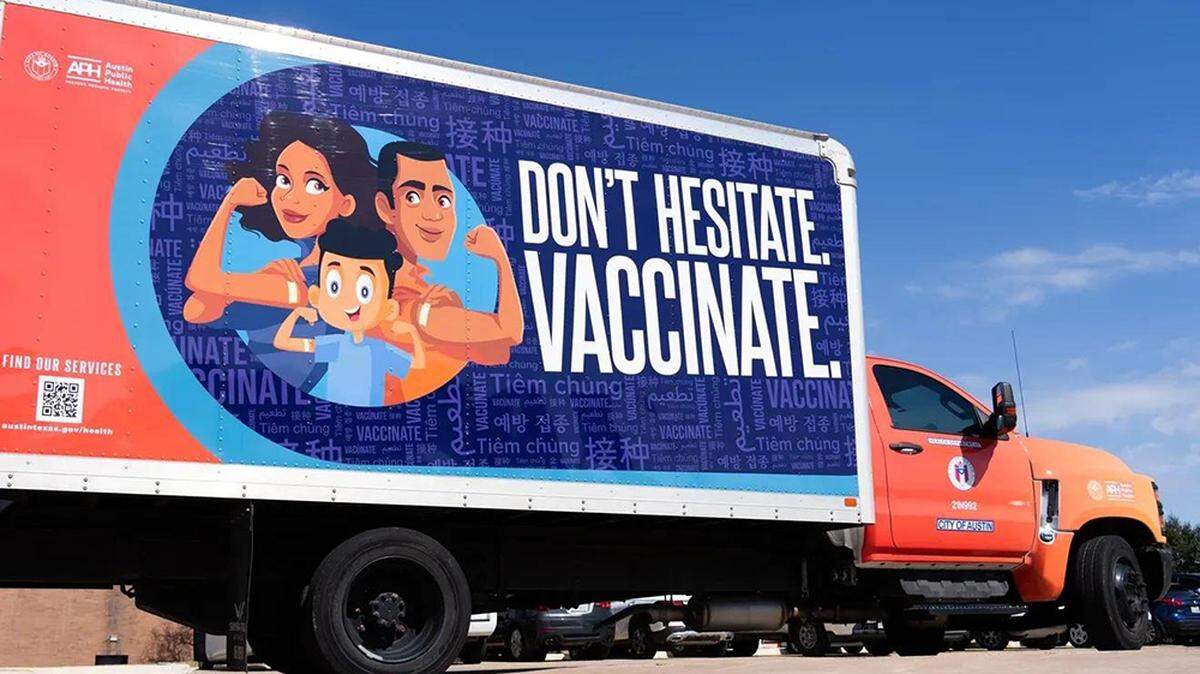
Measles — highly contagious and deadly in young kids — has been entirely preventable because of safe vaccines that date back decades. The World Health Organization declared it had been eliminated in the U.S. 25 years ago, so very few pediatricians have ever seen it in their patients.
Yet, in recent days, Columbia pediatrician Deborah Greenhouse dispensed early doses of the vaccine to not one but two babies because their families were traveling to places where measles carried risk. One was traveling overseas to Turkey. Another was going to West Texas.
A measles outbreak that erupted in Texas several months ago has grown to 14 outbreaks afflicting more than 1,000 people in 30 states. It has killed three Americans, two of them children with their full lives ahead of them. Ninety-six percent of the cases have been among the unvaccinated or those whose vaccination status is unknown. Only 3% had one or two doses of the MMR vaccine that targets measles, mumps and rubella and that has been found to be safe and effective and to establish herd immunity when 95% of people in an area have got the shots.
Last school year in South Carolina, 92.1% of kindergarten students had two doses of the MMR vaccine. That’s down from 95% in the 2019-2020 school year when the COVID-19 pandemic hit.
Ninety-five percent is a number that needs to be reached because as Greenhouse explained very clearly, “Kind of close only counts in horseshoes and hand grenades. It’s not good enough.”
Yet Richland County’s public school vaccination rate is 91.3%, fifth worst in the state of South Carolina. The only worse counties in the state are Horry County at 90.8%, Spartanburg County at 90%, Fairfield County at 89.4% and Jasper County at 82.5%. Fairfield and Jasper counties have less than 5,000 students each. The other three are much larger, with more than 50,000.
In South Carolina, medical and religious exemptions are the only ways to avoid vaccinations. Yet those exemptions account for just 2.4% of Richland County’s 8.7% of unvaccinated students. That means that something fixable is happening, and preventing herd immunity here.
‘We are likely to see it’
It’s a big problem with measles in particular.
In February, as burgeoning outbreaks in Texas and nearby New Mexico had infected 66 people, Greenhouse wrote a prescient commentary for The State that explained the risk.
“Among children with close exposure to measles who are not immunized (including infants too young to be immunized), approximately 90% will catch the disease and up to 40% may be hospitalized, with children under 5 years old at greatest risk,” she wrote. “For every 1,000 children with measles under the age of 5, approximately one to three will die.”
The science says one person with measles can infect 12 to 18 people without antibodies. That’s a far more contagious impact than the flu, where one sick person can infect one or two others, or than the virus that causes COVID-19, where someone might spread it to two or three others.
So far, no measles cases have been reported in South Carolina this year, but cases have cropped up in nearby Georgia and elsewhere in the South, in Florida, Kentucky and Tennessee. It’s worrisome because in 2023, 107,500 people died worldwide from measles, mostly children under the age of 5 who would have been protected by the safe and cost-effective vaccine.
“Viruses do not respect state borders so there is every reason to expect that we are likely to see it in South Carolina as well,” Greenhouse, a past president of the South Carolina chapter of the American Academy of Pediatrics, said. “The question is will we recognize it when we first see it.”
Pediatricians’ plans involve skilled front-desk screening, training for triage nurses, recommendations for best post-exposure practices and the embrace of telemedicine.
“Every pediatrician that I know is making plans for what they will do to better identify measles,” Greenhouse said. “We shouldn’t be spending our time, spending our resources, trying to combat a disease for which we have a very effective vaccine.”
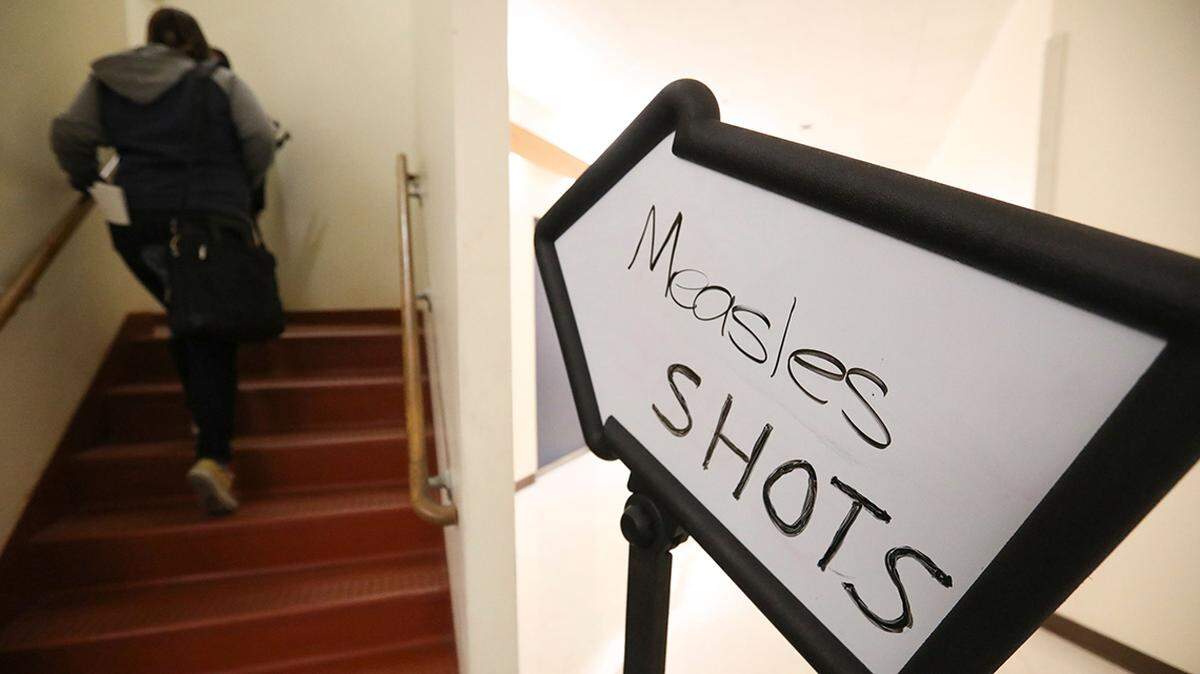
But, she said, measles outbreaks affecting three or more patients are not inevitable in the state.
“We still have the ability to have an impact here,” she said. “And that impact is simply by encouraging the vaccine, by making sure that families understand the science behind the vaccine, making sure that families understand that contrary to much of what they’re reading, there have been controlled studies of the MMR vaccine, that it is safe, that it is effective and that it does not cause autism.”
Even so, she said, immunization rates are falling in many places.
‘Puts children at risk’
Greenhouse is seeing it in the families who have been coming to her for years, who have vaccinated two children but are arriving with their third or fourth child and saying not again.
Sometimes, a conversation with parents about their concerns can alleviate them.
A single dose is considered 93% effective at preventing illness. Two doses are 97% effective.
Typically a child gets a first MMR dose at age 1 and a second dose at age 4. A first dose can be given at 6 months in high-risk situations, but that child would still need the two routine doses.
Amid the current outbreaks, some doctors are even recommending adults get booster shots.
Vaccine improvements are partly responsible for that. According to the Harvard Medical School, Anyone born before 1957, when measles rates were high, is presumed to have had measles or been exposed to the virus so doesn’t need a measles vaccine or booster. But people born between 1963 and 1967 may have received a less effective vaccine and should get one to two doses of the vaccine. And most people born before 1989 likely received only one dose, not two.
This is all something a pediatrician can and will explain to a hesitant parent.
But it doesn’t help that U.S. Health and Human Services Secretary Robert F. Kennedy Jr. is a skeptic of vaccines whose voice now carries greater weight. A 72-page report released Thursday, May 22, by the MAHA Commission that Kennedy chairs for the Trump administration examined chronic childhood disease — and rehashed questions about vaccines’ possible links to disease when they have been scrupulously tested over a number of studies and a long period of time.
Even before the report, Greenhouse was worried about Kennedy’s influence on Americans.
“I think that stoking the fires of vaccine hesitancy puts children at risk,” she told me. “I think it is a major reason that we are living in the midst of a measles outbreak. People see what he says. They believe that he is making recommendations in their best interest.”
He may believe that, too. But he is certainly not when it comes to vaccines. The science — which explains vaccines have saved 154 million lives, including 101 million children, over the last 50 years — says clearly that he is not.
‘Ask their pediatrician’
Sure, South Carolinians should read the report rather than rely on my or anyone’s description of it. See what it says. Listen to Kennedy. And then talk to your family pediatrician about all this.
“They need to make sure they are getting information about vaccines from a reputable source,” Greenhouse said. “If they’re unsure what resources to use, they should ask their pediatrician.”
She suggested getting vaccine information from the American Academy of Pediatrics, a great resource for doctors, and the Children’s Hospital of Philadelphia, one of the best in the country.
“Every parent wants to make the best decision for their children,” she said. “I truly believe that. But if they are looking at some of this disinformation that is online, the decisions they make may actually end up causing harm simply because they were looking at a source that wasn’t true.”
In the end, it may be a difficult conversation for those averse to vaccines. But the ultimate decision is simple: Vaccines save lives. They’ll save other children. They’ll save yours.
This story was originally published May 27, 2025 at 5:00 AM.