
Keep South Carolina’s Francis Beidler Forest safe from Santee Cooper | Opinion
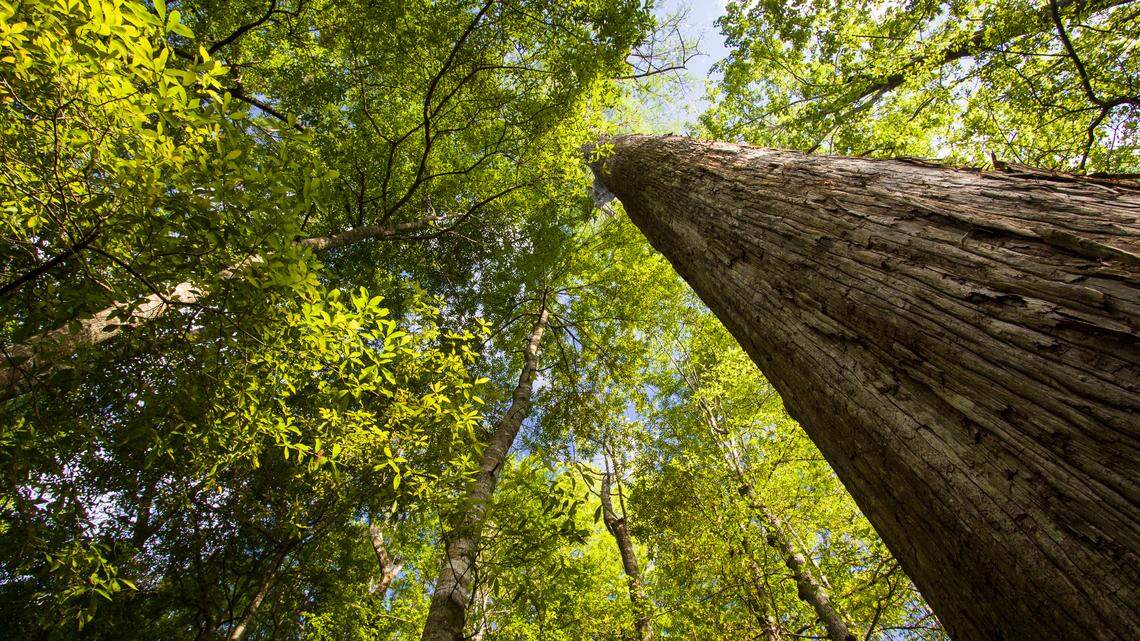
The Southeast, along the Atlantic Coastal Plain and Mississippi Alluvial Valley, was once home to more than 40 million acres of old-growth cypress forests. These vast intravenous networks of blackwater swamps held some of the oldest living organisms on the continent. Towering bald cypress trees, some more than 2,600 years old, offered refuge to myriad species, filtered freshwater, buffered floods, and locked away carbon by the billions of tons.
By the 1930s, nearly every historic cypress stand had been clear-cut to fuel America’s industrial boom. The loss was not just ecological but cultural. Entire ecosystems collapsed, and with them, at least three bird species vanished forever: the Carolina parakeet, the Bachman’s warbler, and perhaps most haunting of all, the ivory-billed woodpecker — the so-called “Lord God Bird.”
Today, less than one-tenth of 1% of those original cypress swamps survive — roughly 12,000 acres spread thinly across a few refuges and sanctuaries. That’s it. That’s all that’s left.
South Carolina is fortunate to shelter two of these living relics: about 300 acres in Congaree National Park that escaped the saw, and 1,800 acres in Audubon’s Francis Beidler Forest.
These are not just stands of trees. They are windows into another world and touchstones to our southern heritage, sacred places where the forest still functions as it did for millennia.
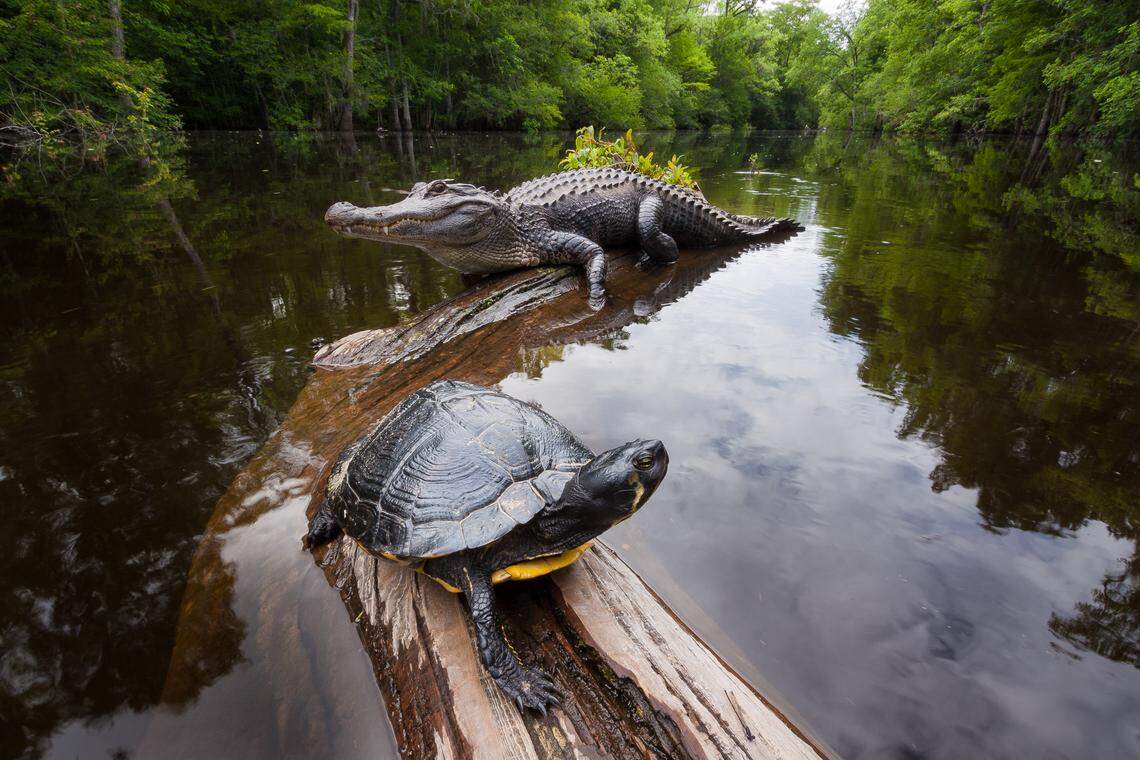
I’ve spent the past 15 years slogging, camping, climbing, paddling, even snorkeling through these groves. With camera in hand, I’ve photographed them for National Geographic, PBS, BBC, Garden & Gun and many other media outlets.
The public response is almost always disbelief: “I didn’t know there was any old growth left.”
Yet here they are, beacons of hope in our backyard, fiercely stewarded by the National Park Service and the National Audubon Society.
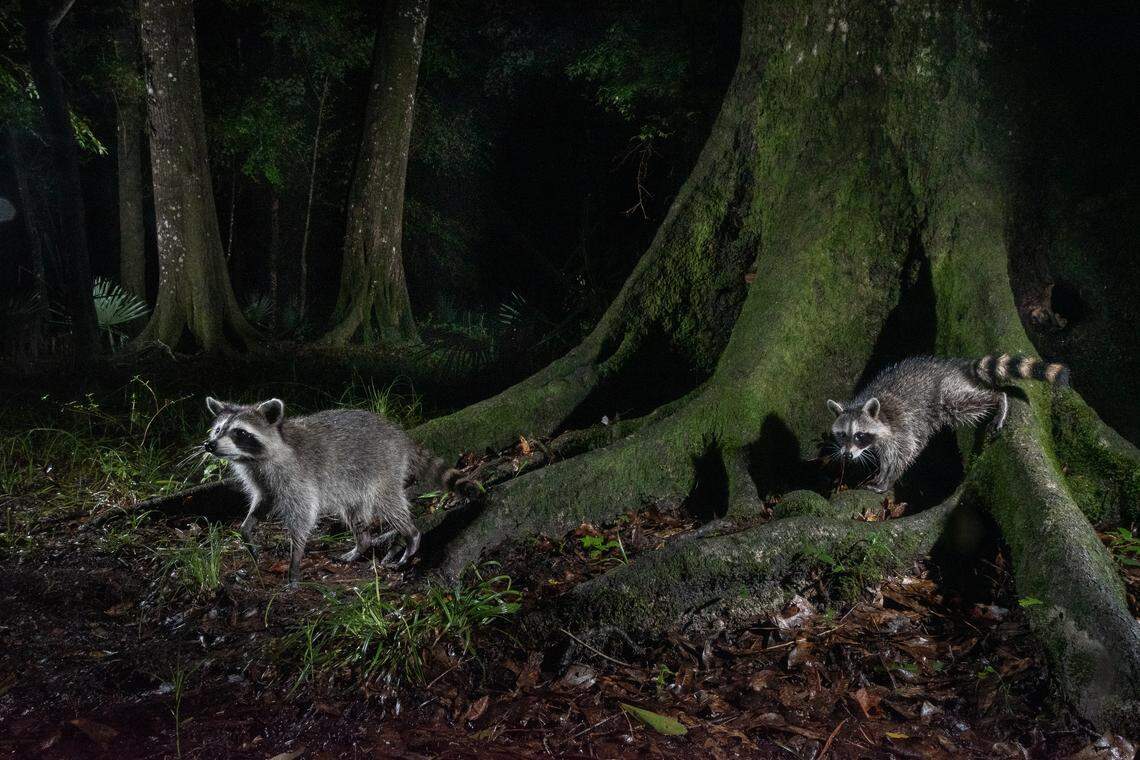
Both South Carolina settings are open to the public, and both stand among the most stunning wild places I’ve ever seen. I don’t say that lightly. In my career, I’ve documented wilderness from the Amazon rainforest to the Mekong River, but Beidler Forest still stops me in my tracks.
What makes these groves extraordinary isn’t only their size or age, though both are staggering. It’s the integrity of the system itself — the interwoven layers of life from the soil to the canopy, the variety of ages, the cycles of decay and renewal, even the millennia-old role of fire that shaped the forest and the creatures that depend on it.
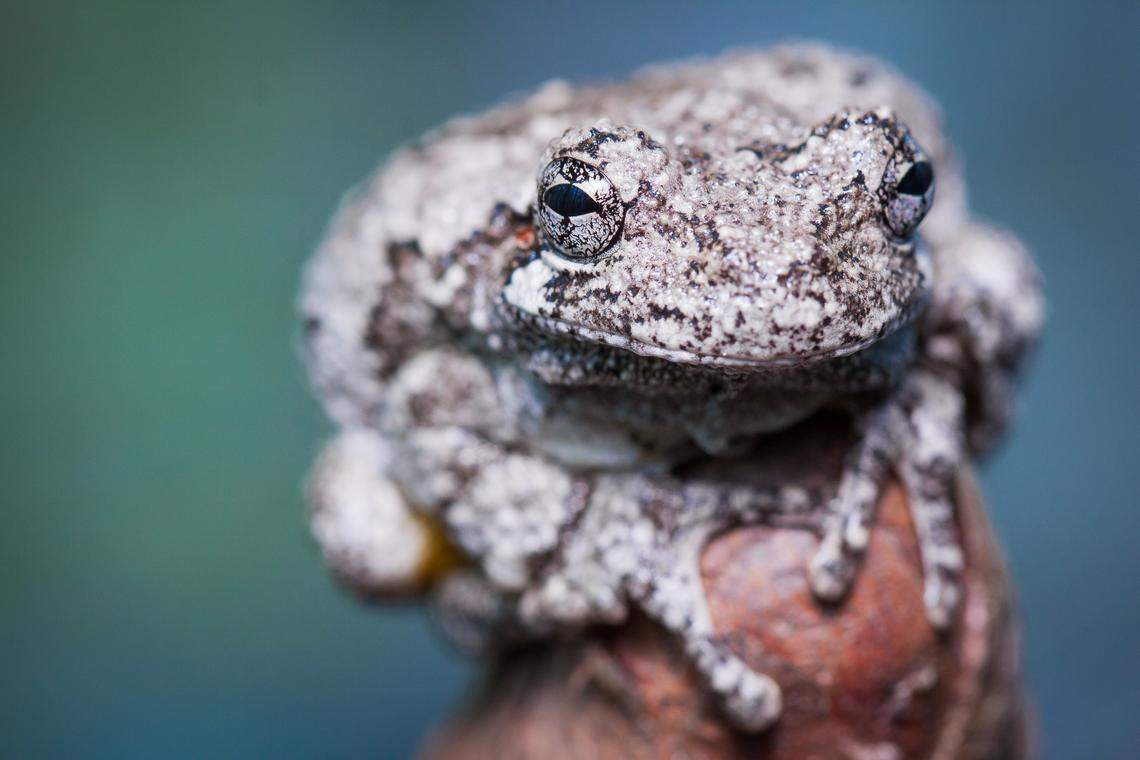
In these ancient stands, we glimpse how the southeastern United States once looked and functioned.
Thousands of people who have come to know this place regard it as sacrosanct. For those who haven’t yet made the trip, I’m jealous you have a first impression still ahead of you. It is holy land not as humans have manifested, but as God built.
To destroy a part of this forest would be like chiseling away at Notre Dame, knocking out its columns and windows while still claiming to honor the cathedral.
And yet that is exactly what is at stake today.
Santee Cooper, the state-owned utility, has asked for permission to cut into Audubon’s Francis Beidler Forest to expand transmission lines, expanding an existing right-of-way granted in 1941 by cutting an additional 100 feet on either side for 1.3 miles into the ancient stand.
If approved, it would decapitate and permanently scar one of the last great old-growth cypress sanctuaries left on planet Earth.
The choice before us is stark, but an easy one if you’ve seen this place. Do we allow South Carolina’s irreplaceable natural heritage to be treated as expendable infrastructure? Or do we recognize that places like Beidler Forest are globally unique heirlooms — sanctuaries that connect us to deep time and our southern heritage?
This is not an ordinary power line in an ordinary loblolly pine grove. In the wake of so much loss, we don’t have 5 acres to spare, much less 50. We must hold dear and inviolable the few old-growth forests we have left. South Carolina has an opportunity to lead, to say that its living cathedrals are simply too sacred to sacrifice.
Please urge your leaders to reject any plan to expand a powerline through Beidler Forest’s irreplaceable old-growth. You can make your voice heard here.
Mac Stone is the executive director of Naturaland Trust and a National Geographic Explorer, based in Greenville.