
Meet the three candidates running to be Columbia’s mayor for the next four years
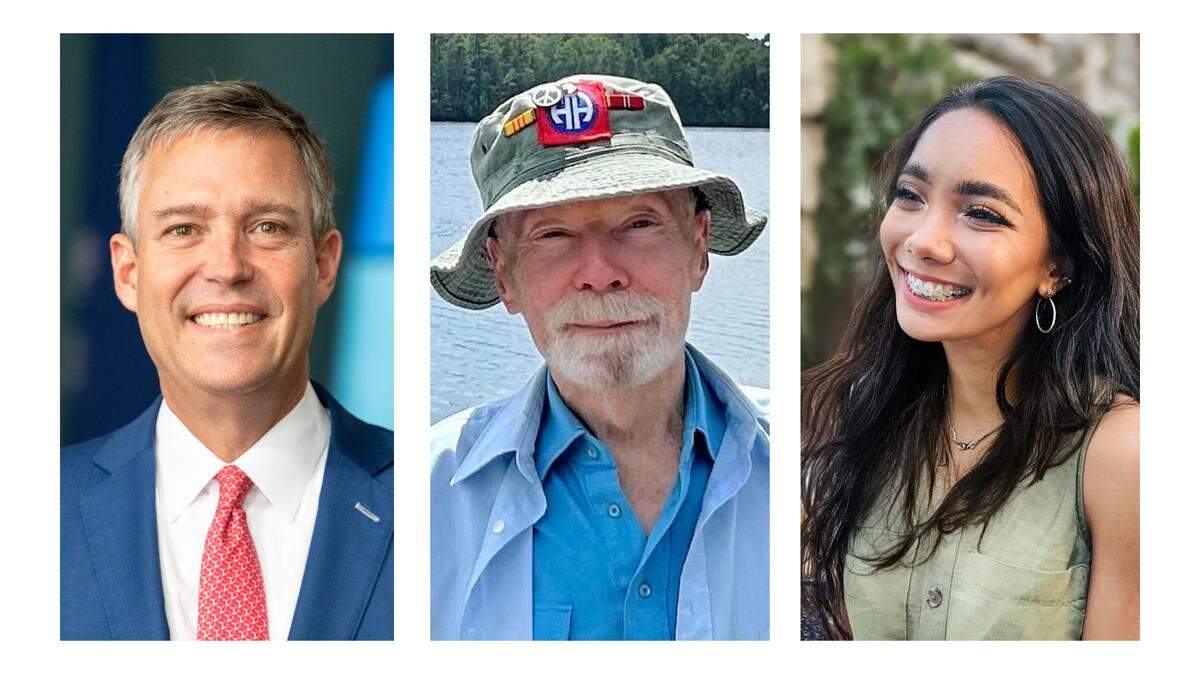
The Columbia mayor’s race has three candidates running for a four-year term through 2029. I asked each about their priorities and perspectives. Their answers are below.
Every candidate received 10 questions and 250 words for each answer. Interviews were edited for accuracy, clarity and style and published in their entirety. The McClatchy South Carolina Editorial Board will publish an endorsement in the race, but we are publishing Q&As first so readers can assess the candidates on their own. Early voting begins Oct. 20, and Election Day is Nov. 4.
Find an early voting location here. Find your polling place here to vote on Election Day. If this public service helps, please consider supporting our journalism at thestate.com/subscribe. Your subscriptions and support make this massive undertaking possible, so thank you for reading this. If you have questions about our interviews or endorsements, please email me.
Meet the candidates
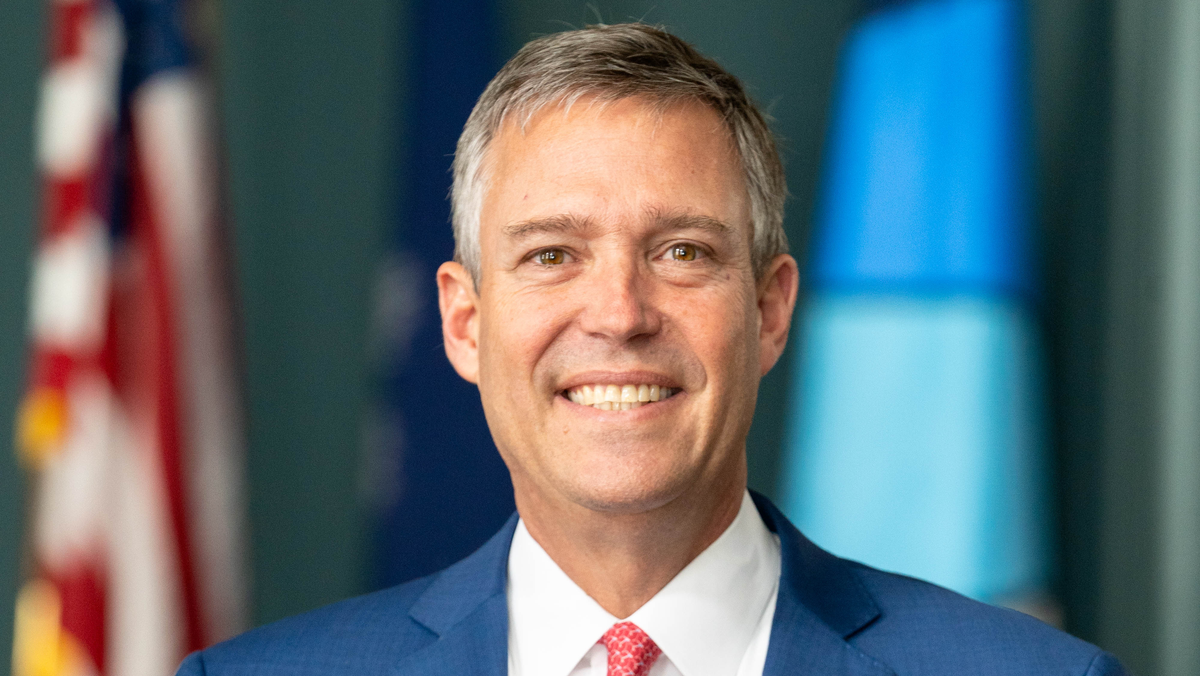
Mayor Daniel J. Rickenmann
Q: What is your No. 1 priority for the city of Columbia and why?
A: My top priority is safety. When our neighborhoods are safe, everything else falls into place. That’s why we’ve invested in the Office of Neighborhood Safety and Engagement, added mental health clinicians to ride alongside officers and equipped CPD with new technology to respond faster and smarter. The results are clear. In 2024, crime was down 9% and person-hit shootings were down 40% from the prior year, and our homicide clearance rate was 100%. You can’t have thriving neighborhoods or businesses without safety as a top priority.
Q: How will you address local housing affordability and availability?
A: Housing affordability has to be attacked on multiple fronts. First, we’re fast-tracking approvals and modernizing our permitting and zoning where it makes sense to keep costs down for builders and buyers. Second, we’re leveraging partnerships, like with DreamKey Partners, to bring new workforce housing units online. Third, we’re using grant funding strategically. This past year, we put $3.7 million into new single-family homes, affordable rentals and neighborhood revitalization. Although we permitted nearly 1,200 new homes and 700 apartments last fiscal year, Columbia needs close to 15,000 new units over the next decade stretching from workforce housing to market rate in every form (single family, duplexes, townhomes and apartments).
We’re laying the groundwork through multiple approaches. For example, we have identified the empty lots across the city and are working with those owners to try and find more strategic locations for housing revitalization and development, but also putting the city of Columbia’s lots on the table for homeownership opportunities.
Q: Grade Columbia’s approach to homelessness. What would you do differently?
A: I’d give us a “C+” because we’ve made measurable progress but the work isn’t finished. Through Rapid Shelter Columbia, we’ve celebrated more than 100 residents moving into permanent housing and served nearly 47,000 meals. Our teams have cleared unsafe camps and connected hundreds of people to health and employment services. The difference maker moving forward will be faster handoffs into permanent housing and stronger wraparound services to stop people from cycling back into homelessness. That’s where I want us to push harder and continue to bring providers and the community together to push for a sustainable solution.
Q: How specifically would you reduce crime and improve public safety?
A: We’ve already proven what works: data-driven, neighborhood-by-neighborhood strategies. That means targeted patrols in crime hot spots, co-response with mental health professionals and programs like Office of Neighborhood Safety and Prevention that focus on prevention, including activating empty lots and investing in environmental design changes.
It also means investing in our officers with better pay and training and ensuring we have updated facilities and technology, like our Real-Time Crime Center that now integrates 830 live-streaming cameras across the city. The result? Major crimes and traffic fatalities are both down significantly. We’ll keep building on those results with a focus on community trust, prevention and rapid response.
Q: What would you do to capitalize on economic development in Columbia?
A: We need to keep momentum going and finish what we’ve started. We are actively marketing ourselves and introducing our community to businesses across the Southeast and even around the world. BullStreet is turning into a national model with USC’s $350 million medical school, a new neurological hospital, Gather Cola food hall and hundreds of new housing units.
Beyond BullStreet, we’ve seen over $1 billion in total development last year alone and a record number of small business licenses issued. The job now is to connect this growth to our workforce, strengthen neighborhoods/housing stock through smart investments and keep recruiting businesses that make Columbia the best place to live, work and visit in South Carolina. And not by population, but by quality of life.
Q: How will you maximize and protect Finlay Park after its $25 million renovation?
A: Finlay Park is a crown jewel for Columbia, and after this historic investment, we will protect it like one. That means dedicated maintenance and management crews, a clear security presence and a robust year-round schedule of family-friendly events. The word is activation because we have learned that programming and people are the best protector in public areas around the country. Our goal is for Finlay Park to be a destination every day of the year, not just at the ribbon cutting in November.
Q: If the state threatens to withhold funds from the city again, how will you respond?
A: Every instance is different. We first have to investigate whether we (the city) are in the right or the wrong, and then we must establish what authority we have.
Q: List one budget cut and one new expense you think is necessary. Explain why.
A: On the cut side, we’re going to continue finding inefficiencies in duplicative contracts and identifying opportunities to save money through technology and partnerships. On the expense side, I do not think it is just one, but a mindset. As we make investments, we are making sure we have the capacity and dedicated resources to maintain and upkeep every asset we control.
Q: What is one issue we didn’t mention that deserves more attention and why?
A: Water resiliency doesn’t always make headlines, but it impacts every home, business and hospital in Columbia, and as you know, we own the water utility, Columbia Water. The Alternate Intake and Canal Recovery projects are once-in-a-generation infrastructure improvements we desperately need after the 2015 flood. They protect us from future emergencies and give employers confidence in locating here. Few issues touch every single resident like water reliability, and we’re making sure it’s secured for the future.
Q: Why should voters choose you over your opponents in this election?
A: We are delivering on promises. We are serving every day to deliver results, together. Crime is down, small businesses are opening at record levels, economic development is at a historic high, and neighborhoods are seeing new housing and revitalization. We have focused on partnerships and cultivated collaboration at every level. Columbia is coming together like never before because we are ensuring everyone has a seat at the table. This momentum has allowed us to invest in our infrastructure, neighborhoods, economic development, parks, facilities and community like never before. Columbia is on the rise, and I’m running for re-election to keep that progress going and ensuring no corner of the city is left behind.
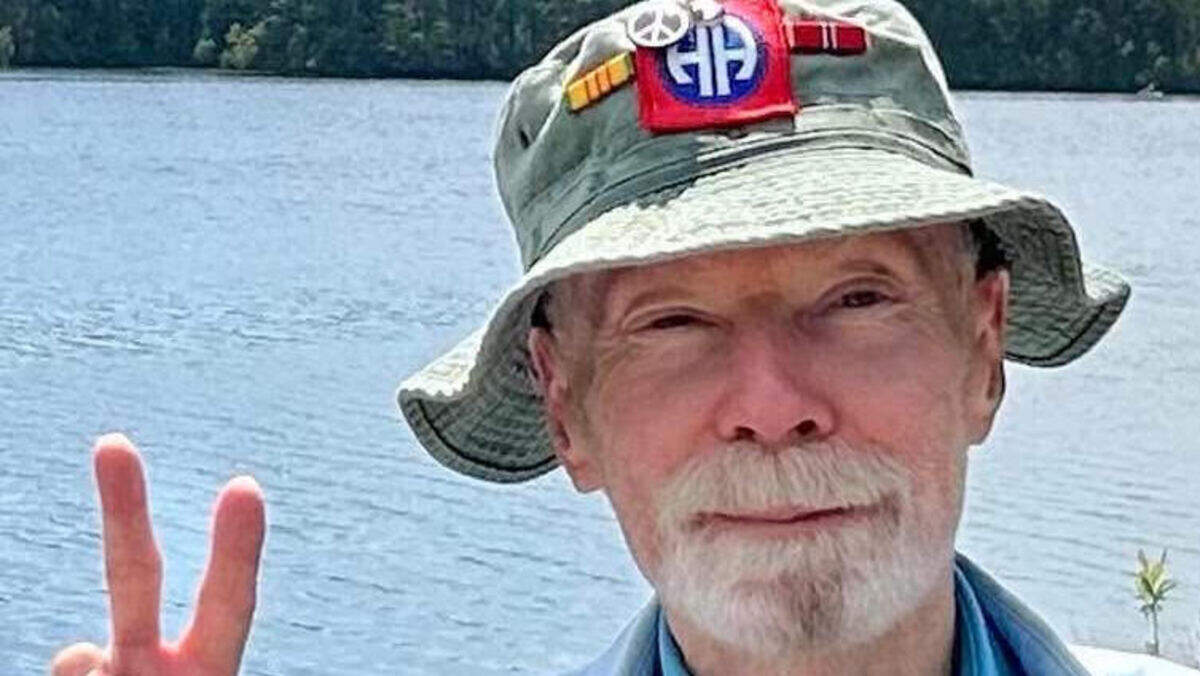
Wade Fulmer
Q: What is your No. 1 priority for the city of Columbia and why?
A: Basic needs, livelihoods, growth for residents and neighborhoods. Residents matter. Not priority: only stakeholders, business stakeholders, greed, wealth. Thus balance toward equality, that kind of economic development.
Q: How will you address local housing affordability and availability?
A: Enough with the “luxury apartments” excessive building. Moratorium on the “luxuries” ... priority affordable housing ... as well as housing for the homeless. To establish requirements for residents, workers, families, homeless, housing expansion of programs. Ratio that for every high-end apartment there be a new or in process of renovation “residential property” affordable for households.
Q: Grade Columbia’s approach to homelessness. What would you do differently?
A: Again, requirement for housing for all by special projects, priority to homelessness such as “tiny houses” projects as in Sumter, as in other states. Levels of housing to provide for transition from temporary to quality rentals. Not “luxuries” emphasis overdevelopment.
Q: How specifically would you reduce crime and improve public safety?
A: Neighborhood coalitions that residents are not less priority than downtown joint security responsibilities. Business owners’ and residential neighborhoods’ balance to be achieved. Of course, additional community-city efforts to reduce firearms, increase penalties for illegal possession. Additional late-night driver’s license check stops to also note probable cause of intoxication checks.
Q: What would you do to capitalize on economic development in Columbia?
A: Again, balance equalizing emphasis for affordable housing. Necessary for growing and maintaining quality workforce incentives.
Q: How will you maximize and protect Finlay Park after its $25 million renovation?
A: Routinely involve community participation, volunteers to inspect for preventive deterioration. Also, volunteers to (help) police the park itself within specific park open times.
Q: If the state threatens to withhold funds from the city again, how will you respond?
A: This is the capital city. The City’s “legal office” has shown what seems to be priority of avoidance of its duties for residents’ health and order, its responsibilities to promote and prosecute, perhaps its ability to do real legal case work. Rather it seems to cater over-protective “advice” to mayor, Council and favored divisions.
When the city turns away pro bono offers by prominent attorneys to challenge state intimidation and bullying sounds familiar to very partisan to “ruling” politics. Our resources are to stand up, speak up for our residents, for health and order. Utilize city liaison AND take to court as “home rule” or other. Certainly to cower away without challenge, whether home rule or other, only encourages more demands from the state theatrics and wrongful overreach to control city governance.
Q: List one budget cut and one new expense you think is necessary. Explain why.
A: A cut of higher level salaried positions employment. Instead department managers assisted by more well trained workers for the details, duties on the ground, or in the courtroom duties.
New expense, not to wastefully throw at, but mental health information and referral AND incorporate assistance and training to assist and for first responders.
Q: What is one issue we didn’t mention that deserves more attention and why?
A: Overly expensive and intrusive beautification, while, again, ignoring neighborhood needs of health and order. Also needed more duty to identify obstructed or neglected roadways / signs / deterioration of roads, including neglected separations/potholes, both dangerous and costly to auto owners.
Q: Why should voters choose you over your opponents in this election?
A: Empathy, truth, duty, experience.
Good governance requires experience, true discernment, lawful advice, duty for and with the people. Requires action, response, health and order duty intent, follow through rule of law and accountability.
My duties journey began with school year’s paper routes and in the textile mills of Graniteville. Then to Army infantry Vietnam, to USC, to businesses and to state agencies of health regulation, criminal justice, casework, administrative services and enforcement vocations. Included were health/accounting analyst positions, case work management and supervision of clients and compliance teams. I have worked advocacy and activism for healthcare, veterans, peace and justice, truth and accountability.
There are two prevalent mayoral issues:
1) There is need for top of chain new mayoral leadership of necessary discernment and duty to communities’ residents.
2) System and mayor’s duty require response, reply, transparency, accountability and truth, togetherness for residents’ health and order needs. No more advised mayor’s decisions, council meeting culture of silence, rhetoric, distraction or allowing or enabling of health and order violations or harm. No more convenience of non-discernment, advice sweep around or under, unnecessary delay or inaction, or ignoring collateral damage of victims.
It is a mayor’s watch duty that there be due response action and formal replies to concerns of residents, workers, families, retirees. Health and order shall remedy complaints and violations. It is mayoral duty to end non-enforcement of violations and repetitions, to end any city system of preference for favored special interest or for advice of convenience for privilege.
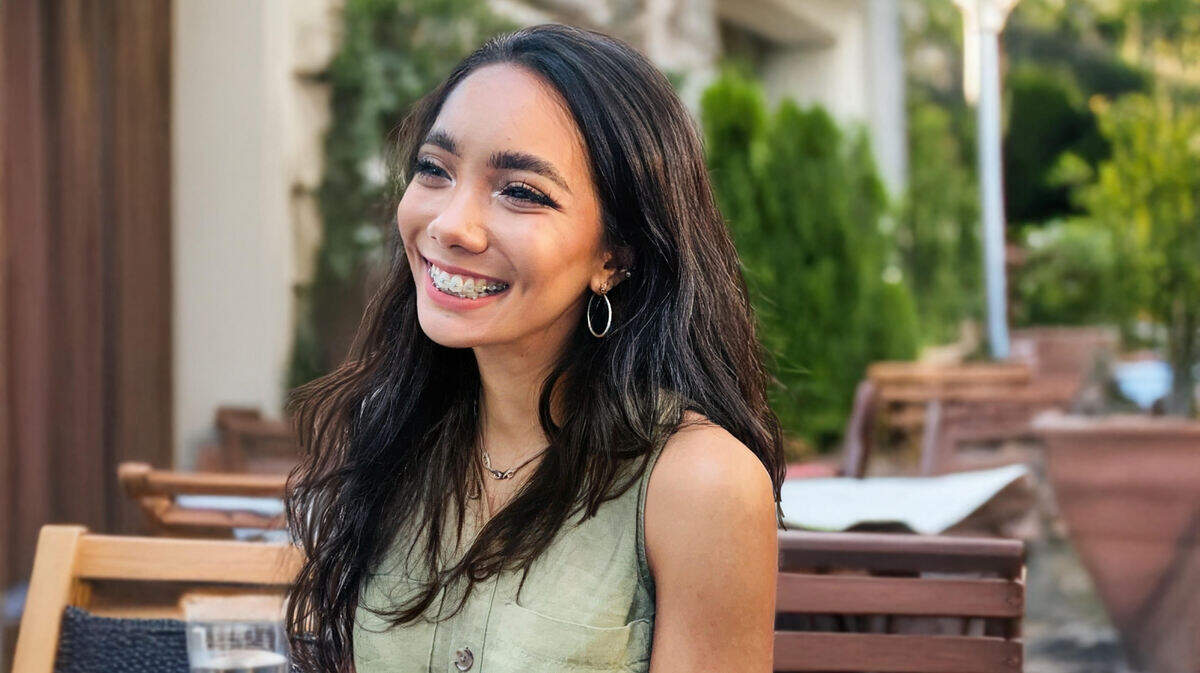
Jessica S. Thomas
Q: What is your No. 1 priority for the city of Columbia and why?
A: My top priority is increasing opportunity and maximizing affordability. Too many families in Columbia are being priced out of the very neighborhoods they built. If we want to grow as a city, we have to make sure people can afford to live, work and thrive here, not just survive.
Affordability isn’t just an economic issue, it’s a moral one. Too many Columbians are working multiple jobs just to make rent, while opportunities for advancement keep slipping away. We can’t thrive as a city if families are barely surviving.
By lowering barriers to housing, investing in people and creating pathways to wealth mobility, we can build a Columbia where success isn’t reserved for a few, but possible for all. Columbia sits at the heart of South Carolina, chosen as our capital because we are the connector, the bridge between regions, people and possibilities. But opportunity must be shared.
Our working families need support, and our small businesses, the backbone of this city, need a chance to grow. I truly believe this is our moment to carve out Columbia’s true identity: not overlooked, not underestimated, but a truly prosperous city for anyone, from all walks of life, any ZIP code and race, with any dream. A city where young graduates can put down roots, where no 40-year Shandon resident fears displacement, and a city where working families finally have the chance to breathe, to grow and to pass on something better to the next generation.
Q: How will you address local housing affordability and availability?
A: We don’t just need more housing. We need fair housing. I’ll fight to establish fair rent standards tied to income, expand affordable housing through public-private partnerships, and ensure new development includes workforce housing, not just luxury units.
Mental health first housing initiatives, paired with job pipelines and wraparound services like mental health care and addiction recovery, will keep families housed and stable. No one in Columbia should feel like they have to leave just to live well.
Q: Grade Columbia’s approach to homelessness. What would you do differently?
A: Columbia’s current approach deserves a C at best. It’s piecemeal, underfunded and often criminalizes instead of humanizes. Homelessness is not a moral failing; it’s a systemic failure.
I would expand housing-first models with supportive services, coordinate mental health and addiction treatment, and invest in workforce development so people can stay housed long-term. Dignity means more than four walls. It means stability, care and opportunity.
Q: How specifically would you reduce crime and improve public safety?
A: We can’t police our way into safety. We must invest our way into safety. That means expanding youth opportunity programs to prevent crime before it happens, increasing access to community-based mental health care, and ensuring people have affordable housing and steady work. At the same time, I’ll push for accountable, community-based policing where officers are trained, trusted and visible in neighborhoods, not just reactive after tragedy. True safety is when every Columbian feels secure in their home, school and street.
Q: What would you do to capitalize on economic development in Columbia?
A: We have to grow smarter, not just bigger. I’ll prioritize small business support, by cutting red tape and expanding access to capital. We need to make Columbia an energetic, moving hub for jobs and innovation while also strengthening local supply chains so businesses don’t have to look to Greenville or Charleston for basic resources. Economic development should mean building wealth in our neighborhoods, not only welcoming outside investors.
Q: How will you maximize and protect Finlay Park after its $25 million renovation?
A: Finlay Park should be the crown jewel of Columbia, not a neglected afterthought. After the renovation, I’ll make sure it’s maintained with dedicated funding, active programming and strong partnerships with local organizations.
However, we can go further. I have been doing research on the initiatives already started by the City Council, and I would like to piggyback on reimagining the city of Columbia. That means using Finlay Park not only as a place to play and relax, but also as a hub for civic life: voter registration drives, community forums, cultural festivals and neighborhood gatherings. A safe, clean and vibrant park should feed both our spirits and our democracy. Finlay Park must be a true people’s park, accessible, welcoming and alive with activity all year long.
Q: If the state threatens to withhold funds from the city again, how will you respond?
A: I would say to those individuals threatening us, “Bless your heart.” As extra context, I am a strong advocate for “home rule” and protecting our people.
Q: List one budget cut and one new expense you think is necessary. Explain why.
A: I would cut the extra spending on the items that should be lower on the list of our priorities as a City Council. I am hesitant to say specifically what budget cut I would make until I am afforded the opportunity to take a comprehensive look at all of our budget items in the full context of Columbia affairs. However, I do know that I intend to have a more practical approach and would focus on fixing some essential needs for our citizens, such as addressing the food deserts in 29203, parts of 29204 as well as 29201 and other areas of our city.
Another priority for essential expenses would be our water and sewer systems. We were, thankfully, recently awarded some FEMA support to upgrade our systems. However, I intend to ensure ALL of our citizens from all parts of the city have more than adequate access to clean, safe, PFAS free water.
Q: What is one issue we didn’t mention that deserves more attention and why?
A: I think that we should talk about implementing ranked choice voting in our elections. We have seen how it has increased voter turnout, especially among younger people. It generally reduces polarization and allows more people to come together, rather than separating themselves out. It also gives voters the opportunity to use the full extent of their power when they are at the ballot box. It allows people to maintain a sense of agency, and also feel hope when they vote, because they are choosing the full slate of who they would want, instead of picking the lesser of two evils. And it saves time and money, allowing us to have a better ballot here in Columbia!
Q: Why should voters choose you over your opponents in this election?
A: I have different priorities that I truly believe would work better for our city. I am a working class individual, tried and true, one of the people. I am idealistic, perpetually hopeful, and I believe this is our moment to rewrite the possible for everyone in this community who has ever been overlooked, underpaid, unheard or told to wait for better. Regardless of where you fall on the political spectrum, we all feel the change in the air. This is our moment to ensure that Columbia has leadership that reflects its truest values, and works to ensure that our home stays our home.
This story was originally published October 9, 2025 at 5:00 AM.