
Meet the candidates running for an at-large Columbia City Council seat
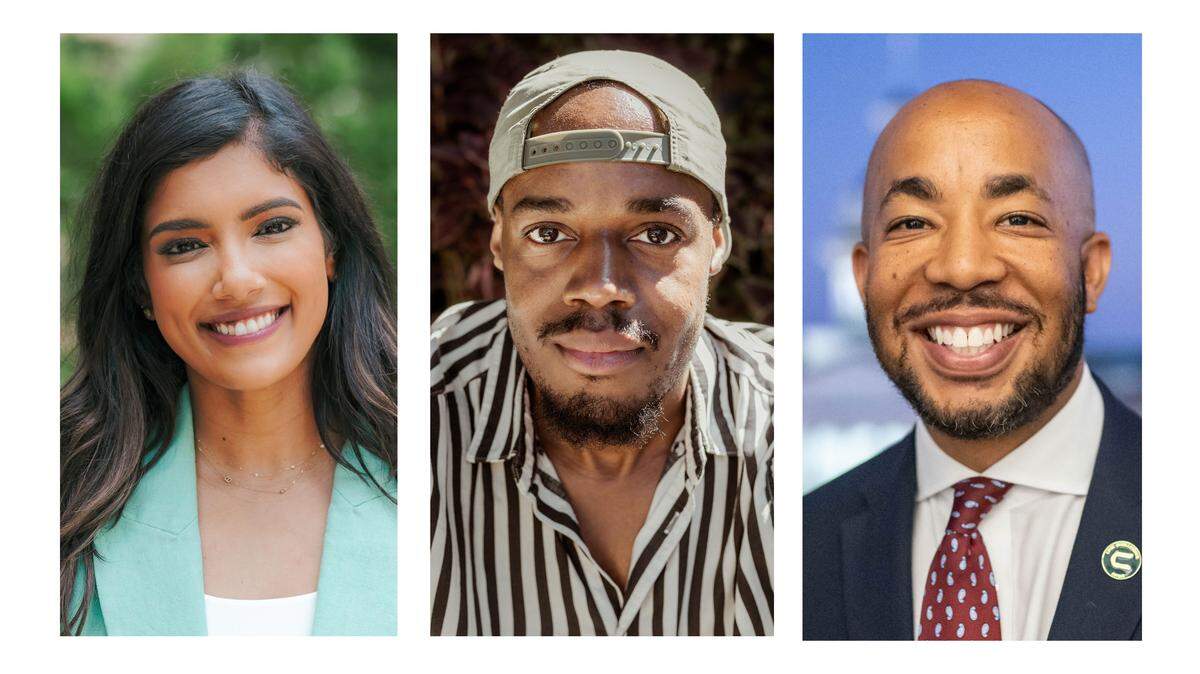
The Columbia City Council election for an at-large seat has four candidates running for a four-year term through 2029. I asked each about their priorities and perspectives. Their answers are below.
Every candidate received 10 questions and 250 words for each answer. One did not reply. Interviews were edited for accuracy, clarity and style and published in their entirety. The McClatchy South Carolina Editorial Board will publish an endorsement in the race, but we are publishing Q&As first so readers can assess the candidates on their own. Early voting begins Oct. 20, and Election Day is Nov. 4.
Find an early voting location here. Find your polling place here to vote on Election Day. If this public service helps, please consider supporting our journalism at thestate.com/subscribe. Your subscriptions and support make this massive undertaking possible, so thank you for reading this. If you have questions about our interviews or endorsements, please email me.
Meet the candidates
Tony Bowen
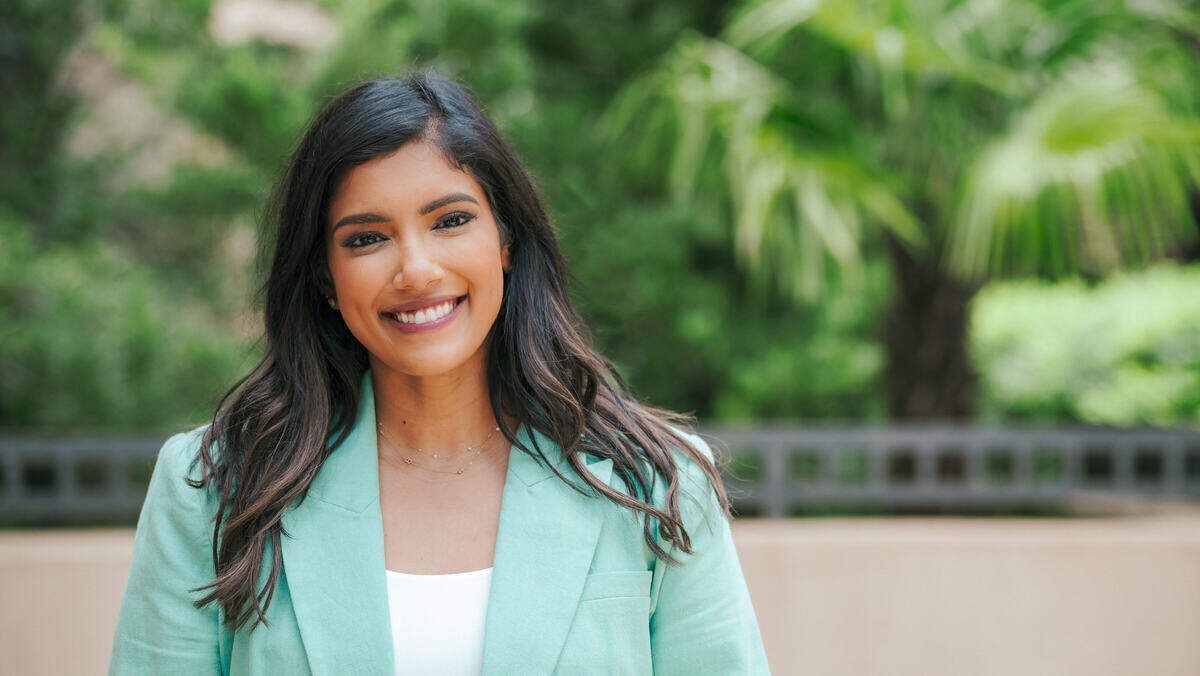
Councilwoman Aditi Bussells
Q: What is your No. 1 priority for the city of Columbia and why?
A: Public safety remains my No. 1 priority because it is the foundation for everything else. Families should feel secure on their streets, and first responders should always have the tools they need to protect us. And when neighborhoods are safe and cared for, businesses grow, jobs follow, and schools and parks thrive. We are also making historic progress in economic development, bringing good jobs to all communities, and we’re not done yet.
Q: How will you address local housing affordability and availability?
A: Housing has to be within reach for the people who call Columbia home. I will push the city to move faster on permits and inspections, so projects don’t stall. We need more options like duplexes and townhomes that families can actually afford, and we are exploring pilot projects to turn vacant city-owned lots into single-family homes for city workers.
City land can also be used to create more mixed-income housing that strengthens neighborhoods, and we are doing just that. I believe in helping workers live closer to their jobs and protecting renters through strong code enforcement.
For families looking to buy their first home, the city should be a partner in opening that door, whether through support programs, incentives or innovative partnerships with developers.
Finally, I have voted against every single tax and fee increase that has come before council because families need all the relief they can get right now.
Q: Grade Columbia’s approach to homelessness. What would you do differently?
A: For the first time in more than a decade, we are taking real action instead of letting the problem sit unresolved and pointing fingers.
I spearheaded the launch of Rapid Shelter Columbia, which has brought services inward and engaged populations that are often hard to reach.
In just three years, more than 100 people have moved from tents into permanent housing. Homelessness cannot be solved by the city alone.
Federal funding must be stronger, community providers must work together, and regional and state partners must share responsibility. Columbia cannot carry the burden alone.
If re-elected, I will strengthen the pipeline from rapid shelter to permanent housing, expand on-site mental health and substance use services, and increase outreach for those who need them most.
Q: How specifically would you reduce crime and improve public safety?
A: As a former public health researcher working with at-risk families, I have been committed to getting to the root causes of crimes so we can develop lasting solutions, not just Band-aids.
Additionally, I’ve worked hard with council to raise pay for police and firefighters. We invested in new vehicles and equipment. We also secured barricades and added security tools for major events.
Stronger community policing, better lighting and cameras in high-need areas have made neighborhoods safer. I created Lock It Up Columbia, which has distributed hundreds of free gun locks throughout the city, and we are enforcing the lost-and-stolen firearm reporting ordinance.
These aren’t just words, they are results: fewer police vacancies and a steady reduction in violent crime over the last three years. For too long, problems were ignored. Now we are addressing them head-on, and we’re just getting started.
I will continue expanding community-based solutions, strengthening neighborhood partnerships and ensuring every family in Columbia feels secure in their city.
Q: What would you do to capitalize on economic development in Columbia?
A: For decades, Columbia lagged behind other cities in South Carolina because our local governments made it difficult and expensive to do business here. Since I was elected, Columbia has seen a historic level of new investments in good jobs. We are turning a corner.
We need to continue to make it easier to do business in Columbia, and over the last three years I’ve taken concrete steps to make that happen. We moved business licenses online to cut red tape, welcomed around 40-50 new businesses a year, created a dedicated business recruiter, rebranded Columbia to tell our story, and consolidated underused city real estate to reinvest in community priorities.
Looking ahead, I am focused on building density downtown, better connecting our business districts, and keeping talent from our universities in Columbia. That means supporting entrepreneurs, providing resources to small businesses and creating pathways for first-time business owners. Programs like Food Truck Fridays give new entrepreneurs a chance to build capital and experience so they can eventually open storefronts.
By strengthening our local business ecosystem and fostering innovation, we can retain talent, grow jobs and ensure Columbia remains a vibrant, opportunity-filled city for all.
Q: How will you maximize and protect Finlay Park after its $25 million renovation?
A: We must ensure Finlay Park never falls back into the years of neglect we saw previously. I am committed to keeping it safe, well-maintained and active every day, with dedicated park rangers, public safety officers, a clear maintenance plan and ongoing programming.
From the start, we leveraged the city’s own talent, and planners, builders and staff were directly involved in designing and preparing for the park’s future. That ownership makes all the difference. Programming is key: Partnerships with arts groups, youth organizations, fitness programs and small business vendors will bring energy and activity. I’ve also been vocal about walkability, and one of my priorities is a road diet to better connect surrounding areas to the park, knitting it into daily city life.
Q: If the state threatens to withhold funds from the city again, how will you respond?
A: If the state threatens to withhold funds again, my responsibility will always be to the people of Columbia. Local leaders know how to serve our communities best, and we should be trusted to make decisions that reflect our residents’ needs. Open communication is important and could have avoided such a dispute in the first place.
If necessary, I will also pursue legal remedies while making sure city services remain stable for the people who depend on them most. I will always stand for Columbia. Columbia deserves more financial support from the state to get to the level nearby cities receive, and I’m committed to giving Columbia a seat at the table to get our fair share.
Q: List one budget cut and one new expense you think is necessary. Explain why.
A: I believe we should cut back on duplicative roles, including outside consulting, and make sure any contracts the city does have are tied to real results. With those savings, I would invest in a sustained talent retention package for first responders that includes training, equipment and wellness support. When our teams are safe and well equipped, they save lives and reach families faster in an emergency.
Q: What is one issue we didn’t mention that deserves more attention and why?
A: One issue that deserves more attention is child care. Families cannot work or get ahead if safe, affordable care is out of reach. The city can help by supporting employer partnerships, making it easier to open licensed centers, and using grants to expand options in parts of Columbia that need them most.
Q: Why should voters choose you over your opponents in this election?
A: I show up, listen and deliver. In just three years, Columbia has secured over $200 million for long-overdue infrastructure, attracted more than $1 billion in private investment, and welcomed thousands of good new jobs. With 28 people moving here every day on average, it’s clear our city is growing, and I’m making sure that growth benefits every neighborhood.
I’m not in this for personal gain. This is where my family lives and where my son is growing up, and I want Columbia to be a place every child and every family can be proud to call home. I’m proud of the progress we’ve made, and I know we’re just getting started. That’s why I’m running for re-election: to keep Columbia moving forward.
Tony Bowen
did not respond to the questionnaire or send a photo.
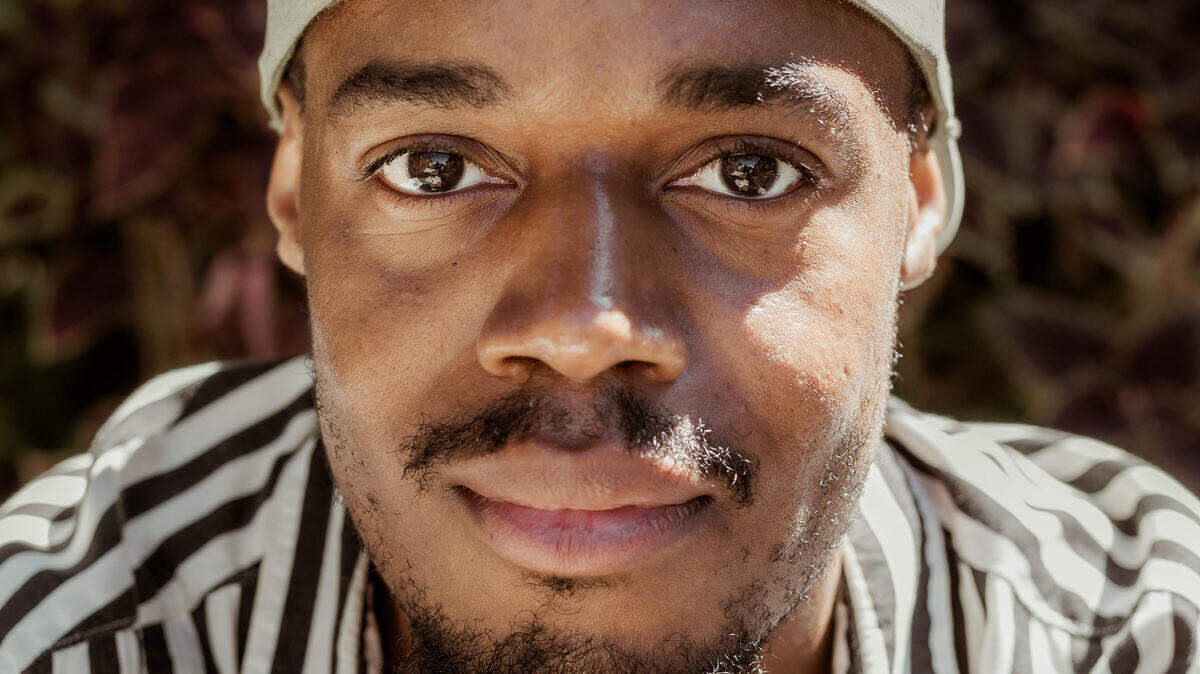
Jared Lee Johnson
Q: What is your No. 1 priority for the city of Columbia and why?
A: My No. 1 priority for the city of Columbia is keeping this city affordable. So many people throughout the city are having a hard time keeping up with costs, and it’s not their fault. Rent is high. Food is costly. And so many hardworking people are having a difficult time meeting basic needs. That needs to change.
As someone who is part of the working and creative class, I can and will bring a working-class point of view to city council. No one on Council understands what it is like to not be able to pay rent or go hungry or worry about daily costs.
That needs to change, and we need representation that reflects real people. We need representation that understands the importance of helping people meet their basic needs so they can thrive and enjoy the city.
Q: How will you address local housing affordability and availability?
A: Local housing affordability can be addressed by the city owning the issue and taking charge of the issue. The city/municipality needs to create new affordable/income-based rental housing. So many people rent but spend over 50% of their monthly income on rent and utlities.
It’s not enough to just partner with the private sector or keep having the same conversation. We need to create the housing ourselves and also pair the new housing with a municipal housing endowment. This endowment would make money within itself and that growth would cover maintenance of the housing, help create more income-based housing, and be a financial lifeline for those who are facing difficulties covering their own housing costs due to emergency or special circumstances.
So many people will lump mental illness and substance use with the housing issue, but that’s only a small part of the issue. Housing and homelessness is truly an affordability issue, and it’s time for the city to support all of those who want safe and modern housing that doesn’t break the bank or their backs.
Q: Grade Columbia’s approach to homelessness. What would you do differently?
A: We are a community. It doesn’t matter if you are an elected official or a concerned citizen. ALL OF US have to own the issue and there is so much room for improvement. We are failing as a city, and yes, you can fail while also trying to address the issue.
The grade is an F but with the right leadership and with the city owning the issue we can get an A and provide housing for all. Everyone deserves a place to lay down and rest and take refuge, and the Columbia I know and live in can provide that.
Q: How specifically would you reduce crime and improve public safety?
A: When people’s basic needs are met, crimes go down. Period. I would address crime by not being sensational. I would address the issue of crime with care and concern. We have to fill the gaps and give people the tools and things they need to survive and grow. People turn to crime because they feel hopeless and they feel there are no alternatives. It’s heartbreaking.
As a councilman, I would have that heart and care and make sure people feel seen and heard and have the basics met. That is how you solve crime. Caring and supporting and being an intercessor or solution before folks turn to crime is the key to stemming it.
Q: What would you do to capitalize on economic development in Columbia?
A: The recent economic development in Columbia has been exciting and the city is doing some cool things, but growth and development can’t be monopolized by a few families or business firms or those who have power. We all deserve to win.
In particular, the city should leverage its recent development and growth and implement a “Percent for Public Art” policy. This approach and policy will allocate 1% of the construction or renovation budget for publicly funded projects or private development projects within the city.
This policy would provide a consistent stream of funding for public art programs and organizations and local artists. There are so many artists in this city, and they deserve funding and the opportunity to create art in Columbia and for Columbia.
Q: How will you maximize and protect Finlay Park after its $25 million renovation?
A: Finlay Park isn’t my top priority. There’s nothing wrong with protecting investments, but I’m more concerned with people and making sure they are invested in and that their needs are met. I love parks and I frequent our local parks, but this city faces an affordability issue and we have to stay focused and put people first.
It would be great to see Parks and Rec expand and create a special night watch position that pays a living wage and that could operate in Finlay and all parks after hours. This could free up precious law enforcement resources while creating new jobs that pay a LIVING WAGE.
Q: If the state threatens to withhold funds from the city again, how will you respond?
A: It’s important for a city to stand strong and listen to its people, and it broke my heart seeing our city’s conversion therapy ban get repealed. I’m the only candidate who put himself and my business on the line and spoke out on the steps of City Hall against the repeal.
Leadership means fighting sometimes, and we cannot be held hostage by state lawmakers when they aren’t working in good faith or working without the will of the people. If the state threatens to withhold funds again, we should take legal action and work with like-minded individuals within our legal community to stop state overreach and abuse.
Q: List one budget cut and one new expense you think is necessary. Explain why.
A: I don’t know it all and won’t pretend to know it all. At this time, I don’t have any proposed budget cuts because any cut will have an impact and it’s important to understand who is impacted from cuts and how those cuts impact overall quality of life in the city. So much thought and research needs to be done before a cut.
But I would love for the city to create a city kitchen that provided free breakfast and free lunch and has an onsite pantry with staples. This city kitchen would be available and accessible for ANYONE and the food would be nutritious and delicious. The city has so much food talent — James Beard Award-winning talent — and we can use those relationships to help craft menus and leverage the power of a municipality to form partnerships with food corporations and local farmers to help provide the food needed for the cafeteria.
I want us to get back to basics and help folks have one less thing and one less meal to worry about. And it can be chic, aesthetically pleasing and modern. And it can be free. So many people face food insecurity, and I want the city and leadership to own this issue, too, and feed people. No one should go hungry in our capital.
Q: What is one issue we didn’t mention that deserves more attention and why?
A: It’s easy to address an issue when it’s visible, but there are so many people in this city who aren’t homeless and who work but they are barely hanging on. Why? Hardworking citizens and those who live here deserve to have their needs met and they should expect their leaders and city to have their backs and help them. Affordability is becoming/is a major issue in the city and tackling that will help stem so many of the major issues we face.
Q: Why should voters choose you over your opponents in this election?
A: It’s important to have leaders who actually do the work and understand the financial challenges that we all are facing. We currently have an at-large incumbent who only focuses on herself and has shown that she has no real interest in genuinely connecting unless it gets her good press.
And while I like Sam, it’s not enough to rely on the cachet of working with a former mayor and being part of the political elite and only showing up when it’s election season or running for at large because it’s a calculated convenience or seen as an easier run compared to running for mayor or within his own district.
Enough with those who use the platform to become influencers. Enough with those who seek power or ask for elected power because it helps their business or they feel entitled to it due to past jobs and connections. There is no one on council who is working class, and the working class deserves to be heard.
I’m proud of being a working-class artist and organizer, and that experience has given me the ideas and vision to help move us forward and keep Columbia affordable for all. Voters should choose me because I care. I care because I face the same issues they do and I understand. Voters should choose me because I’m genuinely one of them and they are me and together we can move this city in the right direction.
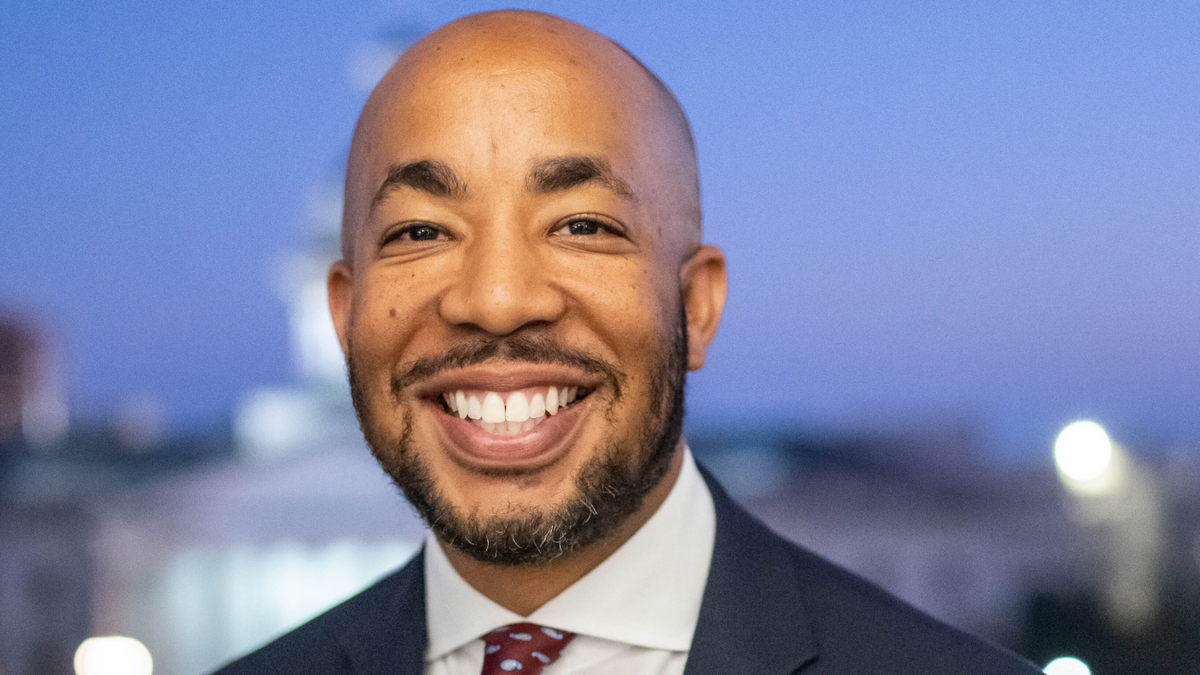
Sam Johnson
Q: What is your No. 1 priority for the city of Columbia and why?
A: Columbia doesn’t lack ideas or opportunities. What we lack is consistent, strategic collaboration across our institutions and governments. We are a city with enormous potential, but we face complex challenges — homelessness, economic development, talent retention, housing affordability and aging infrastructure, especially water and sewer systems — that cannot be solved in silos.
Too often, our city, county, business community and neighborhood leaders are working separately, when real progress requires us to work together. To move forward, we must build stronger partnerships with the county, our local universities, colleges and technical college systems, the private sector and community leaders.
That means creating joint task forces, aligning budgets and priorities and establishing shared accountability for outcomes. It also means listening to residents and making sure solutions are inclusive, equitable and responsive to their everyday needs. Collaboration is also how we fully staff and support our first responders, expand affordable housing, address homelessness with service providers, and unlock economic development opportunities, from strengthening small businesses to investing in the arts as a driver of growth.
As a member of City Council, I would champion a culture of collaboration, breaking down barriers between agencies, bringing people to the table and focusing on long-term, regional solutions. Columbia’s future depends on our ability to work together, and I’m committed to leading with that mindset from day one.
Q: How will you address local housing affordability and availability?
A: We have to ensure every citizen of Columbia can realize the American Dream of homeownership. Whether you’re a college graduate looking to put down roots, a young family trying to buy your first home or a longtime resident wanting to stay in the neighborhood you love, housing should be within reach. Right now, too many of our residents are being priced out or pushed out, and that’s just not acceptable.
To change that, we need a stronger, coordinated approach. That means working with developers, neighborhood leaders and Richland County to expand affordable housing options, strengthen incentives for responsible development and rein in unchecked short-term rentals that drive up costs and destabilize communities.
This challenge won’t be solved overnight, but with consistent collaboration and accountability, we can make meaningful progress, so every resident, in every neighborhood, has the opportunity to actually thrive right here in Columbia. Housing should be within reach for every single resident and the only way we get there is through real collaboration and tangible accountability.
Q: Grade Columbia’s approach to homelessness. What would you do differently?
A: For years, the city of Columbia has struggled to provide a long-term, sustainable solution that both treats our unsheltered neighbors with dignity and addresses the real challenges that homelessness presents for our downtown neighborhoods and small businesses.
While steps have been taken — like the Rapid Shelter initiative — the reality is that this crisis persists. And the truth is simple: The city of Columbia cannot solve this alone. Much like housing, this challenge also demands collaboration — collaboration from the city, the county, our service providers and legislative delegation, the business community, local neighborhoods and the faith community all working together. What’s been missing is not the will to act, but the consistent, strategic collaboration to create a shared plan with accountability.
We also need to rethink how we deliver services. Too often, those experiencing mental health struggles or substance abuse are caught in a cycle of temporary detainment, which doesn’t address the root cause. Columbia needs a dedicated treatment facility that offers care, not just containment. By partnering with proven (data-driven) nonprofits, we can provide the scale of services needed to move people toward stability, and ultimately, toward the possibility of homeownership.
Again, homelessness is not something that will be solved overnight — there is no “quick fix,” but with consistent leadership, compassion and collaboration, Columbia can finally make meaningful progress. That’s the kind of leadership I intend to bring to City Council.
Q: How specifically would you reduce crime and improve public safety?
A: The first step to improving public safety in Columbia is making sure our first responders have what they need to keep us safe. Right now, our police department has close to 80 vacancies. That means the officers we do have are stretched thin, responding to call after call with little time to build the necessary relationships that make communities safer. When our police and fire departments are fully staffed and supported, they can spend more time in neighborhoods, forming the deep connections that deter crime before it happens.
Second, we must address the proliferation of guns in our community. When I ran for mayor in 2021, I proposed requiring fines for stolen guns that go unreported, and I’m proud that City Council has since implemented that policy. But we’ve also taken steps in the other direction. Commonsense ordinances that have kept guns out of parks and away from schools have been repealed, making our city less safe. We need to restore and strengthen those protections.
Finally, true public safety requires investing in our children. Too many young people are being lost to violence. Working closely with our schools, we must ensure every child has access to resources, mentorship and safe environments that give them real opportunities to succeed. Bullets don’t just harm one person. They devastate families and entire communities. Preventing that pain means investing early and investing consistently. That’s how we build a safer Columbia, with law-abiding citizens, together.
Q: What would you do to capitalize on economic development in Columbia?
A: By state statute, the city of Columbia doesn’t authorize incentives on its own. Any economic opportunity we pursue requires a partnership with Richland County since County Council must approve the incentives. That’s why one of my first priorities would be strengthening our working relationship with the county to ensure Columbia doesn’t miss out on opportunities at our doorstep.
The largest untapped economic opportunity we have is our riverfront. One of my top goals would be to continue working with our property owners to make this a reality. Developing this asset would give Columbia one of the most unique features of any city in the Southeast, a place where people can live, work and play along the water. With recent progress on the Vista Greenway and Boyd Island, we now have the chance to connect neighborhoods and families to this vision like never before.
I’m also deeply invested in the BullStreet development, which I helped spearhead during my time as Mayor Steve Benjamin’s chief of staff. Its continued buildout is critical to Columbia’s future. The University of South Carolina’s new medical school on the site has the potential to anchor growth in life sciences, health care and related industries that will reshape the fabric of our economy.
But here’s the thing: Economic development only works if every Columbian feels connected to it. We have to make sure opportunities are inclusive, that neighborhoods, small businesses and residents across the city share in the benefits and feel ownership in our city’s future.
Q: How will you maximize and protect Finlay Park after its $25 million renovation?
A: Finlay Park is one of Columbia’s most iconic public spaces, and its $25 million renovation represents more than just a facelift. It’s a major investment in our city’s quality of life — an opportunity to reimagine what this park can mean for our city. As a member of City Council, I will work to ensure this investment becomes a foundation for long-term success, safety and inclusivity.
First, we have to protect the physical investment. That means consistent funding for maintenance, security and programming so the park stays clean, safe and welcoming for families, seniors and young people alike. We cannot let it fall back into neglect.
Second, we need to be honest about the park’s history. For years, many of our unhoused neighbors sought refuge there. Simply displacing them isn’t a solution. I’ll advocate for a coordinated approach with service providers, housing partners and nonprofit organizations to connect people with transitional housing, mental health care and job training, giving them a real path forward.
Finally, we have to activate the park with purpose. I envision Finlay Park as a hub of community life, with regular cultural events, youth programming and opportunities for neighbors to come together. When we invest not just in infrastructure, but in people, we create spaces that are vibrant, inclusive and transformative. Finlay Park should be more than a landmark. It should be a place where everyone is welcome.
Q: If the state threatens to withhold funds from the city again, how will you respond?
A: For much of South Carolina’s history, local governments operated under the strict control of the state legislature. That changed in 1973, when the state legislature added the Home Rule Act to the state’s Constitution, granting cities and counties the authority to govern themselves in several areas unless expressly limited by the state.
This history is important because recent threats by state leaders to withhold funds from the city of Columbia fly in the face of the Home Rule Act. If state leaders disagree with local decision(s), they have the authority to introduce legislation and make their case through the proper process. What they cannot do is bypass that process and weaponize funding as a “shortcut” to score political points. This undermines the rule of law and, ultimately, punishes residents for political disagreements.
I believe the matter of “home rule” is an important tool in a city’s quiver. It is essential to the progress of Columbia. Oftentimes the city of Columbia has led the charge and passed key measures before the state has acted. Columbia has been able to do this through home rule.
Our ability to lead locally is part of what makes Columbia strong and responsive to its people. As a member of City Council, I will defend our right to govern ourselves. If necessary, I believe this is a matter the South Carolina Supreme Court should decide. Preserving local autonomy isn’t just about policy, it’s about making sure Columbians have a voice in shaping the future of their own city.
Q: List one budget cut and one new expense you think is necessary. Explain why.
A: When it comes to budget cuts, I believe we need to look closely at the efficiencies we can gain by consolidating services that both the city of Columbia and Richland County already provide. Two excellent examples — Economic Development and Community Development.
Right now, they often operate in silos when they should be working hand-in-hand. Consolidation could not only reduce duplication and save taxpayer dollars but also make it easier for residents to navigate government services. This is especially important given the many “donut holes” across our community where someone may live just yards apart in the city or the county.
Similarly, when it comes to economic development, our city’s water utility is a powerful tool that can be better leveraged in coordination with the county. A seamless, regional approach would pay dividends for all of us.
On the expense side, I believe Columbia must prioritize public health. A recent survey ranked us in the bottom third of unhealthy cities, and the disparities are stark: In some neighborhoods, life expectancy is 83 to 87 years, while in others it is just 64 to 67. That is simply untenable.
If we want to be a city where every resident has the chance to thrive, we need to take health seriously. I would propose creating a chief health officer role to help us coordinate with healthcare systems and lead citywide efforts to close the gap and improve outcomes for all Columbians.
Q: What is one issue we didn’t mention that deserves more attention and why?
A: Next year, Columbia will celebrate its 240th birthday — a milestone that should inspire us to reflect on our proud history while recommitting to the hard work of building a stronger future. But with that legacy comes historic infrastructure, and right now, too many of our residents are living with the consequences of systems that have been neglected for too long.
From Eau Claire and Greenview to Shandon and Old Woodlands, families are dealing with potholes, broken pipes and aging water and sewer systems that disrupt daily life. These issues aren’t just inconvenient; they affect public health, public safety and economic development.
We cannot celebrate Columbia’s legacy while ignoring the very foundations that make daily life possible. Infrastructure is more than concrete and pipes. It’s about dignity, access and opportunity. Families deserve to know the water that comes from their tap is safe. Businesses deserve confidence that the systems they rely on will work. As a City Council member, I will fight for a citywide infrastructure strategy that is proactive, equitable and transparent.
That means accelerating road repairs, modernizing water and sewer systems, and making sure every neighborhood, regardless of ZIP code, gets the attention it deserves. It also means being smart in how we fund improvements, by leveraging state and federal dollars and working collaboratively across governments. Columbia’s 240th year should be more than a celebration. It should be a turning point toward real investment in our city’s future.
Q: Why should voters choose you over your opponents in this election?
A: Voters should choose me because I’m the candidate who does more than talk. I’ve built things, stood with people, and led with purpose. From the BullStreet redevelopment to the Columbia SC 63 initiative, to helping establish the Soda City Farmers Market and Famously Hot New Year on Main Street, I’ve been blessed to be involved in some of Columbia’s biggest wins.
Between my time in the Mayor’s Office under Mayor Steve Benjamin and my time at Maynard Nexsen working under Mayor Bob Coble, I’ve had the privilege of working alongside Columbia’s prior two mayors to move this city forward. Simply put, I love Columbia. While she’s not perfect, she’s an amazing city that can soar to new heights.
We have challenges: homelessness, housing affordability, public safety, similar to any other city, but we also have assets and opportunities that make us unlike anywhere else. What we need are leaders who are present every day, not just during election years, and who are committed to tackling these issues head-on through collaboration and accountability.
I believe leadership starts with listening. I’m your neighbor, and I know the strength of Columbia comes from its diversity of voices. My promise is simple: It’s About You. That means I’ll work with Richland County, our schools, faith communities, housing advocates and service providers to find solutions that are inclusive and long-term. I’ll show up, follow through and make sure residents see results. That’s the kind of leadership I’ll bring to City Council.