
A new review of Scott Spivey’s death offers a chance for justice in SC | Opinion
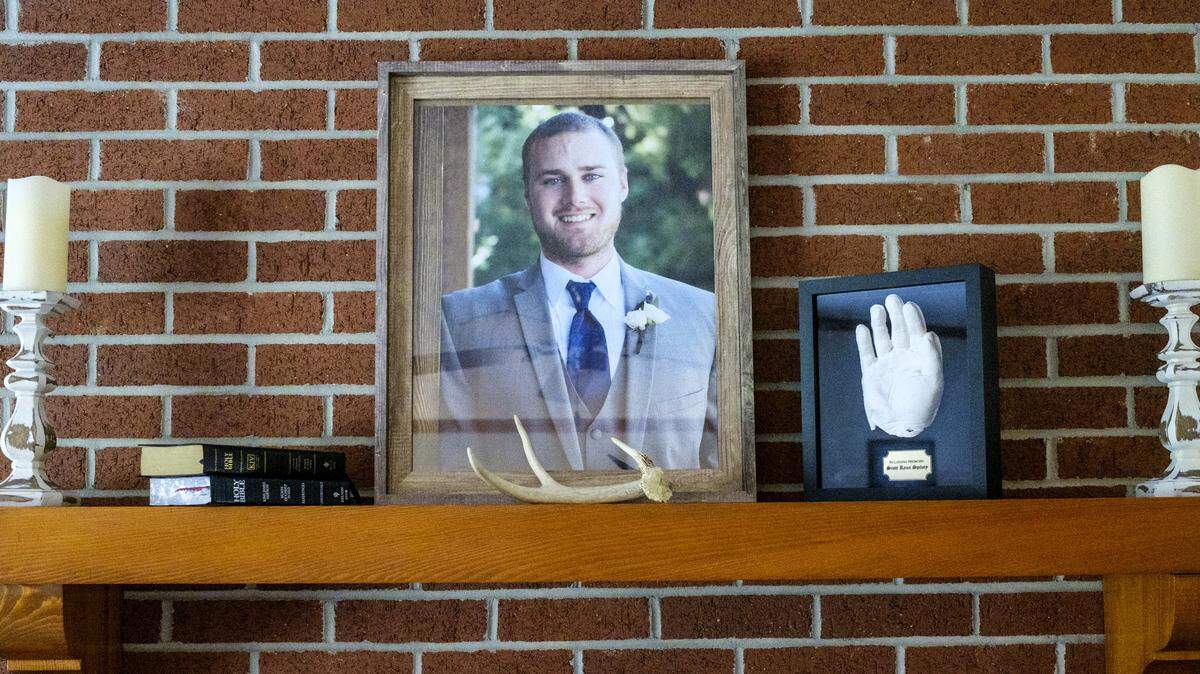
Nine miles. That’s how far two men in a pickup truck chased another man in a pickup truck before killing him during a shootout in South Carolina in 2023. The incident was deemed self-defense and the two men walked free.
One of them is good friends with Horry County Police Department officers who investigated the shooting. Some key evidence was later discovered to have been mislabeled, and one police officer urged the men to act like victims at the scene of the shooting while the dead man’s body wasted away in the Southern summer sun.
His body remained in his truck as it was towed several miles away.
Such a story has all the hallmarks of a Hollywood movie that relies upon Southern stereotypes, complete with the episode beginning as a road rage incident, and all three men heavily armed in a state awash in guns and testosterone.
But it’s all too real.
It is among the most baffling stories I have ever heard, especially with its new twist.
The case has even ensnarled a top candidate running to be South Carolina’s governor next year, Attorney General Alan Wilson. His office announced weeks ago it would not be moving forward with criminal charges.
Unlike Wilson, I think South Carolina’s stand your ground” law is idiotic and extreme and seems perfectly designed to encourage men — yes, it is mostly men — to escalate misunderstandings and run-ins into unnecessary death matches.
But in a letter dated Oct. 3, Wilson’s office asked the Spartanburg County solicitor to review the shooting death of North Carolina man Scott Spivey by South Carolinians Weldon Boyd and Kenneth “Bradley” Williams.
A spokesman said Wilson is asking the solicitor to review the South Carolina Law Enforcement Division’s investigation into Horry County Police’s handling of the case. Spivey family lawyer Mark Tinsley called it “the best thing that’s happened in the case since I got involved.”
Maybe that means the Spivey family will get its day in court. Or maybe that means Wilson is coming to his senses. Either way, it is a welcome development.
If Wilson’s original assessment of what happened in this case stands, it makes South Carolina less safe. It will encourage more men — and, yes, it is almost always men — to pick up weapons and confront each other instead of walking away from tense situations.
And though Wilson the attorney general has told us he believes that is the right legal position to take, Wilson the gubernatorial candidate has not said in unequivocal terms if Wilson the governor wants that to be the environment of the state he hopes to lead.
It’s hard to believe this story is not fiction.
The shooters were told how lucky they were that the man they killed was not Black, suggesting there would have been a more intense media reaction had he been.
The state’s top prosecutor told the dead man’s family that his killers could have maybe argued in court that they chased him that far to make a citizen’s arrest, and that is among the reasons the attorney general would not bring forward any criminal charges.
But the dead man’s family refuses to rest until it gets justice. After filing its lawsuit, the family was made aware of several hours of recordings made by one of the shooters.
In them, the two men who killed Scott Spivey brag about killing him. And laugh.
“I had a f------ blast,” one says during a phone call with the other. “I know it’s f----- up. ... I had a good time.”
“I feel no remorse for that dude,” the other replies.
A lack of justice is not new.
I know the “justice” system is far from just, knowing men serving long prison sentences based on next to no evidence, including Conway man Jamar Huggins who was found guilty and given a 15-year-prison sentence in 2014 solely on the word of a crack-addicted woman who changed her story on the stand.
The Taylor family of McClellanville can’t get an apology from the Federal Bureau of Investigation and Grand Strand police departments who initiated and contributed to 13 years of hell the family endured after being falsely accused of kidnapping, raping and killing a 17-year-old girl and feeding her body to alligators in 2009.
But the Spivey case stands out and is so bizarre because it includes the closest thing we will likely get to documented police corruption in a case that proves the existence of the much discussed but hard to pin down good ol’ boys’ network.
Soon, we’ll know what the Spartanburg County solicitor believes.
Issac J. Bailey is a McClatchy opinion writer in North Carolina and South Carolina.