
Editorial: Now it’s SC Senate’s turn to compromise on road-repair plan
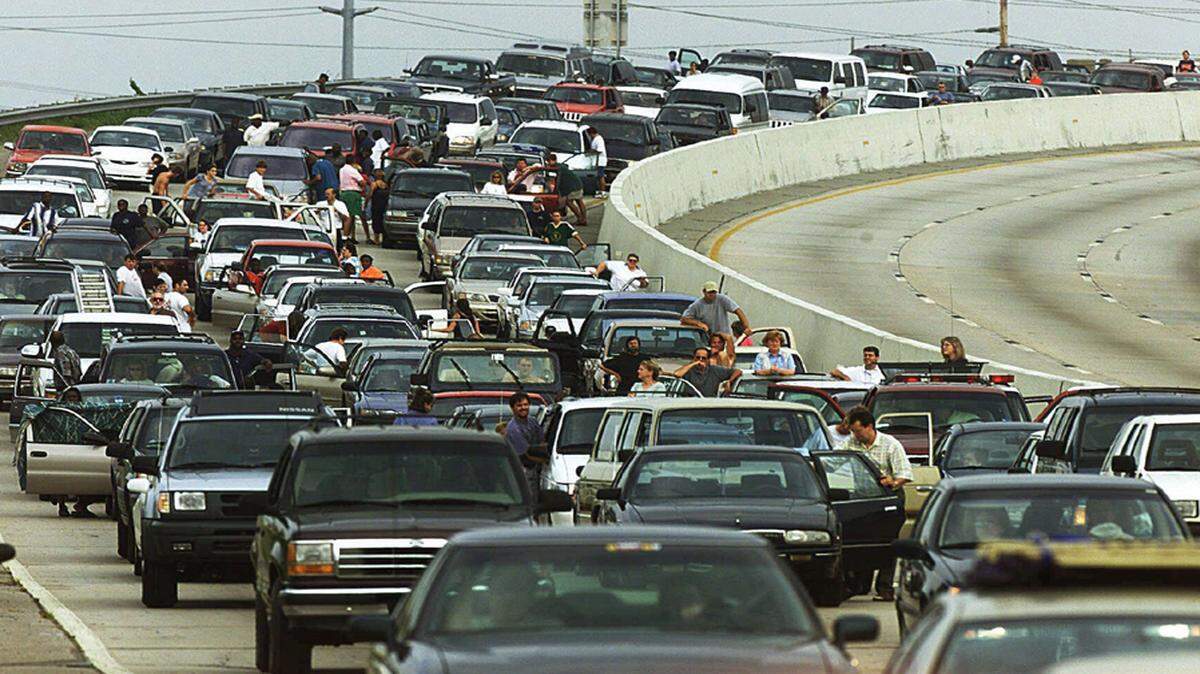
IF WE COULD write South Carolina’s road-repair bill, we’d start by improving the chance that our tax dollars are spent on the most critical repairs and improvements: Abolish the Legislature’s parochial Transportation Commission and give the governor control of the Transportation Department. Eliminate the Transportation Infrastructure Bank, or at least stop letting two legislators control it. Impose a fix-it-first requirement that consigns such boondoggles as a new interstate highway to a do-it-last (read: never) list.
Fixing such a massive problem — it’ll cost $400 million a year to keep our roads and bridges from deteriorating further, $1.5 billion to fulfill every wish the vote-trading transportation commissioners can dream up — will require a large tax increase. If we couldn’t raise that money as part of an overhaul of our tax system, we’d at least avoid making our loophole-laden system even worse: Eliminate the sales tax exemption on the gasoline tax. Eliminate or at least raise the embarrassing $300 sales tax cap on new automobile purchases. Maybe raise the gas tax and such road-related fees as those for driver’s licenses and license plates a bit.
But we can’t dictate the terms any more than the business community or the House or the Senate or the governor can. In such a tax-averse state, no individual or group can possibly get precisely what he wants. There must be compromise.
On Wednesday, the House took the first big step toward finding that compromise, rejecting the governor’s my-way-or-no-highway mandate and instead passing a middle-ground measure that raises taxes just enough to stop the bleeding. Representatives are to be commended for doing that.
House leaders say their entire process has been built on compromise: Speaker Jay Lucas, for instance, favors far more radical reforms at the Transportation Department than the bill ever proposed; many Republicans wanted a much larger tax cut than the one that was added to garner their support; many Democrats wanted much more money raised for roads, and much more money sent back to county governments to deal with local road needs. But as a result of the compromises, an astounding 87 of 124 House members voted for the bill — more than enough to override the governor’s promised veto; only 20 opposed it.
Now it’s the Senate’s turn.
Senators face similar factionalism: Senate President Pro Tem Hugh Leatherman sees no need for governance reforms. The bill his Finance Committee approved raises taxes by twice as much as the House bill, with no tax cuts. A handful of Republicans will try to transform this from a road-salvaging bill into a tax-cut bill, as the governor attempted. But if Senate leaders give in, they’ll lose Democrats, whose votes would be necessary to override a veto. So no senators can get everything they want.
Too often, our legislators focus only on getting a bill passed in their own chamber. That lets them brag that they did their job, but it accomplishes nothing for our state. In other words, they did not do their job.
We don’t expect the Senate to pass a bill that the House will like; whatever the House eventually faces will be a compromise between the House and Senate bills.
What we expect is for senators to be as committed to passing a bill that can become law as House members have been. If they are, there’s no reason the improvements can’t start within the year.
This story was originally published April 18, 2015 at 5:00 PM with the headline "Editorial: Now it’s SC Senate’s turn to compromise on road-repair plan."