
What if we were to treat education as an equalizer rather than an obligation?
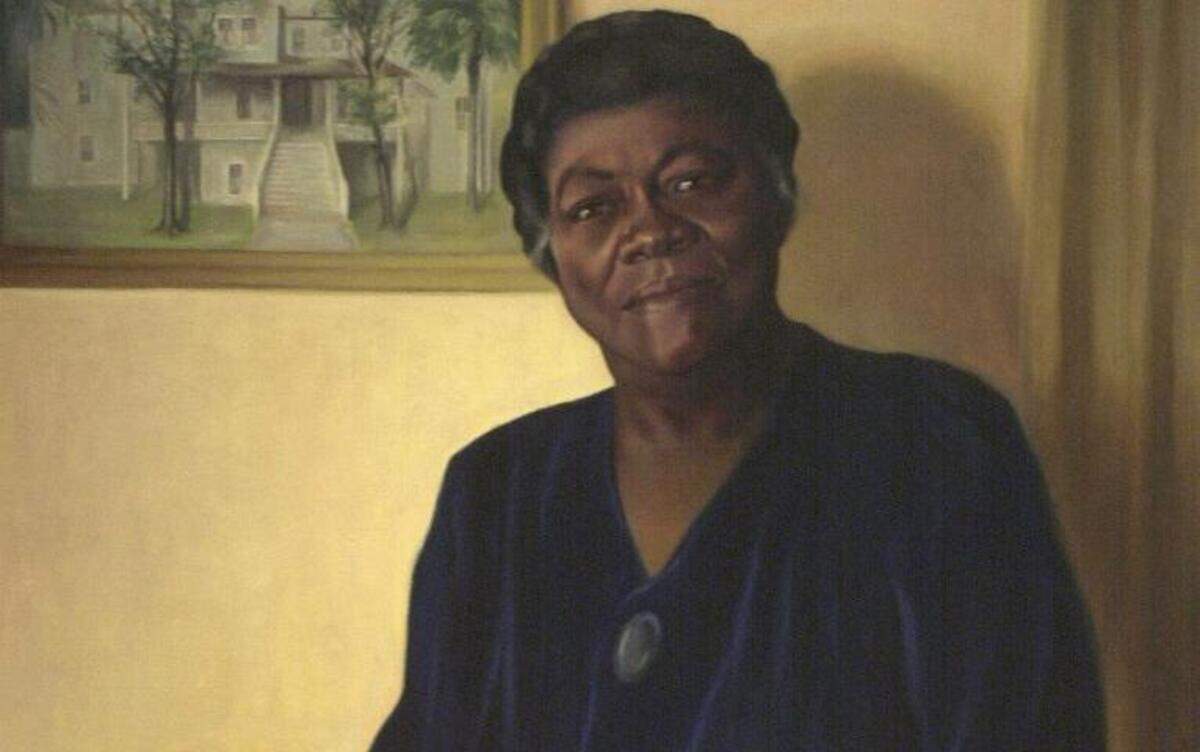
Mary Jane Mcleod was born in 1875 to former slaves in a small rural town in South Carolina. Mary’s mother worked for her former master, and often brought Mary along with her. On one of these visits, Mary picked up a book and started to flip through it, only to have it snatched out of her hand by the little girl who lived in the house. The little girl snarked that Mary had no business with that book because she couldn’t even read. Much later in life, Mary credited that moment with the realization that the only difference between white and colored people was the ability to read and write. That moment would direct the rest of her life.
Mary would not only learn to read and write, but she would make it her life’s mission to teach other colored girls the same. Mary went on to marry Albertus Bethune in 1898 and then to teach in Sumter and Augusta and eventually found her own school for colored girls in Daytona. That school eventually became Bethune-Cookman University. Mary also served numerous roles in the administrations of Presidents Coolidge and Roosevelt.
Imagine that: a poor, colored girl born to former slaves in rural South Carolina advising white men who held the most powerful position in the world — all because she understood the power of an education.
It’s been studied and proven time and time again: The only real way to break the cycle of generational poverty is through education. And yet our state has been entangled in Abbeville County School District vs. South Carolina since 1993. Yes, 1993. The S.C Supreme Court finally ruled in 2014 that the state had failed to provide a “minimally adequate education” for the poorest, most rural counties.
It’s disturbing enough that we as a state seem to have set our expectations to “minimally adequate,” not world-class, not superior, not visionary, not exceptional and not even adequate. Our goal is minimally adequate. But the problem is compounded by the fact that we have failed to even reach that bar in our rural schools.
Mary Mcleod Bethune was a transformative force of nature who was inspired early in life to become great. Imagine how many Marys have fallen through the cracks while we aspire to be minimally adequate.
Brian Tucker
Georgetown