Welcome to the only place in North Carolina where Roy Williams is bigger than Dean Smith
From his home in Black Mountain, it takes Porky Spencer about three hours and 15 minutes to drive to Chapel Hill, straight down the mountain and into the Piedmont on Interstate 40. Spencer has been making that drive about 16 times per year, every year, since 2003. That’s when Roy Williams came home to be the head basketball coach at North Carolina.
The past three or four years, Spencer has not missed one Tar Heels home game at the Smith Center. He goes to the November and December non-conference games against teams that don’t draw the largest crowds. He goes to the ACC games that leave the place full. He goes because he is a UNC fan, and he is a UNC fan most of all because of his love for Williams.
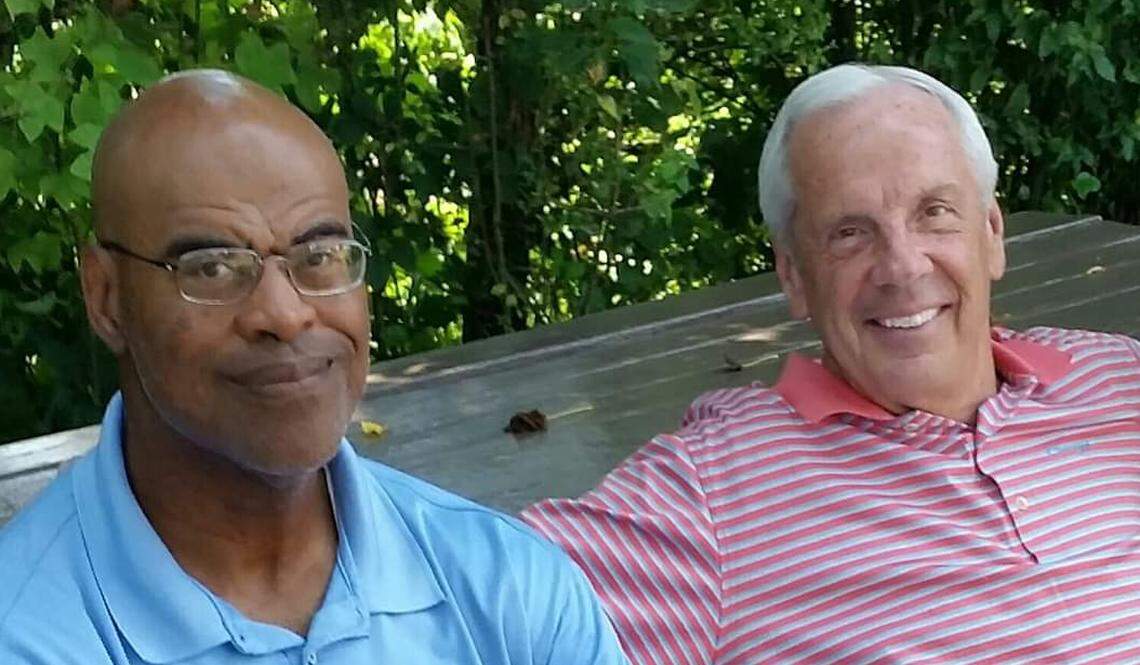
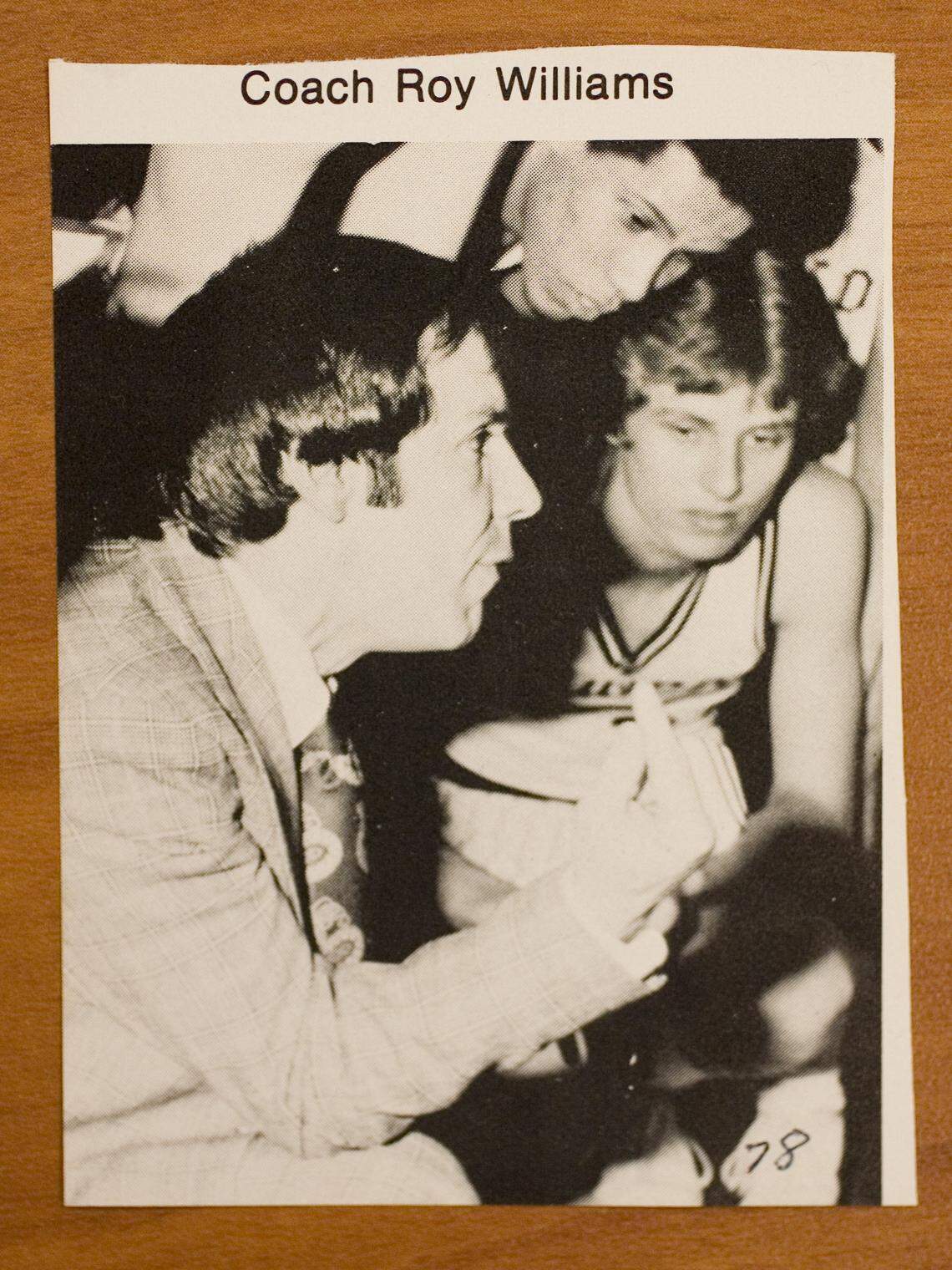
Their relationship began in 1973, when Williams became the head basketball coach at Owen High School in Black Mountain. He was 23. Spencer, whose first name is Napoleon, was a junior at Owen, a stout 6-foot-3, and everyone called him Porky because he weighed 10 pounds when he was born. Spencer played on the first two teams Williams ever coached, and Williams quickly became a father to him.
Now they’re close friends. Every home game, Williams leaves Spencer’s name on the ticket list.
So there Spencer was Monday night, during UNC’s game against Yale, sitting behind the Tar Heels’ bench. He had come to support Williams, as always, because of how Williams supported him. Spencer can close his eyes and still see and feel what it was like to play for Williams at Owen.
He can also remember what it was like to go without running water until his junior year of high school. He can remember the small things Williams did to help him, including those stories Williams shared of his own hardened, unprivileged upbringing along some of Asheville’s roughest and poorest streets.
Driving to Chapel Hill, Spencer said, “I just feel like I’m going to see my dad coach.”
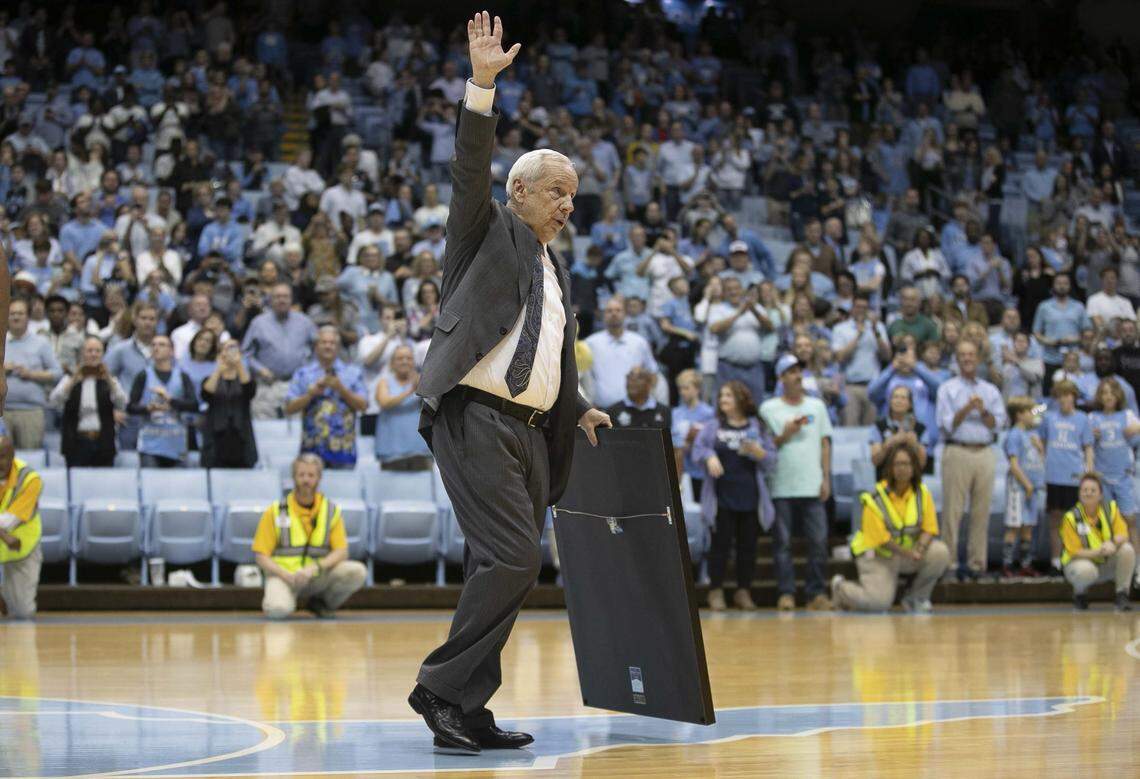
Few in the Smith Center on Monday night, then, understood better than Spencer what a victory would represent for Williams. He entered that game against Yale having won 878 games as a college head coach. His next victory, No. 879, would tie him with Dean Smith, Williams’ longtime mentor and friend, a man he’d spent much of his life trying to make proud.
It was an ugly game that wasn’t decided until the final shot. Yale missed a 3-pointer at the buzzer and the Tar Heels prevailed. From his seat behind the bench, Spencer paid close attention to Williams. He had won three national championships, seven conference tournament championships at Kansas and UNC and his teams had more often won the regular season title (18 times) than they had not (13). A hall of famer, Williams had long become one of the sport’s most accomplished coaches.
And yet after his 879th victory, one that tied him with the man he’d admired for so long, Williams looked for a moment like he’d rather be anywhere than on the court, receiving recognition. He has always spoken about Smith with reverence, as if Williams feels unworthy of any comparison to him.
“I think, and it’s just my humble opinion,” Spencer said, “that he wishes Coach Smith’s record was so far ahead that if he coached a million years, he’d never be able to break it.”
Instead, Williams and Smith had reached the same intersection, 22 years apart. Smith retired in 1997 after his 879th victory. Williams will go on. Throughout his years at UNC, he has often spoken of his desire to do his job in a way that Smith would appreciate. Williams has, in more difficult moments, shed tears at the thought of letting Smith down.
There is a place, though, where people talk about Williams the way he’s always talked about Smith. Spencer is among those people and, after the Tar Heels’ victory Monday night, he returned to that place. He drove back up the mountain and arrived home at 2 in the morning. Six hours later, he was back at work at a Coca-Cola distribution center.
**
On the afternoon after Williams had reached a milestone he never gave much thought about reaching, people who have known him for a long time gathered for lunch at Phil’s Bar-B-Que, just south of downtown Black Mountain. Spencer wanted to be there, but work called.
After a while, the line stretched outside the front door. The woman behind the register smiled and recommended the brisket, sliced. Carl Bartlett, who served as the mayor of Black Mountain for 25 years, arrived early and secured a table in the corner. He and several others, including a few retired high school coaches, meet every week, usually on Tuesdays.
They don’t always reminisce about Williams but the occasion called for it. At a table in the back corner at Phil’s they were telling stories about “Roy Boy,” what some of the locals called Williams when he arrived in Black Mountain in 1973. Really, it wasn’t so much an arrival as it was a homecoming. Williams grew up in these mountains, and they shaped everything from his accent to his sense of loyalty.
“The thing that we really appreciate and love about Roy — he’s not changed,” Bartlett said. “He’s got the same personality, the same attitude as the guy who won two ballgames here at Owen.”
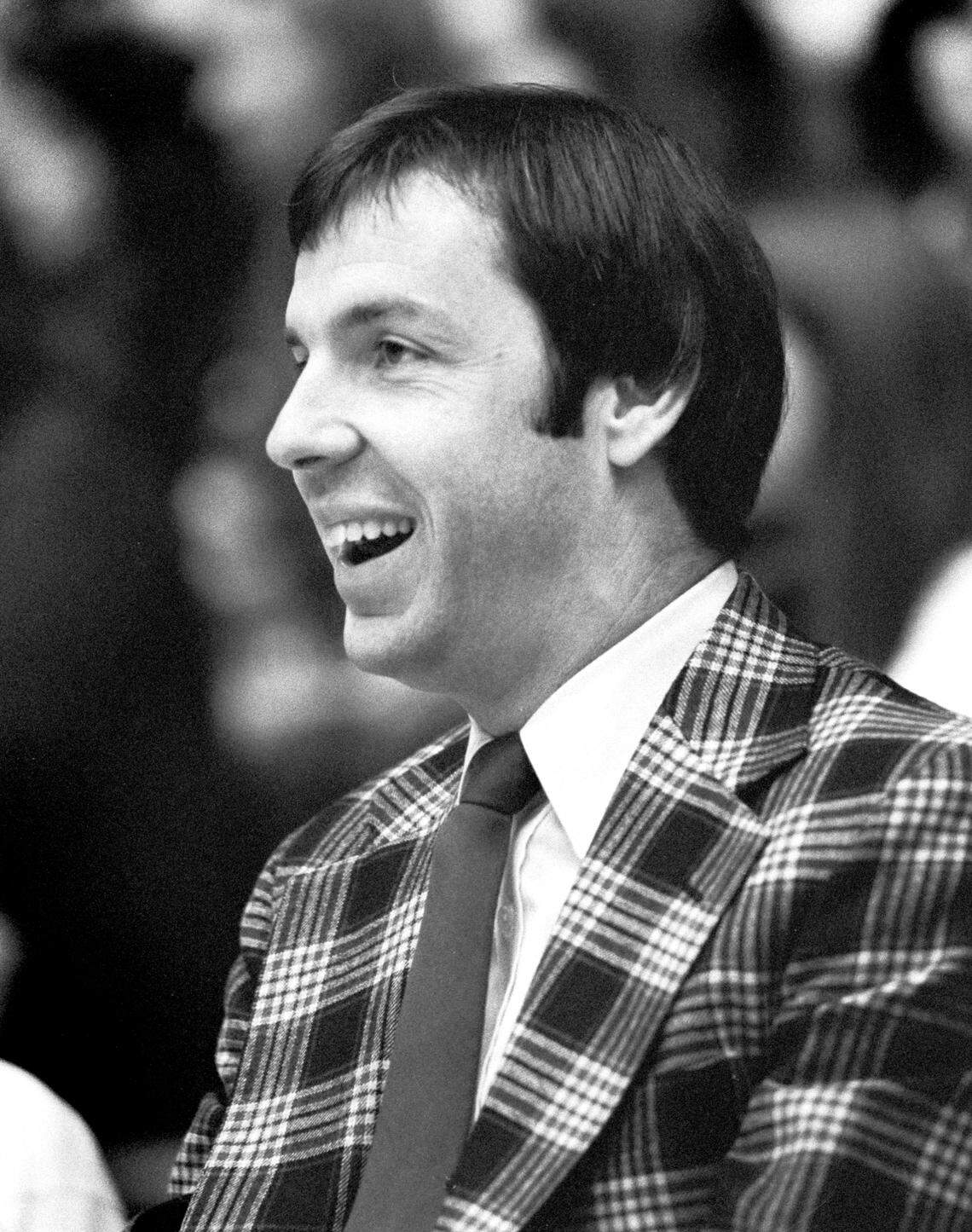
The two-win season was Williams’ first as Owen High’s head basketball coach. Quickly, he began to build. After a while, nobody wanted him to leave. Maybe that’s why some of his colleagues thought he was crazy for taking a part-time job at UNC in 1978. By then he’d been at Owen for five years and his team was finally starting to win.
Still a recent graduate of UNC, Williams drove a Carolina blue Mustang. He became close with some of the other young coaches. They watched Ali fights together, gathered for cookouts together and went to the theater together for Eastwood movies. Perhaps most important, Williams and his wife, Wanda, both natives of Western North Carolina, were home.
“You’ve got it all,” said Kenny Ford, who played golf for Williams at Owen before becoming the school’s longtime football coach. “You’re a head basketball coach, an athletic director. Why in the world would you want to leave? That’s what I told him.”
One of the moments that set everything in motion came at a high school all-star game in Greensboro. Bill Mott, Williams’ assistant basketball coach, drove down with Williams. Smith was there, too, to scout prospects, and the two future hall of famers sat next to each other. On the way back to Black Mountain, Williams shared the news: Dean Smith had offered him a job.
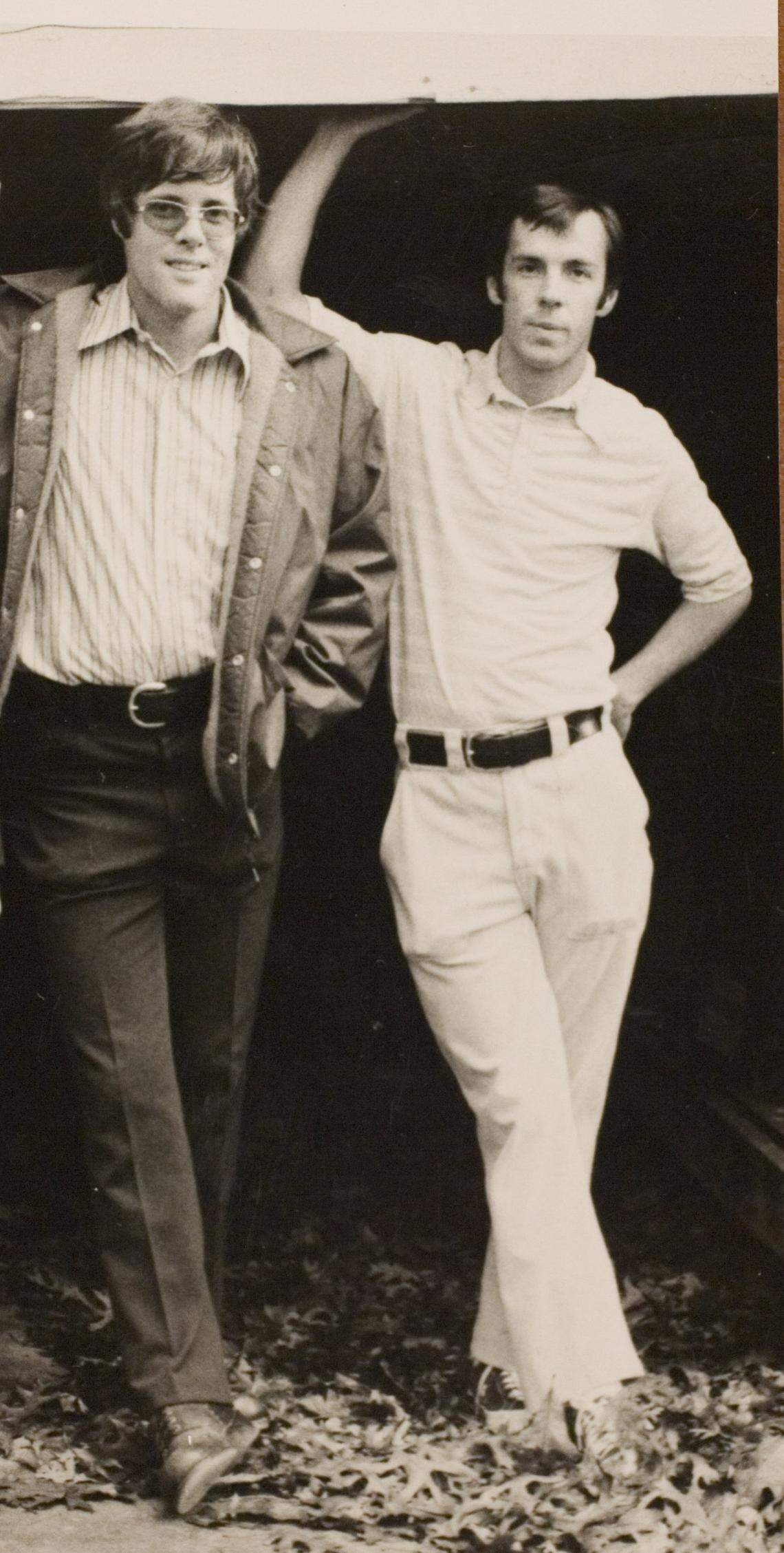
To Mott, it didn’t sound like much. A part-time assistantship. No guarantees it’d last. A go-fer kind of position, in some ways, in which one of Williams’ responsibilities would be to deliver the video tape of Smith’s weekly television show to stations in Greensboro and Asheville. Besides, Williams had a growing family and the position at UNC paid less than $3,000 per year.
“Just built a house, just had a baby,” Mott said. “I thought, he won’t do this — this is two-thousand-something bucks. I said I wouldn’t do that. Because at the end of the year, where are you going to be?”
Mott told Williams he should turn it down and remain at Owen. Sometimes, Mott will remind Williams of that. He’ll see Williams when he comes back home, and Williams will have won 30 or 60 more games since the last time they saw each other, and maybe he will have won another ACC or national championship in there, too, and Mott will laugh and say:
“Told ya — told ya you made a mistake, see?”
Over lunch at Phil’s, Mott’s friends gave him a hard time about his career counseling skills. He said he long ago stopped giving people job advice.
Now, 41 years after Williams left Owen to work for Smith, Williams had caught Smith in career coaching victories. Ford sat to Mott’s left and asked if Mott had seen the end of the game, the brief ceremony in Williams’ honor.
“He’s running off the court, and they grabbed him,” Ford said, laughing. “He wanted off there.”
“That doesn’t surprise me at all,” Mott said quietly, in a gravely mountain drawl.
Both Mott and Ford knew Williams would have preferred no ceremony at all. Instead, there was a short presentation. Williams received a framed photograph of himself and Smith, taken not long after Williams became the UNC head coach in 2003. In the picture, Williams is tan. He still looks young. Smith looks proud. Beneath the photo are Carolina blue block numbers: 879.
It said something, that the recognition came on a night when Williams tied Smith instead of when he’ll pass him. People who’ve known Williams for a long time can speak to his competitiveness, whether in golf or on the walk into the office, when he used to tell his assistants that he could put his key in the door faster than they could theirs. Monday night, then, had to have been one of the few moments of Williams’ life when he preferred to recognize a tie.
“When he breaks the record, it’s going to be tremendous mixed emotions for him,” Mott said. “Since I’ve known him, ‘73 — he idolized Dean Smith.”
**
One day in the mid-70s, Mott and Williams were talking, as they often did, about basketball and coaching. Mott asked who the best coach in the country was. John Wooden was in the midst of leading college’s basketball greatest dynasty at UCLA. Bob Knight was building a powerhouse at Indiana.
At UNC, Smith had yet to win a national championship. Williams, though, could not be debated: “The man is Coach Smith,” Mott said, remembering Williams’ words. “He never referred to him as Dean Smith in my recollection. ‘The man is Coach Smith.’ End of discussion.”
Williams graduated from UNC in 1972 and earned his master’s in teaching there in ‘73. He played on the freshman basketball team. In the summers, he worked some of Smith’s basketball camps. When he became the head coach at Owen, Williams tried to model everything after how Smith did it. He talked about Smith often, so often that Mott sometimes teased him.
“I said, that’s all you talk about — Dean Smith,” Mott said. “I said, he can’t walk on water. Roy said, no, but I’ve seen him fly for short distances.”
By the time Williams arrived at UNC as an undergraduate, he already wanted to be a coach. He wanted to be a coach because he wanted to be like Buddy Baldwin, his basketball coach at T.C. Roberson High in Asheville. Baldwin, as Williams has said many times, was the first man who gave him the power of self-confidence, the ability to believe in himself.
He had never felt that before. Williams learned the meaning of work from his mother, Mimmie, who toiled in the Vanderbilt Shirt Factory and ironed clothes at home to support Williams and his older sister. Mimmie never had much money, but one of Williams’ enduring childhood memories is his mom leaving him a dime, every day, so he could afford a Coca-Cola from Ed’s Service Station.
“She was too proud to allow her son not to have what other kids had,” Williams wrote in his book, “Hard Work.”
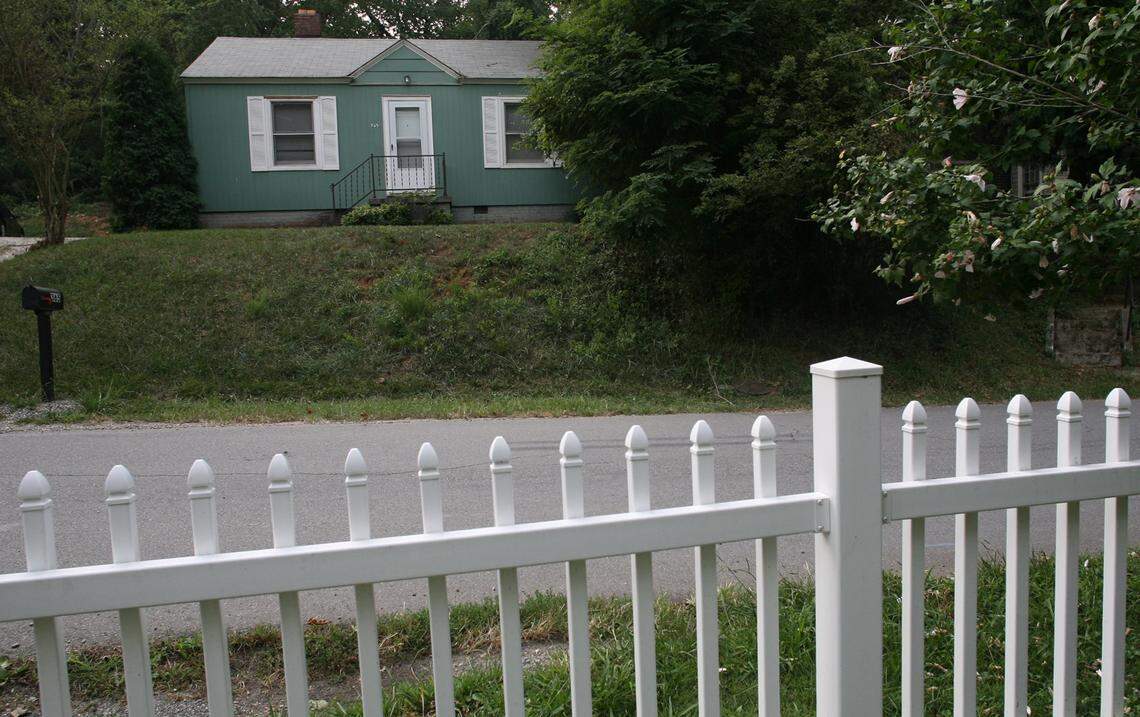
He learned things from his father, too; lessons that left scars. For one, Williams learned about the destructive power of alcohol. He vowed never to drink after seeing how it changed his father. He learned he didn’t want to be like Mack Clayton Williams, known as Babe, who left the family and skimped on child support.
When he was 14, Roy Williams wrote in his 2009 autobiography, his father showed up drunk at the house and “went after” his mom. Williams held a bottle to his father’s neck, threatened to break it over his head and told his dad he’d kill him if he ever showed up there again. Babe never did, and Williams only saw his father sporadically after that.
In 1997, a writer from Sports Illustrated found Babe Williams in Asheville, around the height of his son’s success at Kansas. Babe was on his fourth marriage by then and, according to the story written by Bill Nack, he was “smoking unfiltered Pall Malls, one after another,” while he sat on a front porch on Warren Avenue, next door to where Roy spent some of his childhood.
Babe expressed a lifetime of regret.
“We had good times around here until I started drinking,” he told SI. “... I went on the wrong track, that’s all. If I had only done like a man’s supposed to, but I didn’t.”
Babe died at 76 in 2004, a year before his son won the first of his three national championships. When he sat on that porch smoking cigarettes, sharing his regret, Babe was 70. He was about the same age then as his son is now. Roy Williams will turn 70 in August and, unlike his father that day, he can’t stand sitting down.
**
During his team’s victory against Yale on Monday night, Williams remained seated for about 10 minutes of game time. The longest he remained in his chair was after tipoff, when he managed to sit for 82 seconds. At the start of the second half, he lasted 70 seconds. Mostly, he sat for 20 or 30 seconds at a time before finding reason to stand again.
Sometimes he paced. Sometimes he stomped. Sometimes he stood near the corner of the baseline. Sometimes he yelled. Sometimes he turned to talk to the bench. He often leaned left or right when the Tar Heels attempted a shot, as if to will the ball into the basket. More than once he crouched into a defensive stance, as he often does, and pumped his fists.
Behind the bench, Porky Spencer watched his old coach make the same mannerisms and gestures he did 45 years ago.
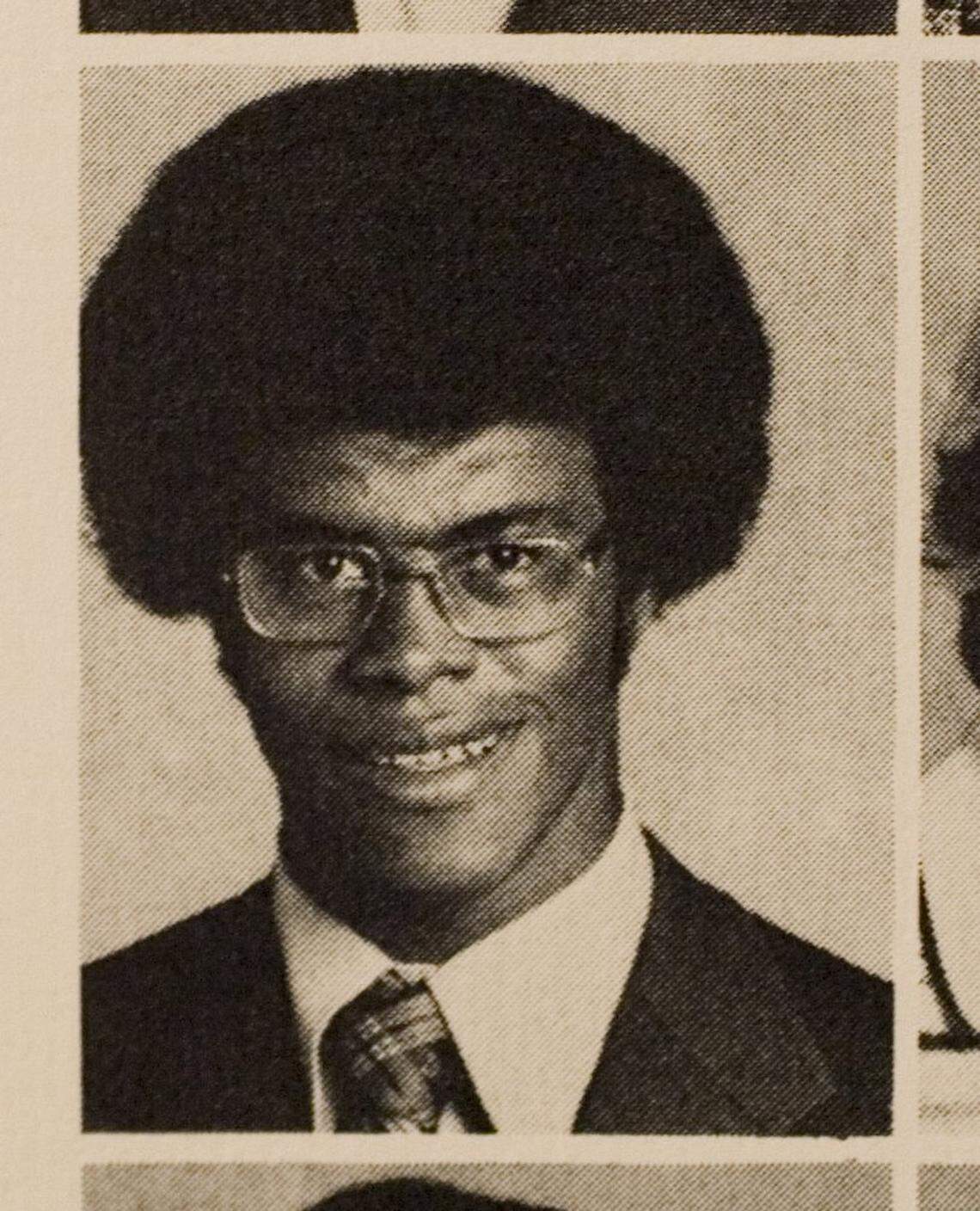
“Like clockwork,” Spencer said. “He’ll get up, he’ll pace, he’ll fold his arms. You have to do certain things on the court for him to fold his arms.”
After 878 college victories, Williams coached Monday night as if he was hoping for his first. He coached as if he lived and died a little with every possession. His team has labored this season, beset by injuries and poor shooting, and during timeouts on Monday Williams looked like an angry conductor, trying to coax the most out of his players. He was a Naismith Hall of Famer, but he looked like he was still trying to prove himself, as if he was still trying to make proud the men who’d believed in him.
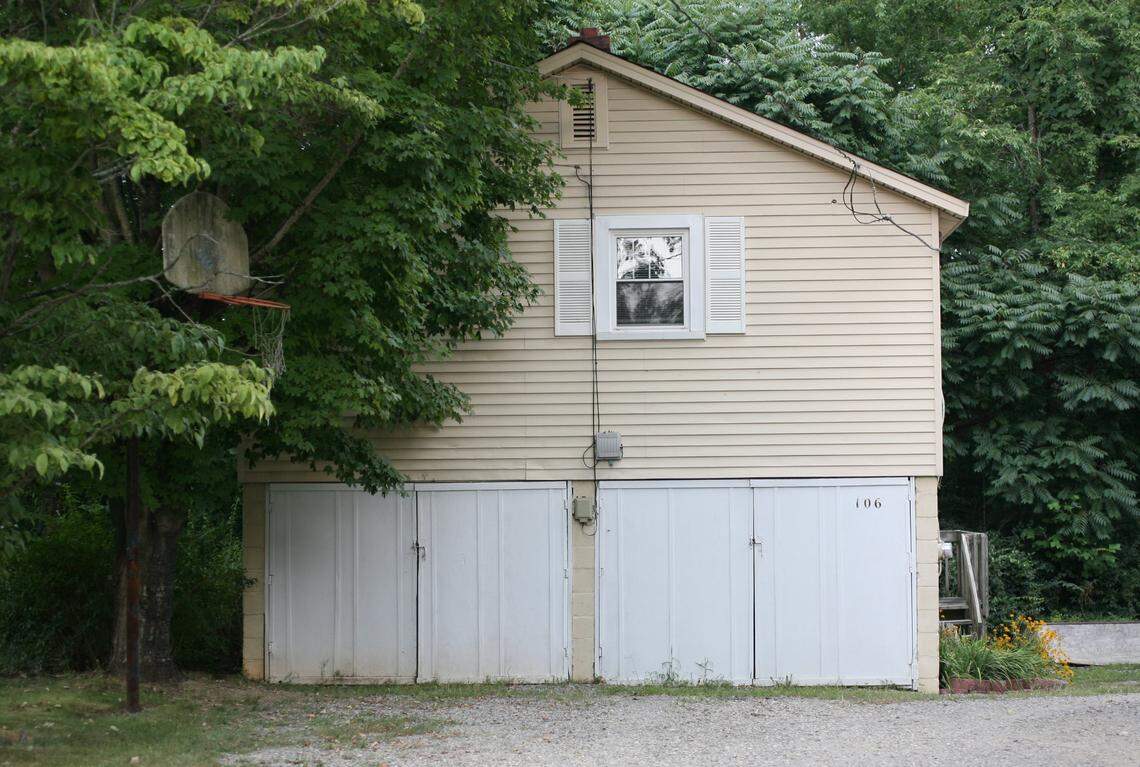
He’d come to love basketball those years when he was younger, when he needed any reason to avoid home. He came to love it more when he met Baldwin, his high school coach, because he realized what a sport, and especially what a coach, could do for a young person searching for something missing. And then, at UNC, Williams at last met Smith, and for about 50 years now, Williams has asked himself what Smith might do in any given situation.
“I’m not one of those guys that talks about the Lord, and wears the ‘What Would Jesus Do?’” Williams said Monday night. “And a lot of times I’ll say, ‘Wonder what Coach Smith would do?’ ”
Undoubtedly, Smith would not have cared for any recognition Monday night, and so UNC kept it short after Williams’ 879th victory. There was a brief announcement over the public address system while Williams received the framed photo. He walked to center court with two of his players by his side. Scott Smith, Dean Smith’s son, stood next to Williams, too. Scott leaned in close to tell Williams that his father would be “real happy” for him.
“And I think he would be,” Williams said later, pausing when the emotion hit. He allowed himself to talk about Smith, and reaching No. 879, for a few minutes. He said he thought he’d been “7,000” victories away from tying Smith until he found out last spring that he was close. He said he appreciated his health and his teams and his players. He said 879 was just “a number.”
“It means I’ve stayed around for a long time,” Williams said, and soon he’d had enough of discussing No. 879.
“Now let’s talk about something else,” he said.
**
Places throughout Western North Carolina claim Williams as their own. In 2011, the city of Marion, about 35 miles east of Asheville, erected a historical marker across the street from what used to be the hospital where Williams was born in 1950. In Asheville, there are traces of Williams’ roots along Warren Street and Reed Street.
The streets sit near the border of the historically black Shiloh neighborhood. Originally located where the Biltmore Estate stands, the neighborhood was displaced in the 1880s so the estate could be built. Williams grew up within walking distance of a monument to decadence, while watching his mom iron clothes for change.
Sometimes, Spencer said, Williams told his first team at Owen about where he’d come from. He told his players about his mother’s sacrifices, about how she left a dime every morning so he could buy a Coke. Williams knew that some of his players came from similar places. He knew that Spencer lived for years without running water.
“He knew the kids that were going through the stuff that he had went through when he was their age,” Spencer said.
These days, Spencer works at the Coca-Cola distribution center in part because of Williams’ story about his mom leaving those dimes. Williams can buy all the Coke he wants, but Spencer likes that around Christmastime, he can use his employee discount on a sentimental, appreciated gift for Williams.
After the victory against Yale on Monday night, Spencer was waiting for Williams, like he always does after a home game. Like always, Williams thanked his friend for coming. Spencer is 63, six years younger than Williams, and he doesn’t see any reason that he won’t be coming to the Smith Center for a long time to come. Some of his friends from back home think the same thing.

A lot of them are about as old as Williams is, around 70 or older. The guys who gathered at Phil’s are all retired now, and they have time to reminisce about the good old days over long lunches. Mott, Williams’ old assistant coach, could remember when Williams arrived at Owen, and how the only thing they both wanted was to make $10,000 a year.
“We used to talk about, boy, we could just have everything we’d want,” Mott said.
Now Mott and his friends worry a little about Williams. Mott, Spencer and others have stories about Williams telling them he might retire and play golf in another five years or so. They are not necessarily recent stories. Back home, Mott said, Williams was talking about doing that 20 years ago and yet here he is, no end in sight.
In a lot of ways, the past decade was the most challenging of Williams’ adulthood. He went through a cancer scare in 2012. His closest friend in Chapel Hill, Ted Seagroves, died in 2014. Smith died a few months later, in 2015, and then Bill Guthridge, Smith’s longtime right hand, and another of Williams’ mentors, died a few months after that.
Amid those personal losses, Williams coached through a prolonged NCAA investigation that ended without sanctions but still forced him to defend his integrity. He coached through the pain of two worn knees, and had one of them replaced. He still coaches through occasional bouts of vertigo that leave him knelt on the floor, as if he has suffered an invisible blow.
“He ought to enjoy the fruits of his labor somewhere in here,” Mott said. “... I’d like to see him retire. Come back up here. We’ll eat steak again and then watch Clint Eastwood movies.”
If Marion is where Williams was born, and Asheville where he grew up, Black Mountain is where Williams put himself in position for all that came after. When he arrived at UNC in 1978, the only thing he ever wanted to do was work for Dean Smith. He wanted it badly enough that he spent years delivering those TV tapes, selling calendars and coaching UNC’s freshman team.
Then Williams went off to Kansas in 1988 and came back to Chapel Hill in 2003. Somewhere in those 15 years, Carl Bartlett, the longtime mayor of Black Mountain, found himself at Black Mountain Golf Club, which was once was home to the longest hole in the United States — the 747-yard par-6 17th.
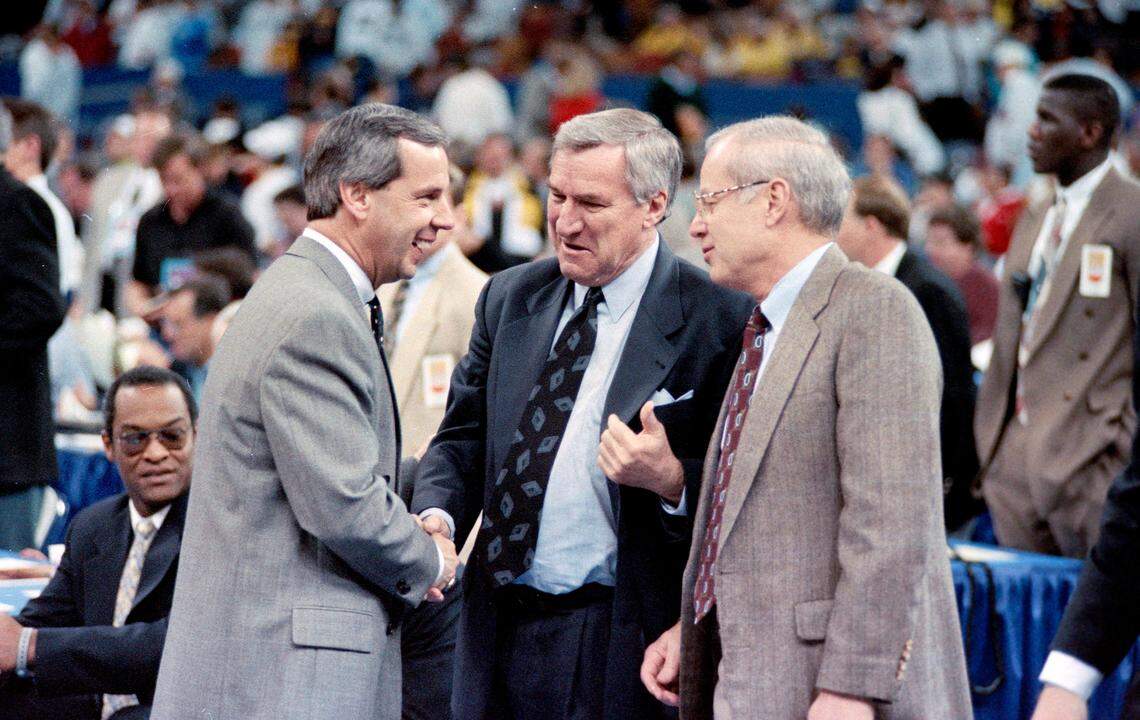
The visit left Bartlett with one of his favorite stories about Williams and Smith, and Williams’ place in Western North Carolina. Bartlett could not remember the year, but he thought it was sometime in the mid-1990s when Smith was in Asheville for an ACC event.
As Bartlett told it, Smith went to Black Mountain to play 18. He walked into the pro shop, and the pro looked up and greeted Smith like this: “Well hey, Roy Williams, glad to see you back.”
“Smith just stammered a little bit,” Bartlett said, “and said, ‘Uh, I’m Dean Smith.’”
To which the pro replied, laughing: “I know who you are, coach. I just wanted to let you know you’re in Roy Williams country.”
This story was originally published January 3, 2020 at 1:15 PM with the headline "Welcome to the only place in North Carolina where Roy Williams is bigger than Dean Smith."