Could Clemson’s new transfer WR get another year of eligibility? Here’s what we know
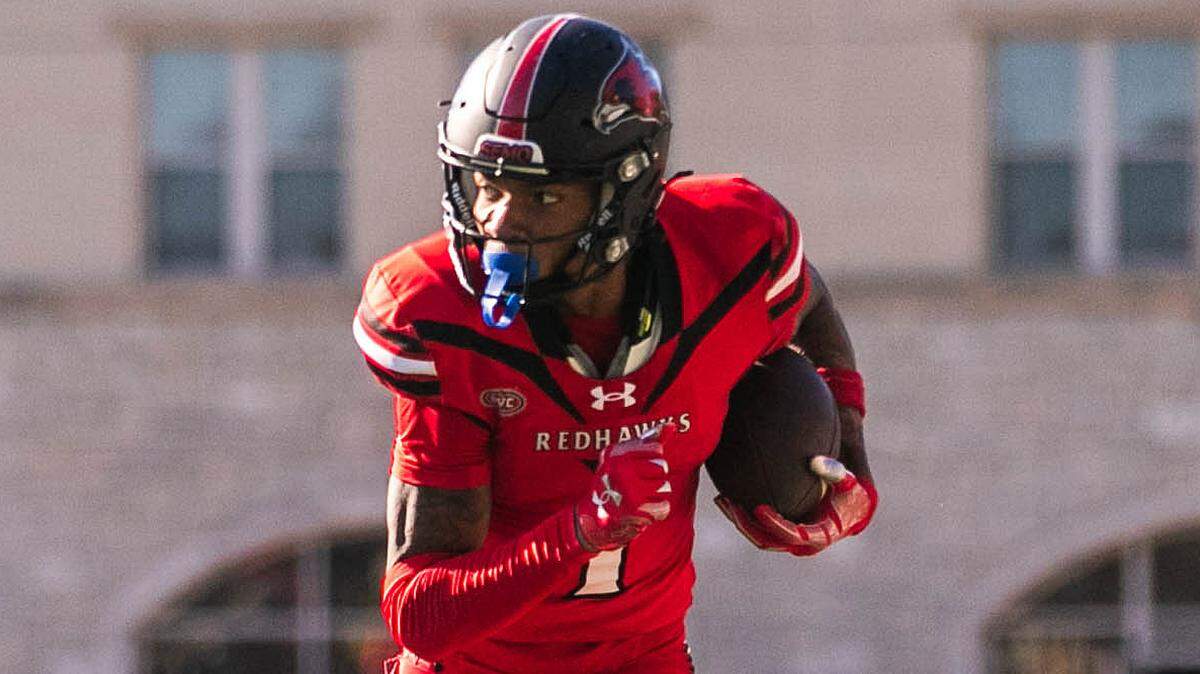
Tristan Smith entered the transfer portal and committed to Clemson thinking he had one more year of college football to play in 2025.
Could he wind up with more?
At this point, Smith’s eligibility status remains unchanged. The wide receiver from FCS Southeast Missouri State has one year left, and he’ll play it with the Tigers.
But, since Smith played his first two years at Hutchinson Community College in Kansas, he could potentially be impacted by the recent developments surrounding the eligibility of athletes who started at the junior college (JUCO) level.
Those big-picture changes could put Smith in position for another year of eligibility at Clemson, something coach Dabo Swinney floated in early December.
Now, that plan’s in motion.
Clemson has been in initial talks with Smith about the possibility of him getting an extra year of eligibility, a source familiar with the situation told The State.
The timeline for that process — which would likely involve a petition and/or NCAA waiver — isn’t immediately clear, and there are no guarantees it succeeds. But the Tigers intend to help Smith look into his situation and would welcome him playing another season in Clemson as a fifth-year in 2026, if possible, the source said.
The Pavia rule
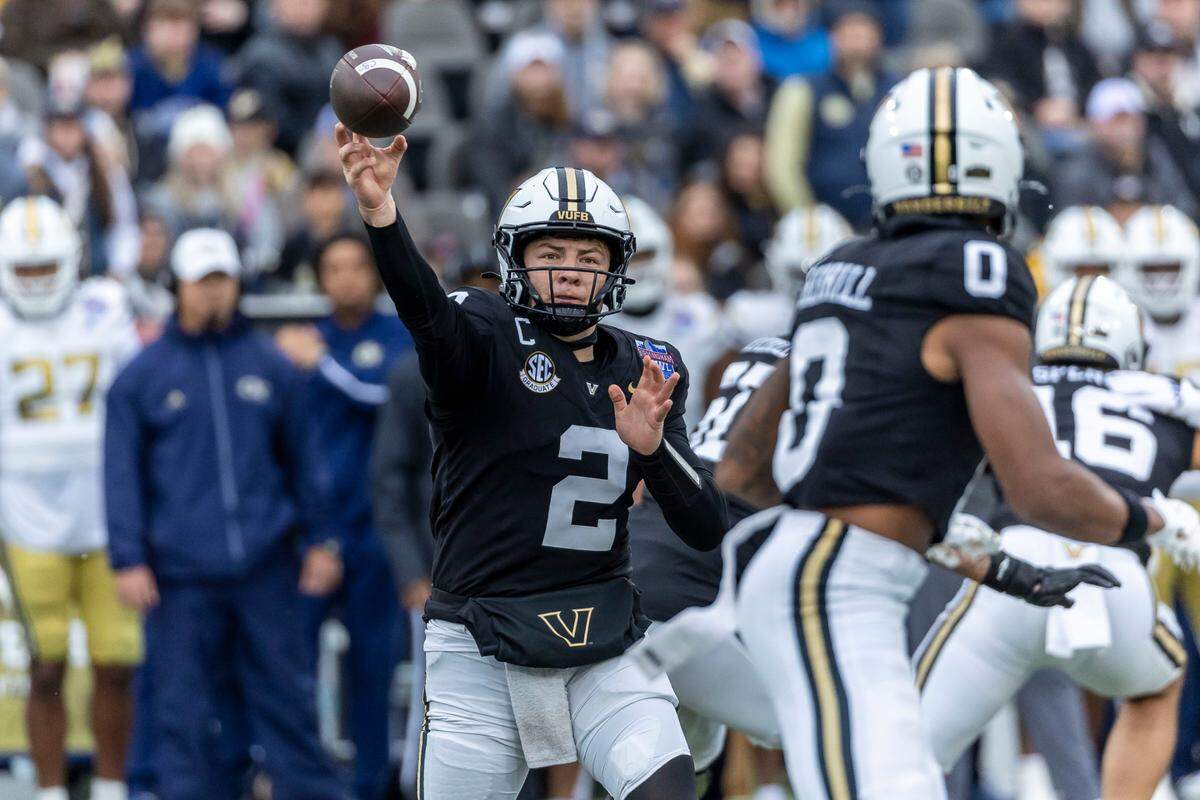
Earlier this month, Vanderbilt starting quarterback Diego Pavia won another year of eligibility when a federal judge ruled that the NCAA’s current rules — which count time spent in junior college toward eligibility — violated federal antitrust law and issued a temporary injunction, allowing Pavia to play a sixth and final year in 2025.
Pavia dazzled this year as Vanderbilt’s starter and had argued in a November lawsuit that the NCAA’s JUCO eligibility bylaws “limit athletes who begin their college careers at junior colleges to only two or three seasons of NCAA Division I football,” as opposed to the four seasons of competition (and name, image and likeness money opportunities) available to athletes who start out in Division I.
A federal judge sided with Pavia, writing in a Dec. 18 ruling that enforcing NCAA eligibility rules against the quarterback could be problematic, given the commercial state of college football in 2024 and Pavia’s potential NIL earnings.
Swinney coincidentally spoke with the media a few hours after Pavia won his case, which made national news. Speaking ahead of the Tigers’ first-round College Football Playoff game at Texas, Swinney said Smith had one year of eligibility at Clemson “for sure” and left things open-ended from there.
“I mean, I know there’s been some waivers granted out there,” Swinney said Dec. 18. “My understanding was there was maybe one that was granted today. He’s played two years (in junior college). Started out in JUCO and did not play a lot as a freshman. So, I don’t know. I don’t know. Maybe there’s a process there.”
Tristan Smith’s JUCO career
A successful eligibility ruling for Smith, 21, would probably rely less on how many games he played in JUCO (seven as a freshman in 2022, 10 as a sophomore in 2023) and more on how the NCAA and the courts ultimately react to the Pavia news.
After the Pavia ruling, the NCAA issued a temporary blanket waiver granting an extra year of eligibility in 2025-26 to any athlete who previously “competed at a non-NCAA school for one or more years” and otherwise would have exhausted their NCAA eligibility after 2024-25. Essentially, that’s anyone in Pavia’s shoes.
That blanket waiver does not apply to Smith, since he already has clear eligibility for the 2025-26 season at Clemson. A Class of 2022 recruit from Georgia, Smith played two years of JUCO football before playing the 2024 season at SEMO.
Per the sports business website Sportico, though, the Pavia ruling is “likely to trigger additional antitrust lawsuits over NCAA eligibility rules” from more JUCO players who are running up against their “eligibility clock” in 2025 and beyond.
The NCAA said in its waiver that, before Pavia’s lawsuit, it had already authorized a “comprehensive eligibility review” in June 2024 intended to help modernize college sports. The review will include “all aspects” of eligibility, including how JUCO affects eligibility, and will be discussed further in meetings next month, per the NCAA.
The NJCAA (which governs junior college sports) said in a separate statement it was “supportive” of the NCAA’s blanket waiver to athletes in the same position as Pavia.
In other words: Nothing changes for Smith right now, but it’s possible that he and other athletes in Pavia’s position next fall could get a similar blanket waiver as things play out, or if the NCAA’s JUCO eligibility rules change in coming months.
Smith caught 76 passes for 934 yards and six touchdowns in 11 games this season for SEMO and was the first non-quarterback to commit to Swinney and Clemson out of the transfer portal. (The Tigers have since added former Purdue DE Will Heldt.)
247Sports and On3 Sports both ranked Smith as a three-star portal recruit. He’ll be the tallest receiver on Clemson’s roster and expected to compete for rotational snaps in 2025 behind the starting trio of Antonio Williams, Bryant Wesco Jr. and T.J. Moore.
He could have an even larger role if Williams, a first-team All ACC receiver this year as a redshirt sophomore, decides to leave Clemson early for the 2025 NFL Draft.
This story was originally published December 31, 2024 at 8:00 AM.