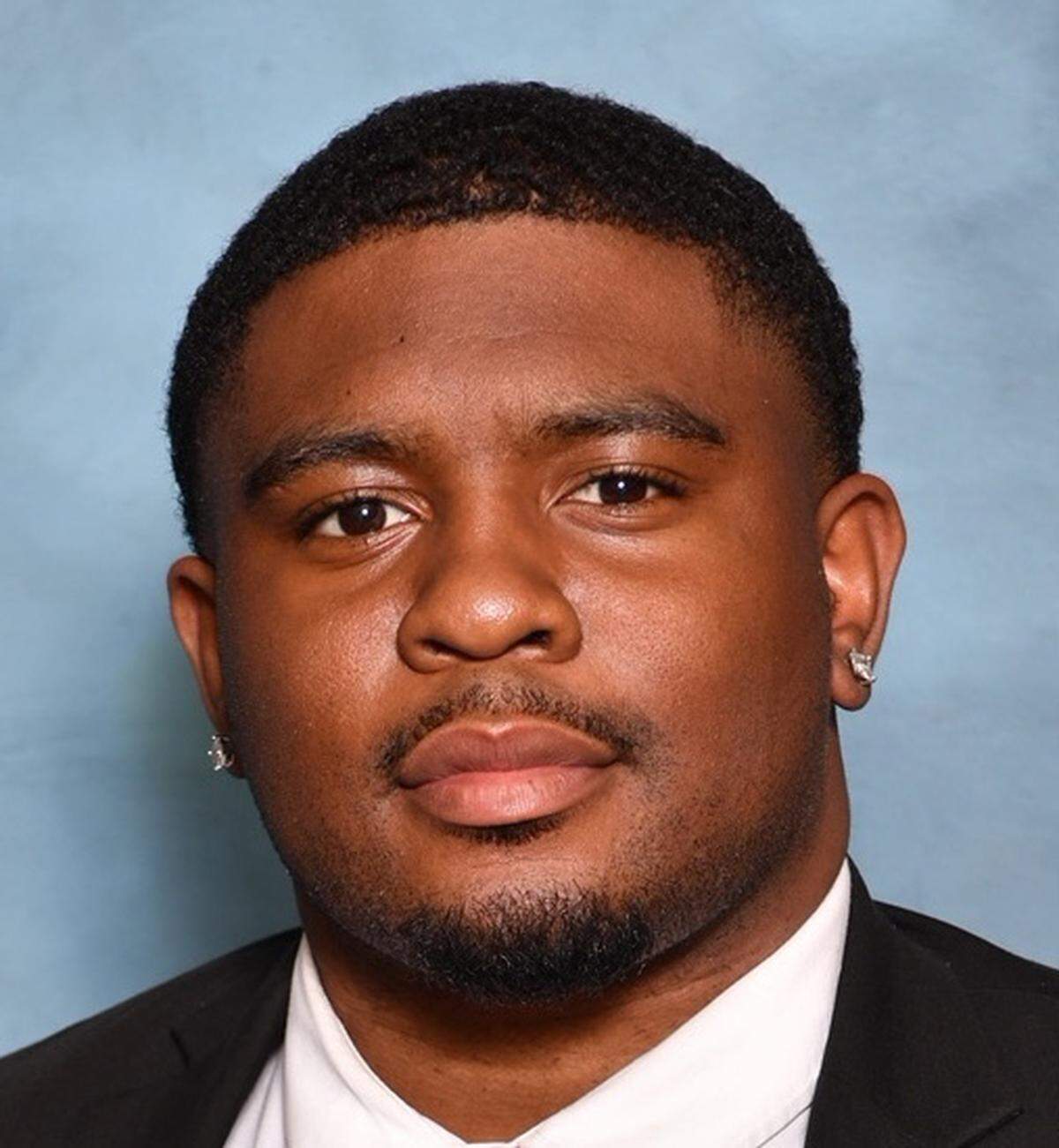
Why Jeremiah Donati was a fit for the Gamecocks’ athletic director job
When University of South Carolina President Michael Amiridis sought advice on hiring a new athletic director, the feedback painted an almost mythical picture of the ideal candidate.
“After these meetings, I started thinking that I would be looking for a unicorn,” Amiridis said.
Even so, Amiridis found his unicorn. Jeremiah Donati was officially hired Thursday, agreeing to a six-year contract to succeed Ray Tanner as South Carolina’s new athletic director.
What made the search difficult? USC needed someone who checked a long list of boxes.
They wanted experience and proven success. A Power 4 conference background. A knack for fundraising. A visionary personality with strong communication skills. And, ideally, someone with a likable, approachable demeanor.
On paper, it seemed nearly impossible to find someone who could be all of those things. But Donati had all those qualifications, Amiridis said.
Donati’s Power 4 credentials come from his tenure as athletic director at Texas Christian University (TCU), a position he’s held since 2017.
At TCU, Donati oversaw nearly $500 million in donor-funded facility upgrades, including a $72 million basketball arena renovation, enhancements to the baseball field and the upcoming $50 million Human Performance Center.
Donati also hired Sonny Dykes as TCU’s head football coach after parting ways with longtime coach Gary Patterson — and it paid off in a big way. Under Dykes, TCU reached the CFP national championship game in 2022, boosting the university’s national profile and driving up student applications.
Fundraising has been a constant throughout Donati’s career, even before his time as TCU’s AD. He held key roles in fundraising and operations at Washington State, Arizona and Cal Poly, in addition to TCU.
Donati’s expertise extends to revenue generation and athlete representation as well, bolstered by his stint as general counsel for the Leigh Steinberg Sports and Entertainment agency — a valuable asset for navigating today’s NIL-driven landscape.
Amiridis pointed to Donati’s success at TCU — leading to a Big 12 championship, academic excellence, fundraising achievements, national recognition and the respect of his peers — as key factors in his hire. His principles and personality sealed the deal.
If there’s one question mark for Donati, it’s his lack of direct SEC experience, having spent the past 13 years in the Big 12. Still, Donati is confident he’ll adapt quickly.
“Getting acclimated with the other institutions, it’ll take a little time, but it’s the same; we’re all playing from the same rules,” Donati said about the leap from the Big 12 to the SEC. “I understand in the SEC, it just means more. But I’ll be ready for it. I’m excited to get to know the region, the other coaches, and my fellow ADs better.”
Donati’s vision for USC centers on carrying over and building upon his past successes. He plans to focus on academics, enhancing the student-athlete experience, driving revenue and competing for SEC and national championships.
Gesturing toward Williams-Brice Stadium, Donati expressed interest in the planned renovations, referencing his facility upgrades at TCU as a key strength.
However, Donati acknowledged that replicating his TCU blueprint won’t be simple, especially given the rapidly evolving landscape of college athletics.
“I pledge that we will pursue excellence in all of these and we will do so while staying true to the mission values of the University of South Carolina,” Donati said.
Above all, Donati’s pitch to Amiridis focused on the seismic changes reshaping college athletics, especially NIL deals and the emerging conversations about revenue sharing with student-athletes.
These shifts have altered the traditional power balance between athletes and their programs, sparking debates over the future of college sports. Among the most pressing concerns is the prospect of student-athletes one day being classified as employees, with legal challenges looming over the current model.
Looking forward, Donati emphasized the need for proactive and collaborative approaches to navigate these sweeping changes.
“I was trying to impress upon them that we’re going to be ready for that,” Donati said. “That’s one of the things I think I could bring to the table.”