South Carolina RB Rahsul Faison’s lawyer explains next steps with NCAA
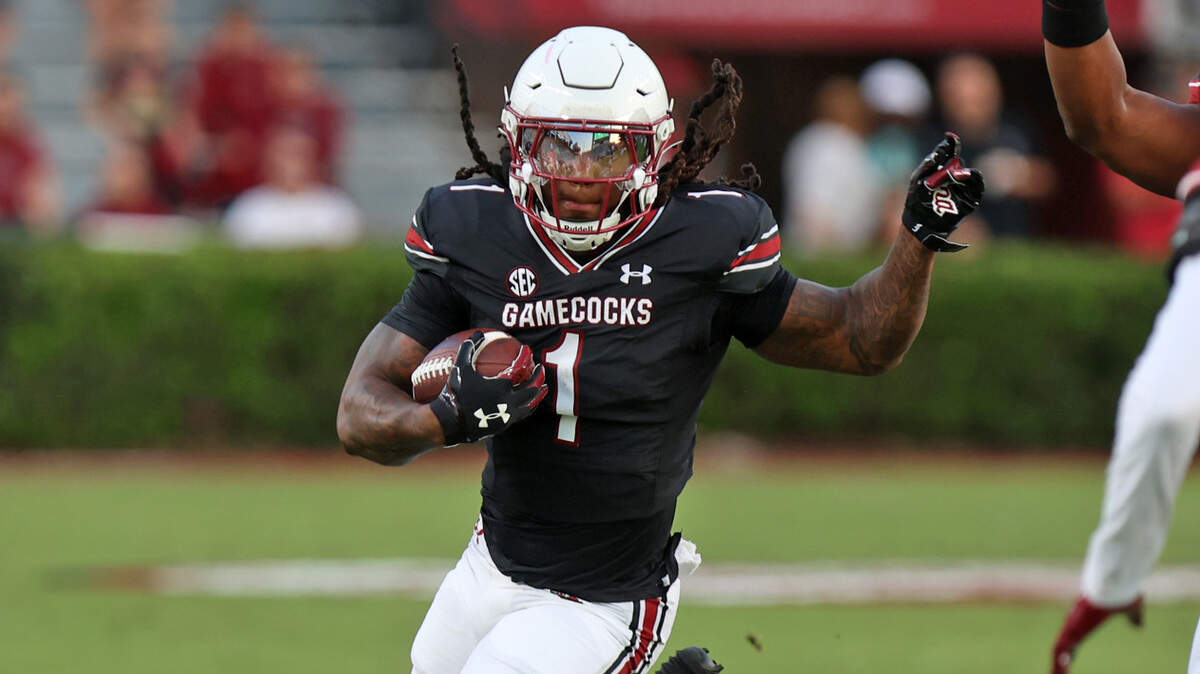
Due process has run its course. Rahsul Faison is done waiting.
On Wednesday, nearly five months after South Carolina submitted a waiver to the NCAA on Faison’s behalf, the Gamecocks’ transfer running back has lawyered up, retaining the services of sports and entertainment attorney Darren Heitner.
Heitner is notable in the trademark and NIL space, with past clients ranging from Johnny Manziel to South Carolina basketball’s Myles Stute, who recently — with the help of Heitner — was granted an extra year of eligibility by the NCAA.
“Rahsul Faison submitted his waiver request to the NCAA,” Heitner wrote on X. “I will be urging the NCAA to prioritize providing a decision on his request for an additional year of eligibility.”
That’s what Faison has been after for months. Since January, the Gamecocks and their running back have been waiting and waiting … and waiting for an answer.
The NCAA’s response? Crickets.
“It’s getting frustrating,” USC head coach Shane Beamer said Monday. “The fact that (the NCAA has) had everything that they needed from us since January and we don’t have an answer is frankly disappointing.
“We’ve given them everything they needed back in January. They asked for more. We gave them what they needed. They asked for more. We gave them what they needed. We’ve been in contact with other schools that he was to get stuff from them that (the NCAA) needed.”
On Wednesday afternoon, Heitner sent an email to The State saying that he has not yet taken legal action against the NCAA.
“We hope to not have to escalate this matter to court but we will do what is necessary to best ensure he obtains an extra year of eligibility,” Heitner wrote. “In the meantime, we hope to work cooperatively with the NCAA if they’re willing.”
Faison’s issue with the NCAA — the reason he needed a waiver in the first place — was the fact that he began his college career in 2019.
Following Vanderbilt quarterback Diego Pavia’s victory in court, the NCAA granted a blanket waiver that gave an additional year of eligibility to any student-athletes whose time in junior college had been counted against their NCAA clock. But that only applied to those who had time remaining on their five-year NCAA clock.
In other words: It didn’t apply to anyone who began playing college football in 2019 — which happened to be Faison.
As we’ve detailed before, Faison’s college journey has been a zig-zagging adventure that is about as unique as you’ll see. Here’s how it breaks down:
2019 — Grayshirted at Marshall.
2020 — Didn’t play football. Took online classes at Lackawanna College in Pennsylvania.
2021 & 2022 — Played at Snow College, a junior college in Utah.
2023 & 2024 — Played at Utah State.
What’s so odd about Faison’s case is that there is precedent. In late April, Rutgers football player Jett Elad — who also began playing college football in 2019 and spent time at a JUCO — won an antitrust case against the NCAA for an extra year of eligibility.
Few of the details between Elad and Faison’s case are different, which would lend anyone to believe Faison will earn his extra year of eligibility. Whether that involves a similar lawsuit is still to be determined.
This story was originally published May 7, 2025 at 5:28 PM.