Ta’Lon Cooper’s next steps seem like destiny: He wants to be a basketball coach
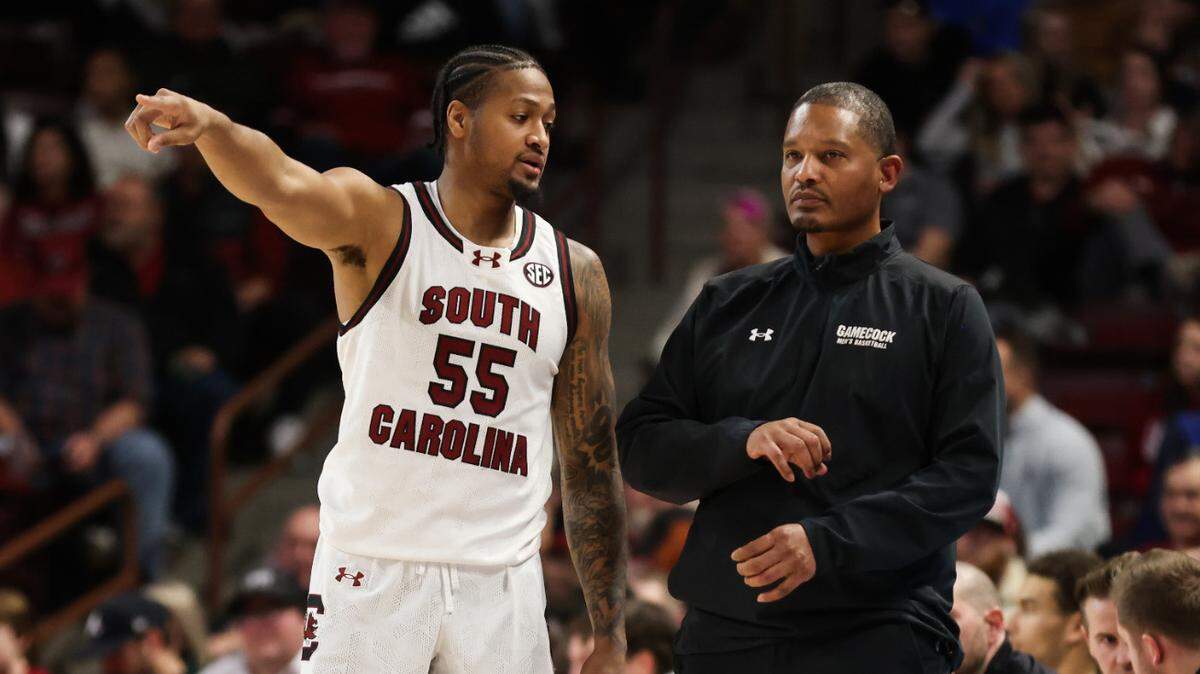
Wherever Ta’Lon Cooper goes, a basketball goes with him. He doesn’t plan on changing that any time soon.
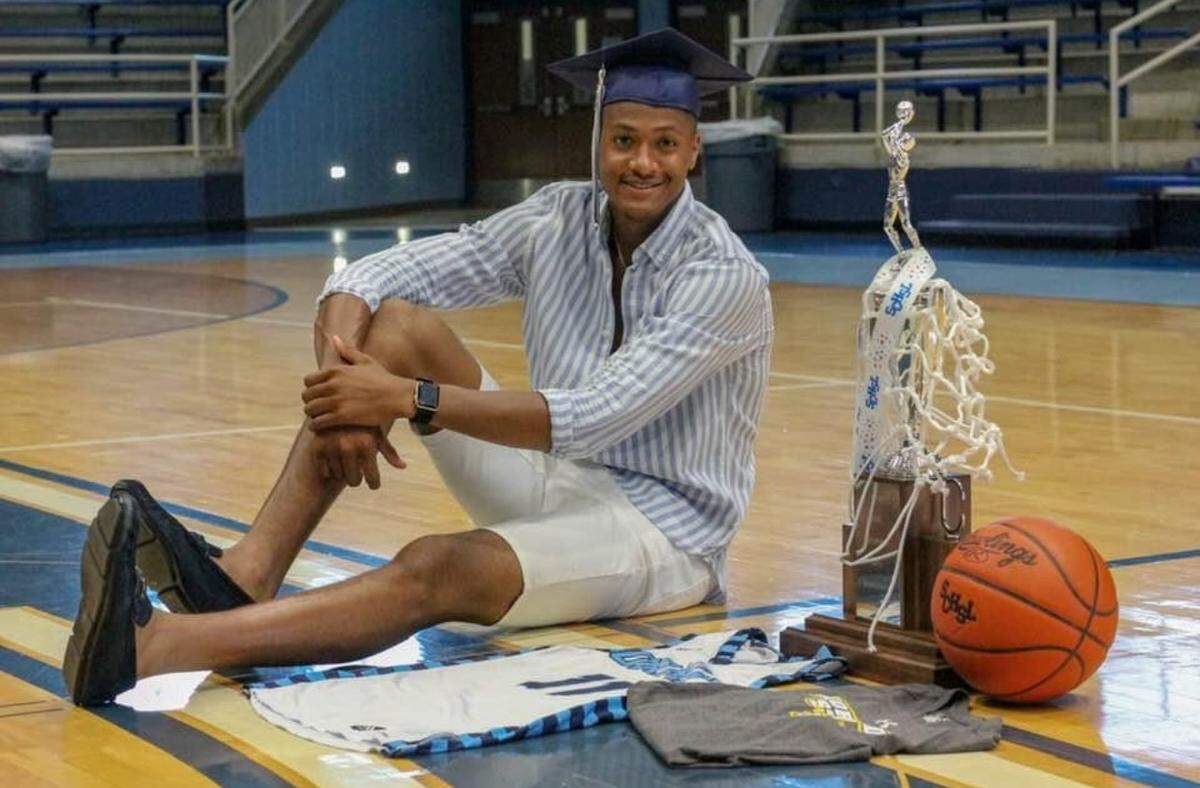
He still plays for the 3-year-old whose parents never missed a basketball game, the Dorman High School star who won back-to-back state championships in high school, the recent college graduate who came back home to the University of South Carolina for his final year of collegiate sports.
Those are his memories of playing the sport.
Cooper’s next steps are, in a way, already planned out: He wants to become a basketball coach. Leading a group of young men through the the same highs and lows of the sport he’s experienced.
Originally, Cooper’s plans were something he thought might be fun, but were kept to himself. Ask his parents, they’ll say they could have predicted Cooper’s coaching aspirations a long time ago.
“That’s all he does,” his mom, Nataki, said. “If you notice, whenever he’s out there on the floor, he’s definitely the coach on the court.”
Cooper’s dad, Curtis, praised his son for his in-depth understanding of the game. Cooper’s upbeat attitude is on full display: the trivia questions he asks during USC’s social media “Ta’Lon Tuesdays,” the pregame and postgame fist bumps he has with his team, and the brief interactions he’ll have with the Colonial Life Arena crowd mid-game all suit the personality of a future coach.
“Every school I’ve been to, a lot of coaches are always telling me that,” Cooper said, “I’ll be cheating the game if I don’t coach.”

Cooper grows with the game
Cooper is in his final year of collegiate eligibility, sitting among what was once a near rag-tag group of transfers and players put together by second-year head coach Lamont Paris. That’s not the case anymore.
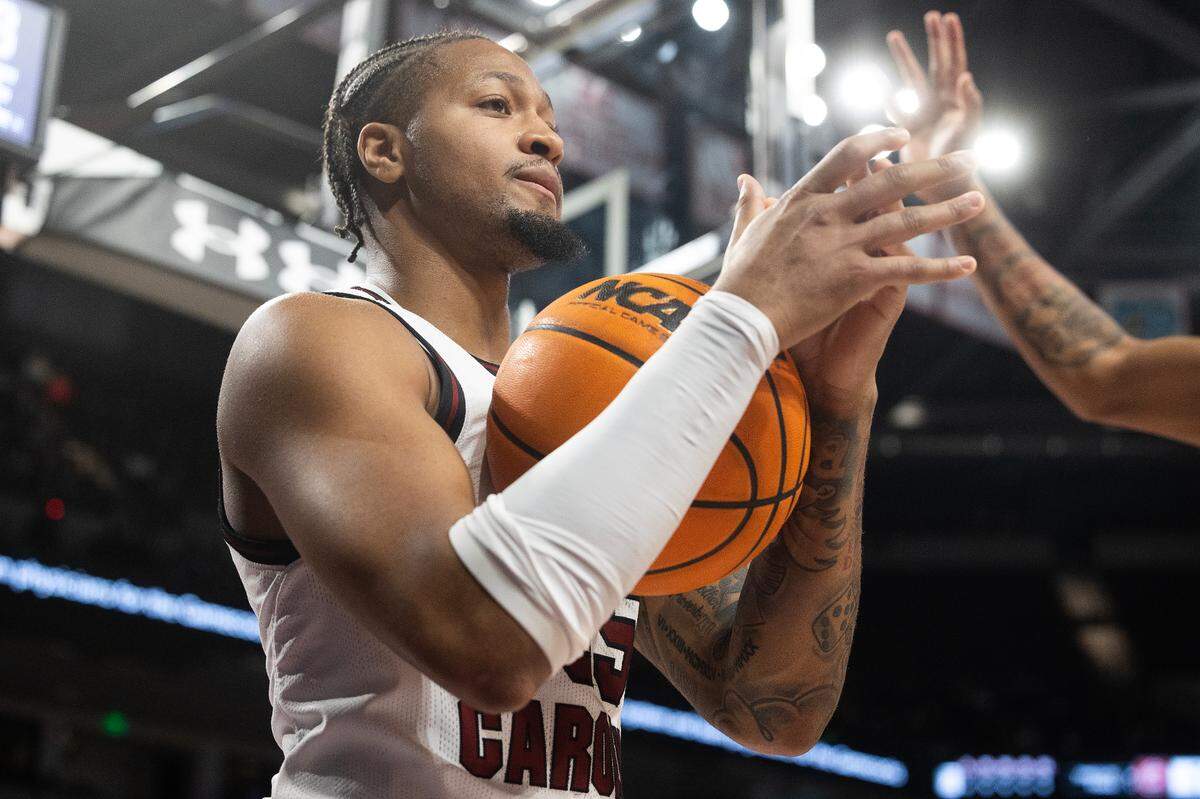
South Carolina is nationally ranked, on track for a run in March Madness and has caught the attention of the college basketball world. Cooper’s efforts have been a quiet but large part of that success. He’s taken over as a productive starting point guard, running USC’s offense since November.
He’s started every game, leads the team in minutes (33.6) — almost five minutes more on average than the next-closest Gamecock — and he’s tops in 3-point percentage (45%) and assists (4.4 per game). He’s also third in scoring (9.8).
Cooper is often one step ahead on the basketball court. Every possession, ball in hand and his opponent just steps away, Cooper scans every inch of the court. He’ll analyze his next move in seconds, occasionally yelling or motioning directions to his teammates. In team huddles, he’ll point out the opponent’s nuances or things USC needs to fix on the court.
His understanding of basketball has impressed just about every coach South Carolina men’s basketball has faced this season. He came to USC after stints at Morehead State and Minnesota. He’s improved his statistics every season, while changing schools and increasing the competition level.
“I think he’s one of the better guards in our league,” Arkansas head coach Eric Musselman said Jan. 20, “and probably not nearly talked enough about.”
Cooper rarely played youth basketball with kids his own age. He always played in the age bracket above him.
He’s the third of four kids in the Cooper household and the youngest brother. All four played basketball throughout their childhood, and Cooper wasn’t afraid to turn a five-minute 2-on-2 game into an intense competition.
Curtis Cooper was his first coach. The father-son duo were playing together when Cooper was only 3 years old. Early on, his parents recognized Cooper’s natural talent and his joy of playing.
“It just shocked us how advanced he was over all the other kids,” Nataki said.
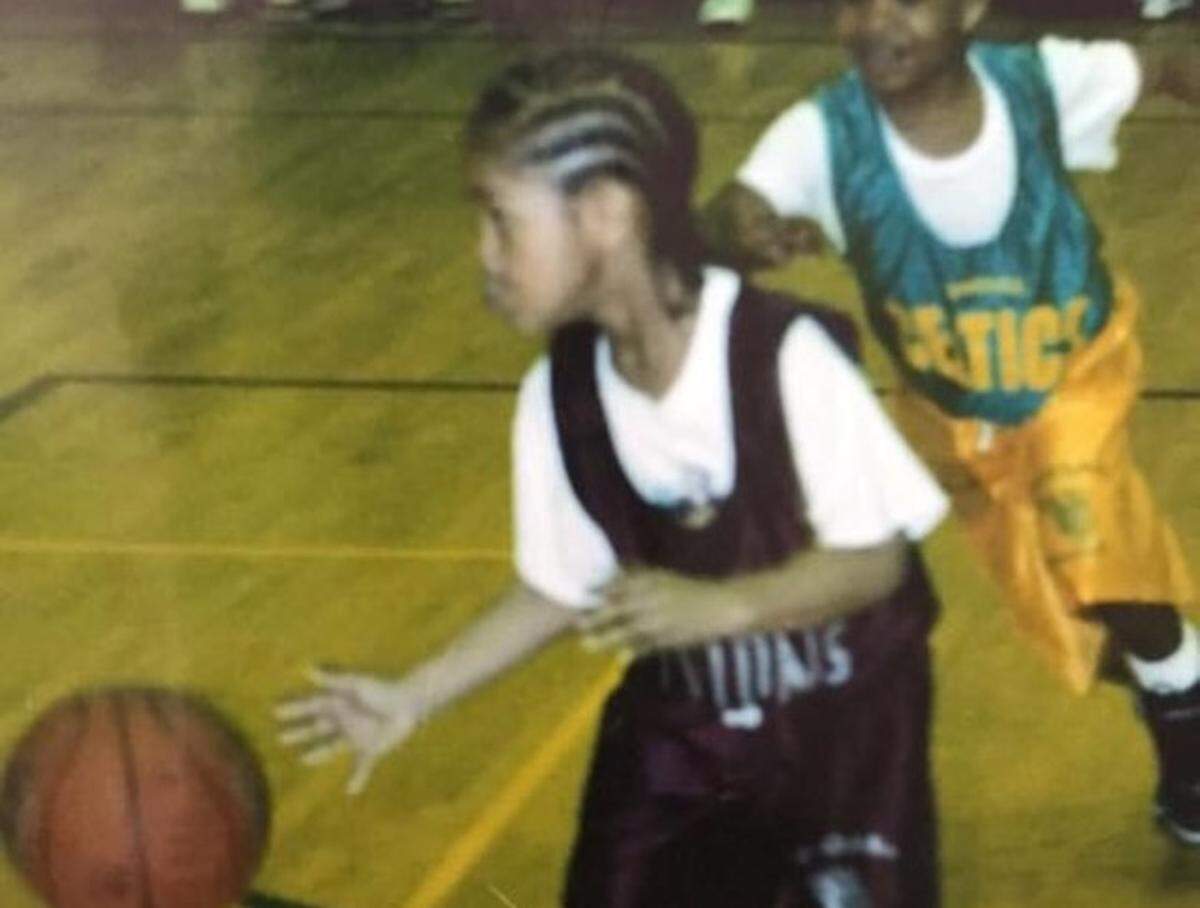
Nataki called Cooper “Tigger” when he first started playing, joking that it came from him running and jumping around the court with the elementary- and middle-school kids Cooper played with. He was always excited to play, even when he was still learning the basics of the game.
“He was just bouncing around out there,” his mom said, laughing. “But my husband and he stuck with it. And he knew that Ta’Lon was going to be something special.”
Curtis had to move Cooper up from his third-grade team to the fifth-grade league, and from there on Cooper rarely played with kids his own age until high school. There, he worked with Dorman High School head coach Thomas Ryan.
Cooper visited Dorman High during the offseason and over breaks, even stopping by the night before South Carolina hosted Vanderbilt on Feb. 10. Ryan invites his former players to shoot around with the Dorman varsity team often. It allows Cooper the opportunity to visit his former coach and the seniors he knows still playing at Dorman.
“I think our players look up to him,” Ryan said. “What kind of hard work they put in, you know only helps us and it’s just great role models for our current guys.”
Cooper had an opportunity to work as a coach at the Greenville Basketball Combine after he began playing in college, mentoring players of all ages. That was one of the first moments he realized coaching was a passion.
The organization isn’t operating anymore, but Cooper’s connection to Dorman allowed him to keep working with high-schoolers in the Roebuck area in the offseason.
“He excites me, especially when I see the qualities in Ta’Lon. I think he can really be a good one,” Ryan said. “He has a chance to impact young men’s lives and coaching. We want to win games, but it’s about impacting and making better fathers, husbands, friends and community members, and I think Ta’Lon has those qualities.”
Making his final season of basketball count
During those offseasons is when Cooper chose to transfer schools, going from Morehead State to Minnesota in 2022 then to South Carolina last March.
Cooper had the opportunity to commit to USC in 2022, after Paris recruited him in the transfer portal. Cooper chose Minnesota and led the Gophers in assists per game. When Paris reached out again in March 2023, Cooper decided to become a Gamecock for his final season.
“That was exciting, I had no problems with that,” Nataki said. “I was like, ‘Yeah, I get to come there every day.’ What better way to end his college career than to come home and play in front of his friends, family.”
During all three of his collegiate stops, Cooper picked up things he liked about each team’s coaching style, and things he didn’t like. Sometimes it was the style of basketball he was playing, and in other cases it was the way his coaches interacted with him and his teammates.
He won’t reveal any specifics, however. That’s reserved for the kids who get to learn from Cooper.
“I don’t want to get my secrets out,” Cooper said, laughing. “But I’ve got a couple of tricks up my sleeve.”
He wants to stay in college basketball, start as an assistant and maybe work his way to becoming a head coach at a university. The high school route is an option, too, but Cooper thinks that might be an opportunity much later down the line. He mentioned going back to Dorman High and returning to the school that set him on this path.
But Cooper hasn’t been coaching this year — he’s focused on South Carolina basketball and South Carolina basketball only. Yes, Nataki calls him the “coach on the court,” but Cooper’s desire to return to the NCAA Tournament for the second time in his career is taking priority.
“I’m trying to get through the season first,” he said. “It’s the last year, so I’m trying to make it count.”
So he’ll worry about the end of the regular season, the journey into USC’s postseason and, eventually, Cooper will say goodbye to college basketball. At least for a short while.
Nataki asked Cooper what kind of coach he wants to be, and he answered: someone like Paris.
“I ask him all the time,” she said, “ ‘Do you want to be like Lamont?’ And he’d be like, ‘Yeah, I could see that.’”
This story was originally published March 1, 2024 at 12:53 PM.