
Two years after NCAA Tournament, why is USC MBB stuck at bottom of SEC?
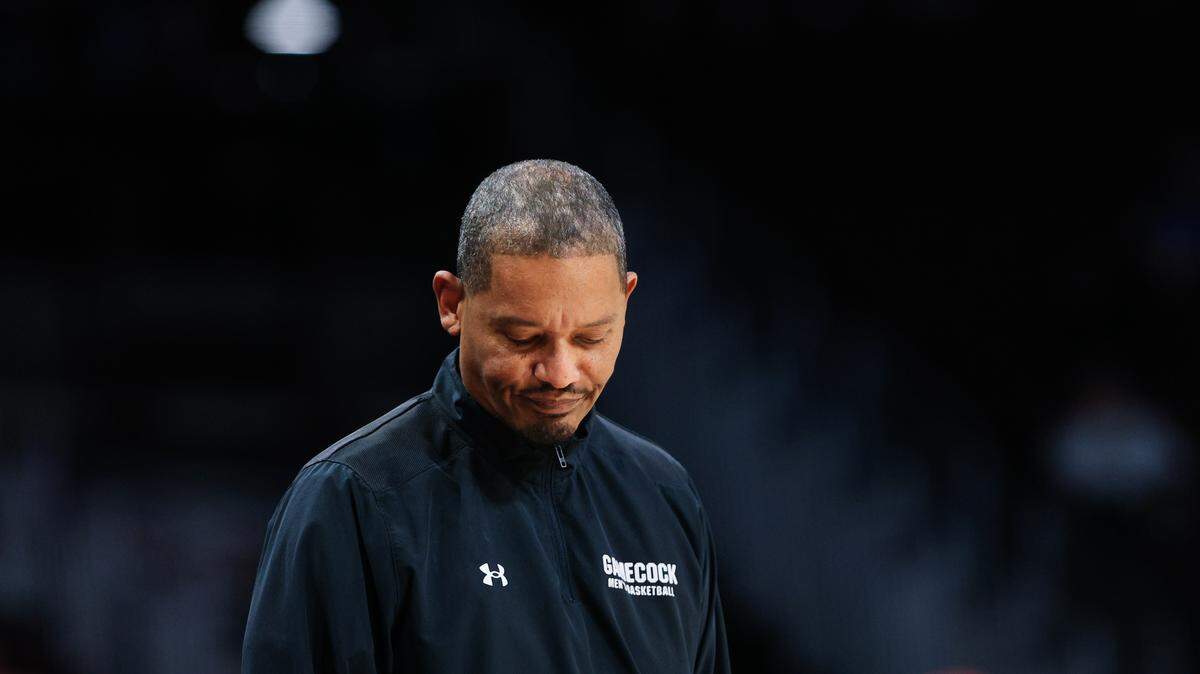
If second place is the first loser, does that make second-from-last place the first winner?
Two years ago, South Carolina finished tied for the second-best record in the SEC at 13-5 and flirted with a conference title. A program-best 26-8 record in the 2023-24 season was enough to get USC in the NCAA Tournament, where they fell to Oregon in the first round thanks to a 40-point effort from Ducks guard (and former Gamecock) Jermaine Couisnard.
While both of the aforementioned achievements are attached to losses, the Gamecocks — coming off of their first March Madness bid since the 2017 Final Four run under Frank Martin — probably felt like winners.
Then-USC Athletic Director Ray Tanner likely felt second-year head coach Lamont Paris was a winner, too, inking a six-year, $26.25-million extension with the former Chattanooga coach a week before USC’s tournament appearance. And Gamecock fans celebrated the news on social media in a time when Paris’ name had emerged in coaching searches, like at Ohio State, dangling the newly paid coach in others’ proverbial faces like the prize USC fans considered him to be.
Fast-forward two seasons, and the return on Paris’ extension (which paid him the 27th largest-known salary among Division I men’s basketball coaches last season) hasn’t been as fruitful as hoped. The Gamecocks are 24-38 overall and 5-29 in the SEC in two regular seasons since their first and only postseason under Paris.
If USC loses at Ole Miss in the regular-season finale Saturday, the Gamecocks will finish last in their conference for the second-straight year. If they win, the best USC can finish is 14th out of 16 teams.
As it stands, South Carolina (12-18, 3-4 SEC) is not a winner right now in men’s basketball.
And reports suggest Athletic Director Jeremiah Donati isn’t planning to make a basketball leadership change. Both ESPN’s Jeff Borzello and CBS Sports’ Matt Norlander reported in the past week that they expect USC to retain Paris for a fifth season.
“Despite some behind-the-scenes snooping on potential candidates, I don’t think this one is coming open,” Norlander wrote in a “hot seat” list published March 2.
“It sounds as if the school plans to increase Paris’ NIL budget, in the hope that he will turn things around next season,” Borzello wrote in his coaching carousel guide published on Feb. 25.
When pondering the coach’s future in Columbia, Norlander and Borzello mentioned Paris’ remaining salary of $18.5 million over the next four seasons and potential buyout if a move were made this offseason, which would amount to just over $12 million if USC fired Paris before April 1.
Still, why did the last two years go so poorly? And how can USC right the ship with Paris and avoid a coaching change?
Open the checkbook
Cash is king in modern college sports. And like the slogan says, it means even more in the SEC: Some of the biggest spenders in college basketball play in the same conference as the Gamecocks.
Kentucky’s $22 million roster is from the largest reported men’s basketball NIL budget in the country. Norlander reported that Arkansas’ budget was north of $10 million, and that at least four other SEC programs had budgeted $8 million or more for the year.
While it’s not known exactly what USC spent on its men’s basketball roster this season, it was nowhere near the top of the SEC. In fact, a USC athletics source told The State after last season that the 2024-25 NIL budget was the smallest in the conference at less than $2 million.
“Candidly, (Paris) needed more NIL support,” Donati told The State last year. “We had one of the lower budgets in the SEC. And while that is not the only reason why we didn’t see the results we had hoped, it was a significant factor.”
If USC doubled or even tripled its NIL budget from last season, it still would miss the top range of spending by $2 million or more. And while the Gamecocks’ spending is perhaps better measured against the other bottom-half SEC programs than they are against the high rollers, it’s not unreasonable to assume most, if not all, of the SEC bumped their budget from last season to this one.
Roster holes
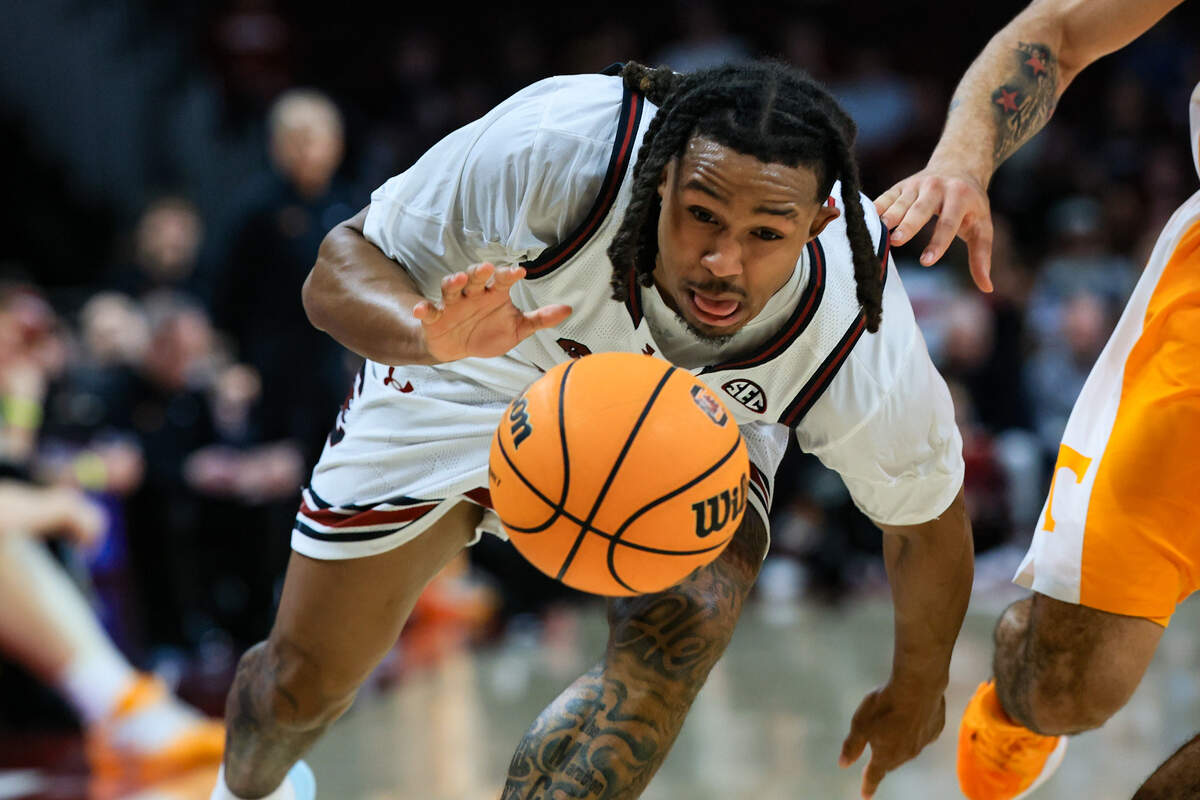
The result of USC’s relatively small budget for its roster the last two seasons was detrimental to its success.
In a Paris offense that requires a solid feel for the game and the natural flow of offense, the Gamecocks didn’t roster a reliable floor general last season. Jamarii Thomas was the only USC player to average three or more assists per game (he averaged exactly 3.0, tied for 17th in the SEC).
The Gamecocks were able to use their extended budget for 2025-26 (and a close relationship with Paris) to recruit Meechie Johnson back to USC, where he’s taken on the point guard role and is putting up a career-high 17.3 points and 4.3 assists per game. What USC did not bring in this season was a true paint presence, particularly on the glass.
USC has two 6-foot-10 or taller players — Jordan Butler and Providence transfer Christ Essandoko — which makes the Gamecocks undersized in their conference. Only Auburn, Ole Miss, Texas, Vanderbilt and Georgia have fewer than three players that tall, or less than half the conference. Alabama, Arkansas, Florida, Kentucky and Missouri have five such players each.
While size doesn’t always correlate to rebounds, the rest of USC’s roster wasn’t making up the difference for the Gamecock bigs this year.
South Carolina is the SEC’s worst rebounding team — at 32.5 boards per game — a mark that ranks 311th nationally. Paris surely missed the efforts of departed NBA player Collin Murray-Boyles and Arkansas center Nick Pringle, who both put up top-20 rebound averages in the SEC a year ago.
In its most recent tournament run, USC was 10th in average rebounds and fifth in average assists among SEC programs. Paris’ offense, like most successful offenses in basketball, needs a point guard and someone to control the paint, but players with the size and skill to fill those roles often command the most money.
If USC wants to recruit like the best, even the best elevator pitch in the world won’t do the trick. The Gamecocks must spend more money on their roster next year.
Shop smarter, find hidden gems
Believe it or not, spending more is the easy solution. Probably every single college basketball program in the country would benefit from a larger budget, and USC is certainly aware that its spending doesn’t match up with the top teams.
And the reality is, the men’s basketball program will probably never catch up to the top-end budgets in the SEC.
Football is king at USC. The baseball team has more history to warrant an immense turnaround effort. And few, if any, women’s basketball programs in the nation have a better argument for a budget increase than Dawn Staley’s Gamecocks.
It’s likely no one is dying to spend the money it would take to simply buy Paris a better roster (or alternatively, spend the even more money it would take to buy out Paris’ contract for an established elite coach). No matter how much the Gamecocks spend next year, the remaining talent gap has to be closed another way.
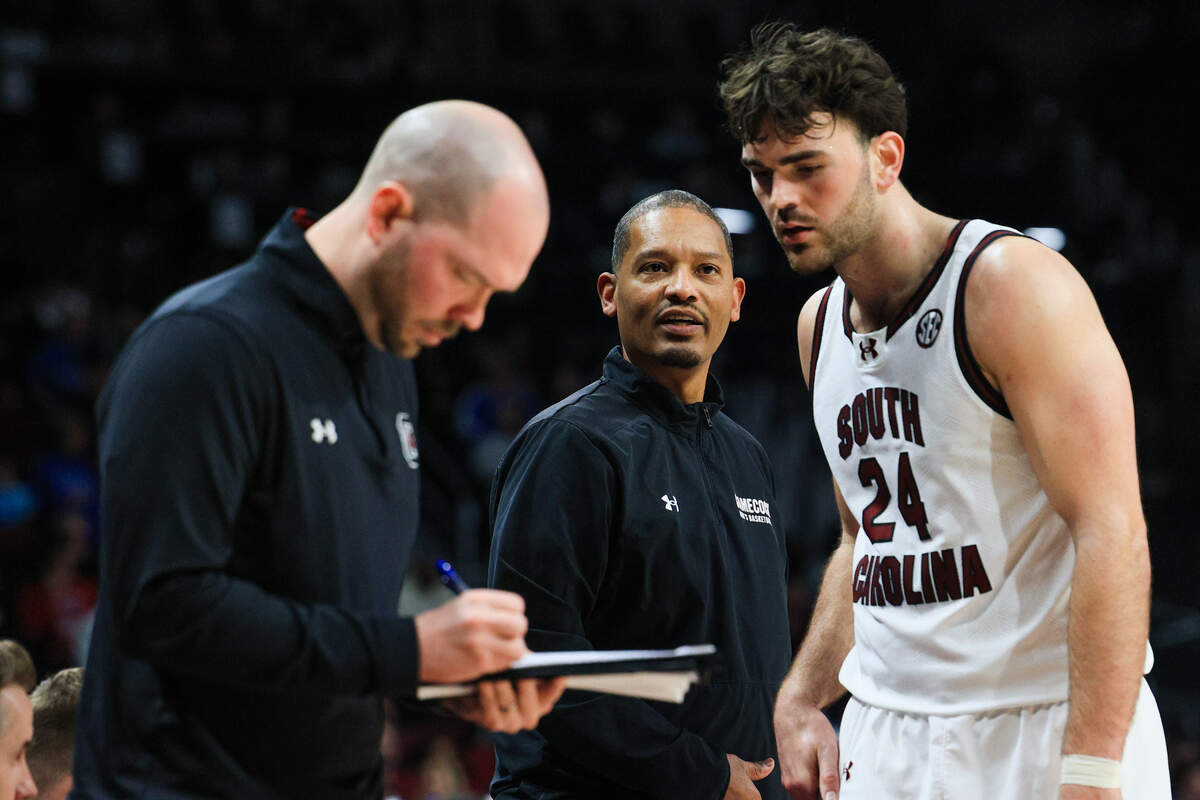
USC has to spend smartly and nail transfers other programs aren’t going after. And Paris’ 2023-24 team shows it’s possible.
South Carolina’s two best transfer recruits since Paris arrived in Columbia — Talon Cooper and BJ Mack — were leaders of the 2024 NCAA Tournament team. Cooper finished with the fifth-most assists per game in the SEC (4.2) and led the team with a 45.9% 3-point percentage. Mack was the team’s second-leading scorer and rebounder, and served a solid interior presence despite standing 6-foot-8.
Cooper and Mack were three- and four-star transfers, respectively, according to the 247Sports rankings. And neither were top-100 in the 2023 transfer class.
Of the nine transfers USC has signed in the two classes since making the tournament, only two signees (Elijah Strong and Kobe Knox) had lower transfer ratings than both Cooper and Mack. Jordan Butler didn’t receive a rating as a transfer, but was rated higher than both as high school recruits.
Knox and Strong are the only two USC players besides Johnson to average double-digit points in SEC play. Two of USC’s 2025-26 transfers, Nordin Kapic and Essandoko, play less than 10 minutes per game and both average fewer than 3.5 points per game.
Cooper and Mack were only two players, but even one more hidden gem in the 2025 class might’ve done wonders for the Gamecocks.
USC’s next steps to make its men’s basketball program a winner again will require some financial investment. The Gamecocks need to spend that money wisely.
This story was originally published March 6, 2026 at 10:02 AM.