‘I can love baseball and be gay.’ How the Fireflies celebrated with first Pride Night
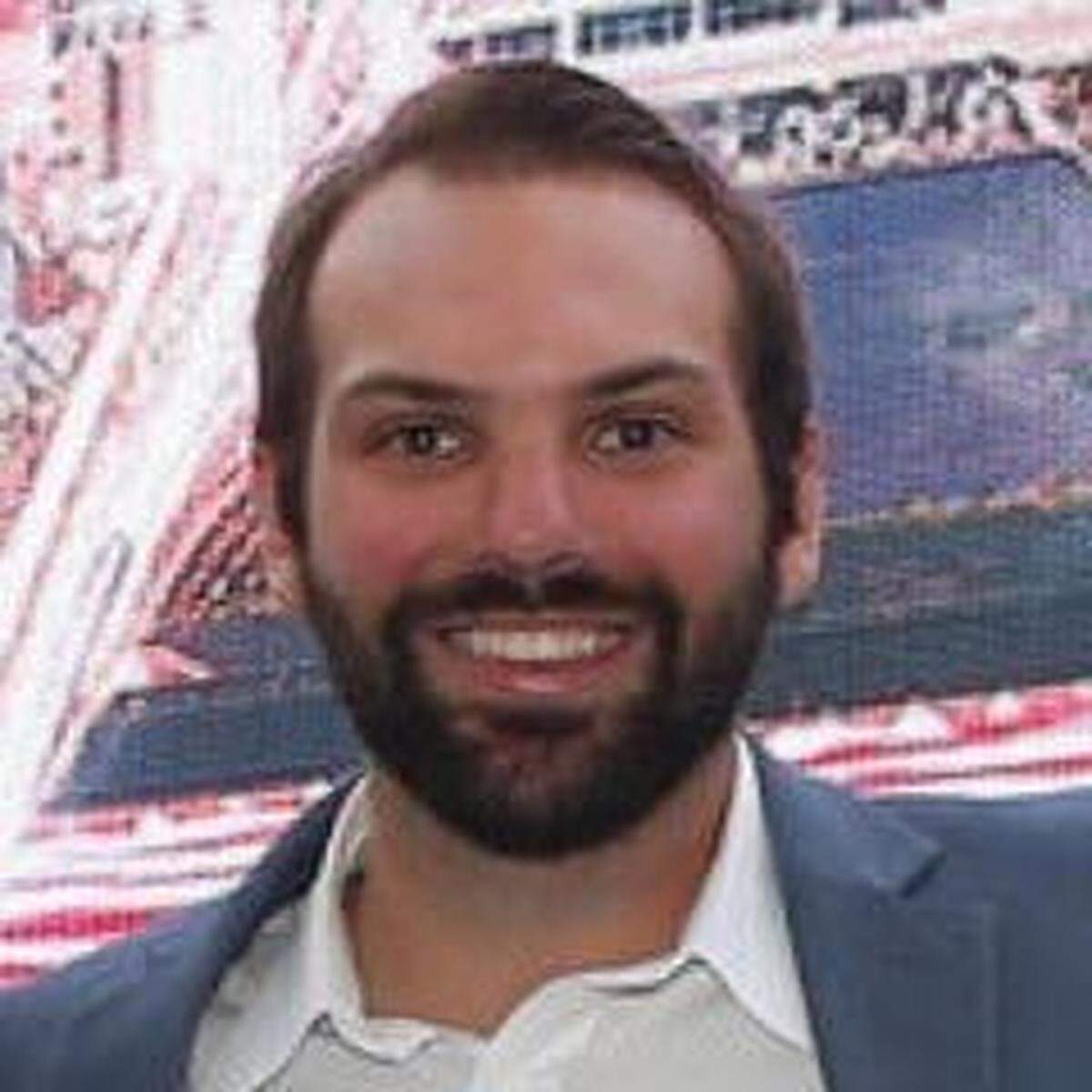
The moment affected Tyson Lusk on multiple levels. Like everyone else in the sports world, he watched Oakland Raiders defensive lineman Carl Nassib come out as gay on an Instagram video this week — becoming the first active NFL player to ever come out.
When he saw it, Lusk swelled with pride, knowing first-hand the joy that comes with expressing one’s authentic self. The video brought Lusk back to his own coming-out moment — and also to the fear and trepidation that came beforehand.
The nerves were palpable in 2016, when Lusk stood in front of the South Carolina baseball team and told the Gamecocks he was gay. Then the team’s director of baseball operations, Lusk had no idea how the players and coaches might respond, what they could say, if they’d think of him differently.
Those fears quickly dissipated. Lusk received nothing but support from the Gamecocks, from then-head coach Chad Holbrook, from athletic director Ray Tanner and the administration. The love was so inspiring that Lusk decided, much like Nassib, to take his story to a national platform.
On National Coming Out Day on Oct. 11, 2016, Lusk came out to the college baseball world via an exclusive story with D1Baseball.com. In doing so, he became one of the first and most prominent people to publicly come out in Division I college baseball.
Lusk didn’t do it for notoriety. He did it because representation matters in a sports world that has been slower to embrace LGBTQ issues than general society. Just two Major League Baseball players have publicly come out — the last in 1999. Nassib just became the first active NFL player to do so.
Before he came out, Lusk remembers how much it meant to him to see sports teams and organizations issue statements in support of LGBTQ pride.
“When it comes down to it — I’m not being dramatic — it helps change lives,” Lusk told The State. “And it helps people really be who they truly are. It helps folks understand that they’re not alone and that their favorite sports team is right there and has their back.
“When you’re in a space where you’re trying to figure out how to share with folks your orientation, it’s really reassuring to know that the same things that you love, they love you back.”
When Lusk first started working in college baseball as a student manager for the North Carolina Tar Heels in 2005, he never imagined he would one day become a vocal leader in the LGBTQ community. But since 2016, Lusk has not only publicly embraced his identity but he’s worked to help others on their own journeys.
Now an assistant director of development in the USC athletic department, Lusk has been a key voice in trying to create a more inclusive environment for USC student-athletes. In 2019, he helped organize South Carolina’s appearance in the Columbia Pride Parade, where more than 100 USC student-athletes participated and where the Gamecocks’ parade float won first place.
On Thursday night at Segra Park, home of Minor League Baseball’s Columbia Fireflies, Lusk was among several local LGBTQ stakeholders attending the Fireflies’ inaugural Pride Night game. The event was years in the making, inspired by an organizing committee of local leaders like Lusk, SC Pride president Jeff March, SC Black Pride president Darius Jones and other prominent members of South Carolina’s LGBTQ community.
Years after nervously coming out in front of the Gamecocks baseball team — and then the entire baseball world — Lusk beamed with pride from the Segra Park concourse Thursday night, wearing a rainbow-colored Under Armour shirt. And he was far from the only one.
An LGBTQ pride flag hung from the main gate, dancing in the wind, as fans in rainbow-colored shirts and Pride-themed Fireflies jerseys flooded the park. Rainbow colors were everywhere.
One LGBTQ couple from Lexington — Jamie Ayres and Sunshine Dempsey — walked through the front gate while holding hands. And they continued to hold hands as they navigated the ballpark, going from table to table on the concourse to collect information from various local LGBTQ organizations. Ayres said it felt wonderful to come to a sporting event, especially in the South, that was so welcoming and accepting.
Added Dempsey:
“I’ve been out for a long time, and we always hold hands when we’re out. But I think it really means a lot to have the park make a night specifically in recognition of Pride.”
Fun for all
Fireflies team president John Katz doesn’t necessarily like using the word “inclusion.” To him it implies that, at one point, certain people were excluded. From the moment Segra Park opened its gates in 2016, Katz has never wanted any fan to feel that way.
The Fireflies’ team mantra is “fun for all,” and that’s more than just a marketing slogan. It’s something Katz and the organization try to embody with everything they do.
Katz remembers going to his first Pride event with his wife a couple of years ago, where she was giving away “mom hugs” to members of the local LGBTQ community. Katz found himself so energized by the event, he started hugging people, too.
He wanted to bring that same kind of energy to Segra Park.
“I think it’s really, really important,” Katz told The State. “If you go back to 2014, when we first started designing this ballpark, we wanted to design and build a place that was welcoming for everybody. And in baseball in particular, there have only been two players that have ever come out. One towards the latter stages of his career, and one a few years after — and that was 1999.”
Those players are the late Glenn Burke, who played for the Los Angeles Dodgers and Oakland Athletics in 1976-79, and Billy Bean, who played for the Tigers, Dodgers and Padres in the late 1980s and early 1990s.
Now serving as MLB vice president and special assistant to commissioner Rob Manfred, Bean was one of the many people Katz turned to for guidance as he and the Fireflies worked to put together Pride Night.
For Katz, it was important to seek feedback from the LGBTQ community directly. Lusk said he appreciated how thorough Katz and the Fireflies were in making sure the team hit all the right notes with the event.
The Fireflies partnered with five local organizations: SC Pride, South Carolina Black Pride, the Harriet Hancock Center, the AIDS Healthcare Foundation (Columbia Center) and Palmetto AIDS Life Support Services. Each organization set up a table on the concourse, providing information and resources to fans as they entered the ballpark, and each received a $1,000 from the Fireflies’ parent club, the Kansas City Royals.
The Fireflies auctioned off a set of custom Fireflies Pride jerseys during the game, with 100% of the proceeds going to those five Pride organizations. The team also sold Pride T-shirts and hats to fans, with 20% of the proceeds going to the Pride groups.
March, the SC Pride president, said he had been pushing for a Pride event ever since the Fireflies relocated to Columbia in 2016.
“I think it’s important to recognize it in any world, but in the sports world especially, because there used to be a lot of homophobia in sports and a lot of preconceived notions that we don’t play sports,” March told The State. “We do. We’re everywhere. And with the environment being so accepting more and more every day, we’re more visible.
“So it’s a good thing. And days like today are great for families to come out and learn more about the LGBTQ community.”
Fostering acceptance
Minutes after Nassib posted his coming-out video on Instagram, headlines dominated the airwaves. The magnitude of the moment sent ripples across the sports world, eliciting statements of support from NFL commissioner Roger Goodell, the Raiders and athletes across the country.
As the first active NFL player to come out, Nassib’s announcement was deservedly major news.
But does it always need to be that way?
“I actually hope that one day videos like this and the whole coming-out process are just not necessary,” Nassib said in the video. “But until then, I’m going to do my best and do my part to cultivate a culture that’s accepting, that’s compassionate.”
The reality is that the sporting world — especially men’s sports leagues like the NFL and MLB — still has room to grow in terms of LGBTQ acceptance. Announcements like Nassib’s and events like the Fireflies’ Pride Night remain the exception more than the norm.
One of the many goals of Pride events is to create a sense of normalcy — so that nothing feels all that different about attending a sporting event adorned with rainbow flags and Pride symbols.
“I just want the normality of (the fans’) reaction to be a normal reaction, you know what I mean?” March said from the SC Pride table at Segra Park. “And just be like, ‘Oh, they’re gay, it’s cool.’ I just want everybody to see us as everybody else.”
Lusk remembers attending Pride parades before he came out, when he was still trying to build the courage to express his true self. The sense of community and support he felt at those events emboldened him on his journey and helped to get to where he is today, at peace with who he is.
Since he came out in 2016, Lusk said he’s had several people reach out to him and ask for his guidance, some of whom would go on to come out themselves. He helps organize Pride events because he’s always thinking about that kid in the crowd who maybe hasn’t found the nerve to tell their parents or friends yet that they’re LGBTQ or who has struggled to accept that piece of their identity.
Lusk used to be that kid.
“And that’s why it’s important to have these kinds of events everywhere, not just in New York, or LA or Austin, Texas, but to have it in places like Columbia, because there are a lot of LGBTQ folks here,” Lusk told The State. “And we want to make sure that other individuals understand that this is a safe place, and you’ve got organizations and teams like the Fireflies who want you to be a part of them and want you to come out and have fun and really be who you are. I think that’s really reassuring to folks.
“I think that gives them an added level of safety and security that, ‘Hey, I can be who I want to be and still love baseball.’ I can love baseball and be gay, and it’s perfectly fine and accepted and welcome.”
This story was originally published June 26, 2021 at 10:25 AM.