
USC allows sabbatical for art professor accused of sexual harassment
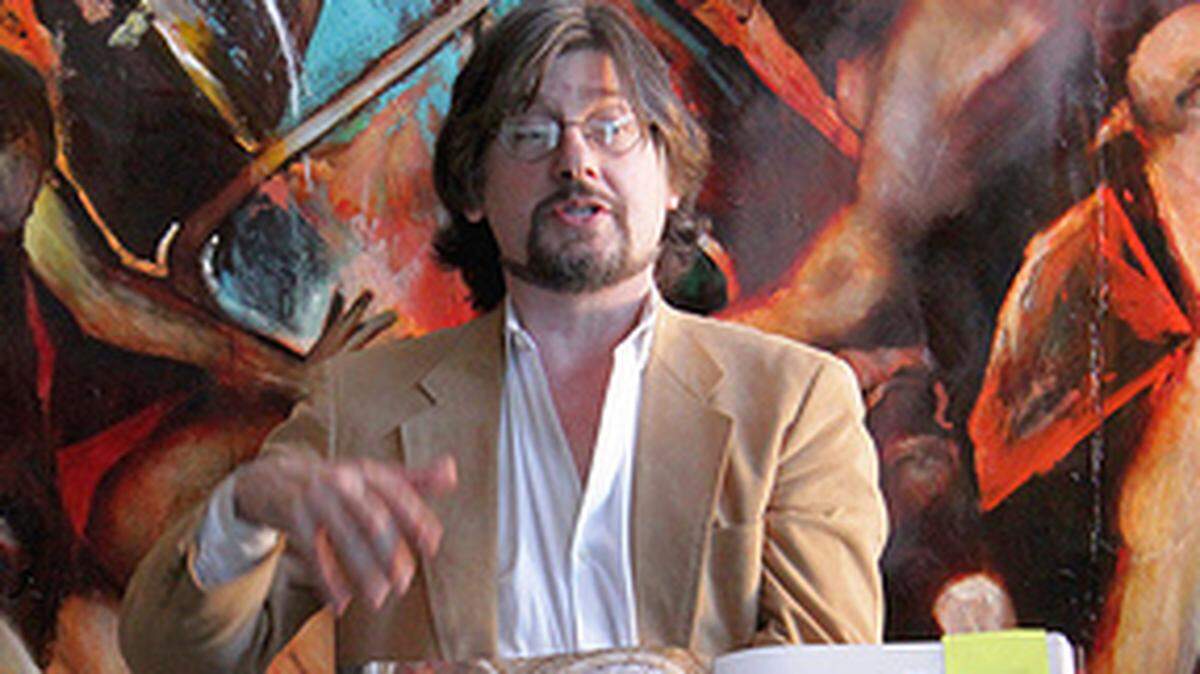
The University of South Carolina has granted sabbatical to a professor publicly accused of sexual harassment.
David Voros, a USC art professor who has been the subject of three sexual harassment lawsuits, was given permission to take a privileged, partially paid leave where professors typically work on individual projects or research, according to documents obtained by The State.
USC spokesman Jeff Stensland said Voros’ sabbatical request was approved by the department chair on Nov. 5, which is before the second and third lawsuits were filed against the professor accusing him of sexual harassment. Voros being granted sabbatical came to light after he was listed on a May 7 School of Visual Art and Design meeting as one of several professors whose sabbatical requests were approved.
Voros’ sabbatical will last for all of fall 2021 semester, and he will continue to be paid at his current salary of $81,681 per year, according to Stensland and the S.C. Department of Administration’s salary records.
Asked if it is possible to repeal sabbatical once it is granted, Stensland said, “That’s very uncommon, and the only case when that’s happened was when teaching or other responsibilities interfered with a planned sabbatical.”
Lauren Chapman, a former USC student who has accused Voros of sexual harassment and bullying, said it was “disheartening” to hear Voros was granted “a paid vacation” after facing multiple accusations of inappropriate behavior.
“They just want this to disappear,” Chapman said of USC. “They don’t care what happens to the women.”
After allegations of sexual harassment appeared in lawsuits and an investigate report in The State newspaper, former USC President Robert Caslen launched an overhaul of the university’s sexual harassment policies. The new policies include creating a Sexual Harassment, Sexual Misconduct, and Interpersonal Violence Office that will report directly to the president, a nationwide search for a new Title IX director and the creation of a committee to review cases of sexual harassment. USC also hired the law firm Cozen O’Connor to review the university’s sexual harassment and sexual assault policies, and to conduct a campus-wide survey of resources available on campus.
Voros was initially sued for sexual harassment in 2018, and the university settled for $75,000, The State previously reported. In December 2020, after two additional lawsuits by two more women were filed accusing Voros of sexual harassment, the professor was removed from classrooms and campus.
As of May 27, the two additional suits are ongoing, according to court documents.
The State has reached out to an attorney representing Voros in the legal cases.
Many, including student activists, have been calling for Voros to be fired since the first lawsuit was filed in 2018. But Voros being granted sabbatical indicates USC might intend to keep the embattled professor. The point of sabbatical, according to USC’s website, is to give full-time professors the ability to “increase their future contribution to the mission of the university” by conducting research or doing projects that are not feasible while working full-time.
“To be considered for a sabbatical leave, a faculty member must be a tenured associate professor or a tenured professor and must be eligible to serve for a reasonable period following the completion of the leave, this to be under no circumstances less than one year,” according to USC’s sabbatical application form.
When approving sabbatical, USC officials look at seniority and merit, but also “budget limitations, work loads, and other considerations. Therefore, it is a matter of administrative discretion,” according to the application form.
It’s unclear what Voros will do during sabbatical, but Voros was banned in 2019 from taking students on study abroad trips and from conducting independent studies with students, The State reported previously.
Though the sabbatical request was approved before Harris Pastides returned as interim USC president, several lawsuits have contended Pastides and Voros are friends, citing Pastides’ trips to Italy to visit Voros’ now-defunct study abroad program. In a deposition for the 2018 harassment suit, Pastides said his relationship with Voros was “no different than with any other faculty member.”
This story was originally published May 28, 2021 at 1:19 PM with the headline "USC allows sabbatical for art professor accused of sexual harassment."