
Saber-toothed cat roamed the earth 450K years ago. Its skull will be at SC museum
The cat’s out of the bag.
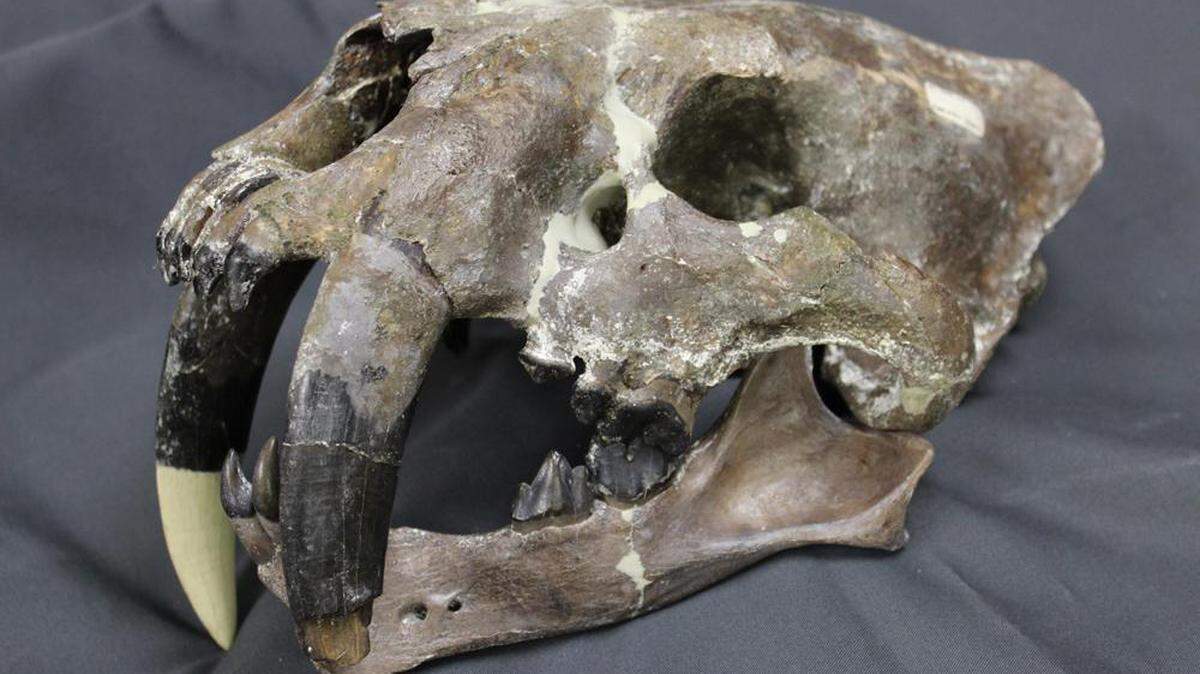
And next month, the skull of an ancient saber-toothed cat will be on display at the S.C. State Museum, more than a decade after it was found on the South Carolina coast and 450,000 years after the beast roamed the earth.
The fossils include the skull and lower jaw bone of the cat, which is known as a Smilodon, according to Dave Cicimurri, curator of natural history at the State Museum. They were found in 2003 in a cement quarry just north of Harleyville in Dorchester County.
“Based on the plant and animal fossils that were found, as well as the gravelly sand that the fossils were buried in, we think that the saber-cat lived in a forested habitat” between 400,000 and 450,000 years ago, Cicimurri said in a release from the museum.
Researchers believe the saber-cats hunted by getting as close to their prey as possible before attacking.
“Once close enough, they used their powerful front legs to grab and wrestle down the prey, then deliver a killing bite to the neck with the long, serrated fangs,” Cicimurri said. “Pieces of meat would have been bitten off and sliced into smaller pieces by the scissors-like teeth near the back of the jaws.”
Fossils from the Smilodon also have been found in other parts of South Carolina, including Edisto Beach and the city of Summerville, according to the museum.
The skull will be on display at the museum beginning Aug. 25 as part of a special exhibit to celebrate the museum’s 30th anniversary. The exhibit will be free with general admission.
This story was originally published July 19, 2018 at 9:50 AM.