
Found an injured animal? Independent wildlife rescue fills gap in animal care
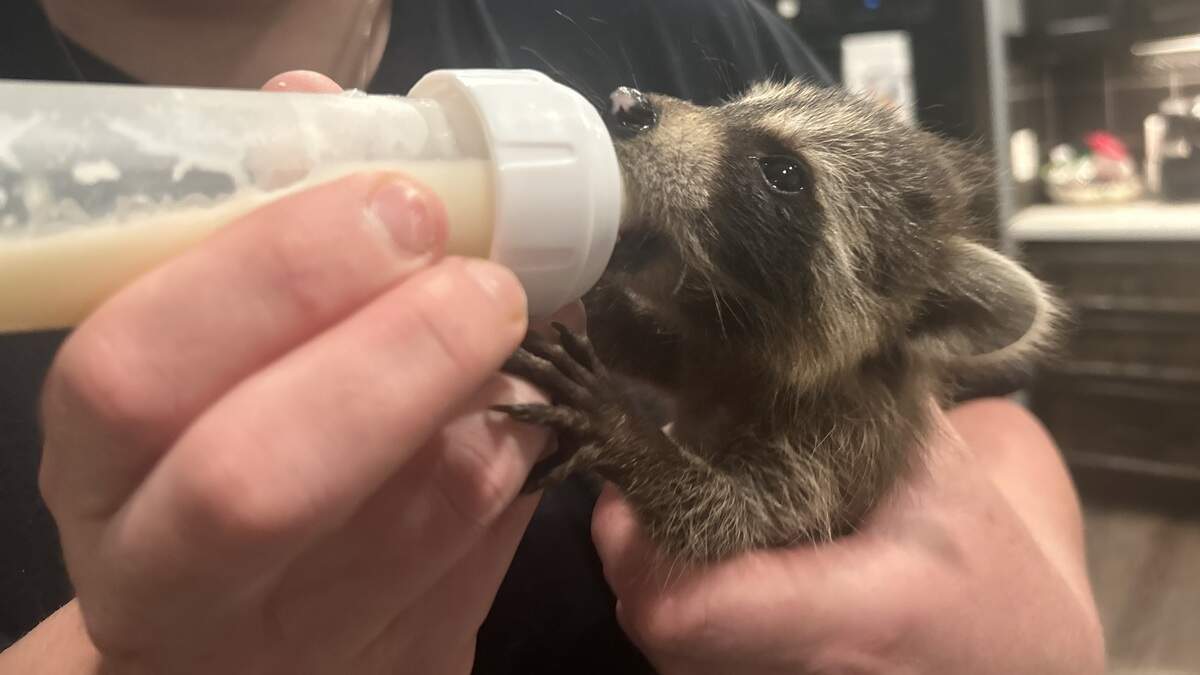
Down an unmarked gravel road in Chapin, through an acre of forest, Heather Cooper nursed a raccoon named Freddy at the wildlife rescue she started. Hit by a car near her house, Freddy, who can only move in circles due to neurological damage, would not have lived long if Cooper did not find him.
When Chapin residents find an injured or orphaned wild animal, many call Snug Harbor Wildlife Rescue. The independent rehabilitation center helps meet a growing need, as larger facilities can quickly run out of space and immediate assistance is not always available, Cooper said.
“South Carolina’s rapidly expanding population is bringing more people and development into conflict with wildlife and their historic habitats,” the South Carolina Wildlife Foundation wrote on its website.
There are multiple rescue organizations in South Carolina, including Carolina Wildlife, that respond to wildlife emergencies across the state. Having a close relationship with the other rescues and the S.C. Department of Natural Resources, which keeps Cooper up to date on permits and guidelines, helps cover larger areas.
Larger rescues can become “hard to reach,” especially during the baby season, Cooper said. “That’s why we’re here.”
Here’s what to know about independent wildlife rescues — and who to call if you find an injured or orphaned animal.
Filling the gap
All over her 23-acre property, including in her house, dozens of squirrels, opossums and raccoons screech, whine and play. Even ones released on her property come back for a “free buffet.”
“Oh, that’s Rambo,” Cooper said, looking at a squirrel in her yard from a glass porch door. “He hasn’t been back in a while.”
The shelter mainly gets calls about squirrels, opossums and raccoons. But on Tuesday night, it was also home to a baby bat, two tortoises and two wild pigs. Many of them will be with Cooper for life.
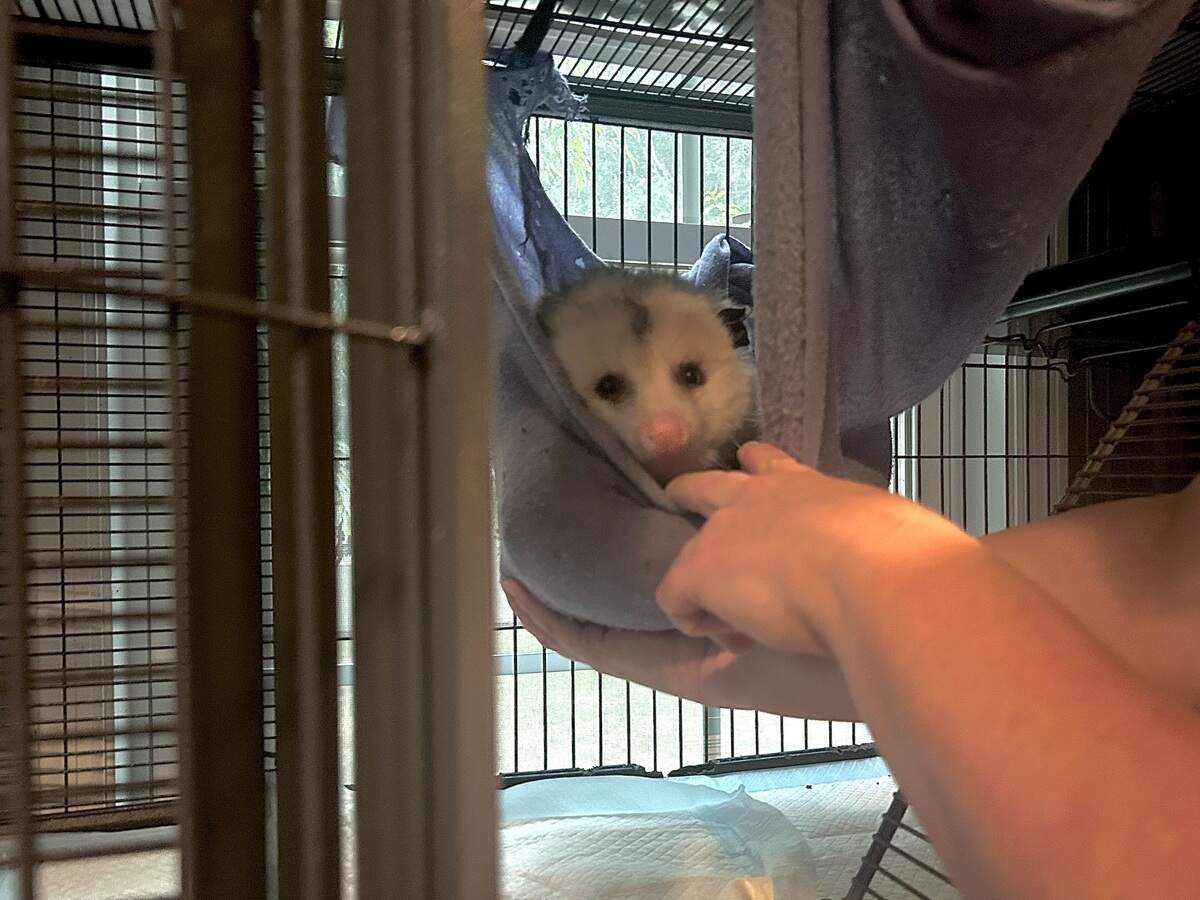
Raccoon Freddy and squirrel Stuart both suffer from neurological damage and are undergoing therapy. Mama Mabel, who was hit by a car earlier this year, lost both of her eyes in the accident. She becomes distressed when separated from her babies, which Cooper said will eventually need to be released. Another opossum, Timmy, is paralyzed in his lower half. Cooper said she plans to build him a wheelchair.
Other squirrels and opossums that make a full recovery, are typically released on her property. Combined with neighbors that support Snug Harbor, Cooper has over 100 acres of forest to release animals, but she is constantly looking for new spots to limit overcrowding.
“I put ads on Facebook, posting in community groups, trying to find somewhere that has enough acreage, that has a water source,” Cooper said.
There’s a lot that goes into it, she said.
“Is land going to be sold off?” she asked. “Do they have neighbors close by? Would surrounding properties be OK with it? Is it hunted? And just making sure they have plenty of natural resources.”
Between caring for the “forever babies” and taking an average of 40 calls, with half being from the Chapin area, Cooper is busy all day and sometimes, throughout the night.
“We do it for free, like freaking crazy people,” she said. But it’s so rewarding. Like when you see them go.” Cooper trailed off, holding one of the baby raccoons that will be released soon.
Cooper stops to pet one of the two wild pigs on the property, Tulip and Peaches, and greets one of her neighbors.
Hoping to start an education and outreach program, Cooper welcomes people to visit often. Two regulars, Jessica Muller and her daughter, Lauren, know every animal by name.
“It’s been good for my daughter to be around here and help,” Jessica Muller said. “It’s great for the kids to see the compassion, the hard work that goes into it. It’s all nonprofit, so you have to love it. You really have to love it.”
Found an injured animal?
Whether it’s a raccoon, a deer or a wild bat, wildlife rescues — including Snug Harbor and Carolina Wildlife — serve communities across the state. When residents find an injured animal, they should call a rescue group for guidance on what to do next.
Residents should avoid putting themselves at risk to help injured wildlife. The S.C. Department of Natural Resources advises that native wildlife should only be rehabilitated by experienced professionals and does not recommend that the public attempt rescues on their own. Those who want to start an independent organization, like Cooper’s, must obtain their own permits before operating.
Across the state, rescues, including Snug Harbor, welcome volunteers. Some require specific permits or training to assist with animals, but even without hands-on care, people can clean cages, transport animals or help with outreach events.
People should also prepare to get dirty, to wake up in the middle of the night and to go through the highs and lows of rehabilitation, Cooper said. Some wildlife cases can be difficult, frustrating and even heartbreaking.
“But if you don’t fall in love with every animal that comes into your care, what are you doing?” she said.
Wildlife rescues in South Carolina
- Snug Harbor Wildlife Rescue, Chapin, 803-767-8974
- Animal Rehabilitators of the Carolinas, Rock Hill, 704-552-2329
- Carolina Wildlife Center, Columbia, 803-772-3994
- The Center for Birds of Prey, Charleston, 843-971-7474
- Keeper of the Wild, Walterboro, 843-636-1659
- Palmetto Wildlife Rescue and Rehabilitation, Lexington, 803-969-0803
- Paws Animal Wildlife Sanctuary, Waterloo, 864-683-3190
- Two Hearts Wildlife Rehab, Sunset, 864-643-9876
- Wildlife Rehab Group of South Carolina, Greenville, 864-233-0339