
How to deal with a bat infestation in SC - it’s harder in the summer
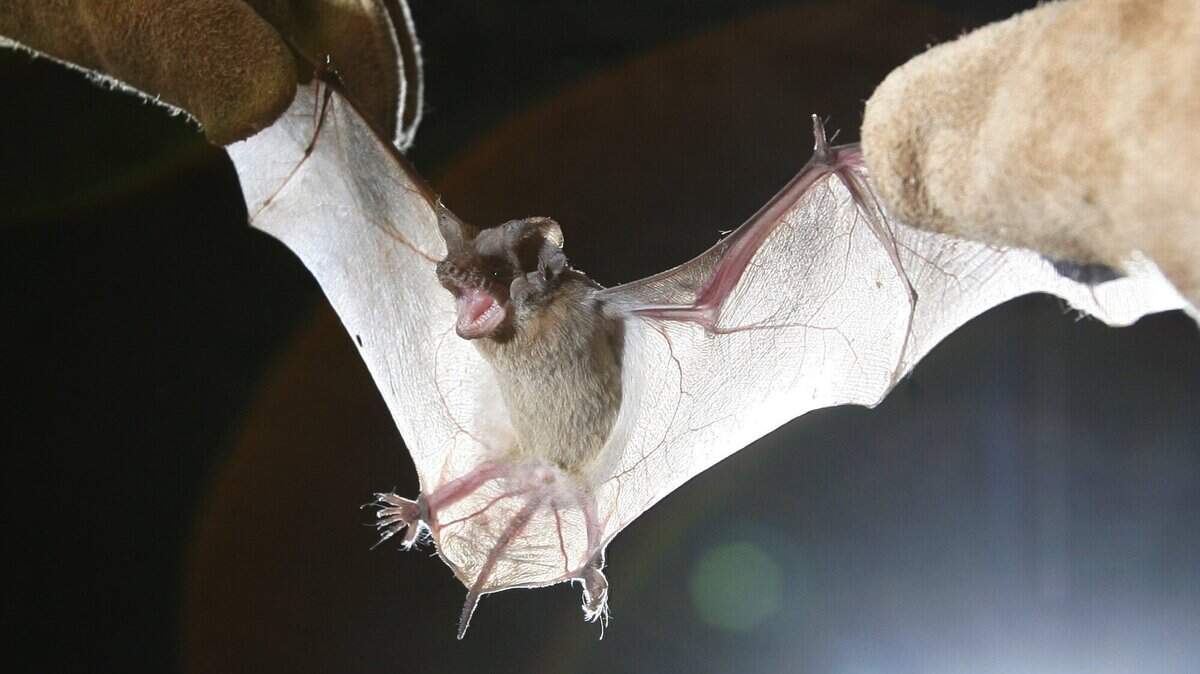
South Carolina’s 14 species of bats are out and about during the summer, and unfortunately, some of them will take up uninvited residence in South Carolina homes.
The main ways bats enter the home are through small holes in the wall and tend to accumulate in places like an attic, according to Dr. Martha Buchanan, who serves as director of the Bureau of Communicable Disease Prevention and Control at the South Carolina Department of Health.
All bat species in South Carolina are protected from extermination by law. Because of this, Buchanan said removal of multiple bats should always be handled by professionals.
“Don’t try to do that on your own,” Buchanan said.
According to the South Carolina Department of Natural Resources, the best time to remove bats from your home is early Spring (March-April) and Fall (August-October). Removing bats during the summer is highly discouraged and considered unethical and potentially illegal, as summer is maternity season for bats and the process could trap flightless baby bats in your home with no means of escape.
Because of that, Buchanan said the best time to bat-proof your home is the fall and winter when most bats are migrating to other places. She said that, if necessary, professional services can still help manage bat infestations during the summer and allow baby bats to exit before fully bat-proofing the home.
For renters, it falls upon landlords to remove bats, attorney Sue Berkowitz said. Berkowitz, who founded and serves as director of policy for the South Carolina Appleseed Legal Justice Center, said bat infestations give tenants the same rights as any other health and safety hazard.
“You would have to give two weeks’ notice for them to try to rectify the problem, and if they don’t rectify it, then you have the opportunity to break your lease,” Berkowitz said. “Even though bat infestation is not like not having water or not having heat, there are potentially dangerous animals that are coming in.”
Berkowitz said that if renters suspect retaliation from landlords, they’re protected by health and safety law and should file a code-violation report with local authorities.
Avoiding the risk of rabies and what bats do for the environment
After being exposed to bat’s many people’s top concern is potential rabies infection.
Dr. Martha Buchanan, who serves as director of the Bureau of Communicable Disease Prevention and Control at the South Carolina Department of Health, said due to their small teeth, bat bites can often go unnoticed if you, your child or pet was asleep when bitten.
Buchanan said the most critical step in mitigating the possible health risks is simple: get vaccinated, both before and after a bat encounter.
“It’s a very effective and safe vaccine and It really reduces the risk of somebody developing rabies, which is almost 100% fatal in humans,” Buchanan said. “It’s really important that if you’re just unsure and maybe you had an encounter with a bat, probably ought to go ahead and get the rabies post-exposure prophylaxis.”
Buchanan said that while it’s always necessary to be cautious, rabies being common in bats is a frequent misconception and that the creatures are a positive presence in the wild.
The small, winged mammals play a key role in the Palmetto State’s ecosystem, eating up to 15 mosquitoes a minute and saving farmers roughly $155 million in pesticide costs according to SCDNR.
Buchanan said the most effective way to prevent negative encounters with bats is maintaining distance.
“Bats really want to avoid humans, and they bite in self-defense if they’re startled,” Buchanan said. “We want to keep bats around but just avoid interacting as much as possible.”