
The future use of Palmetto Compress becoming clear
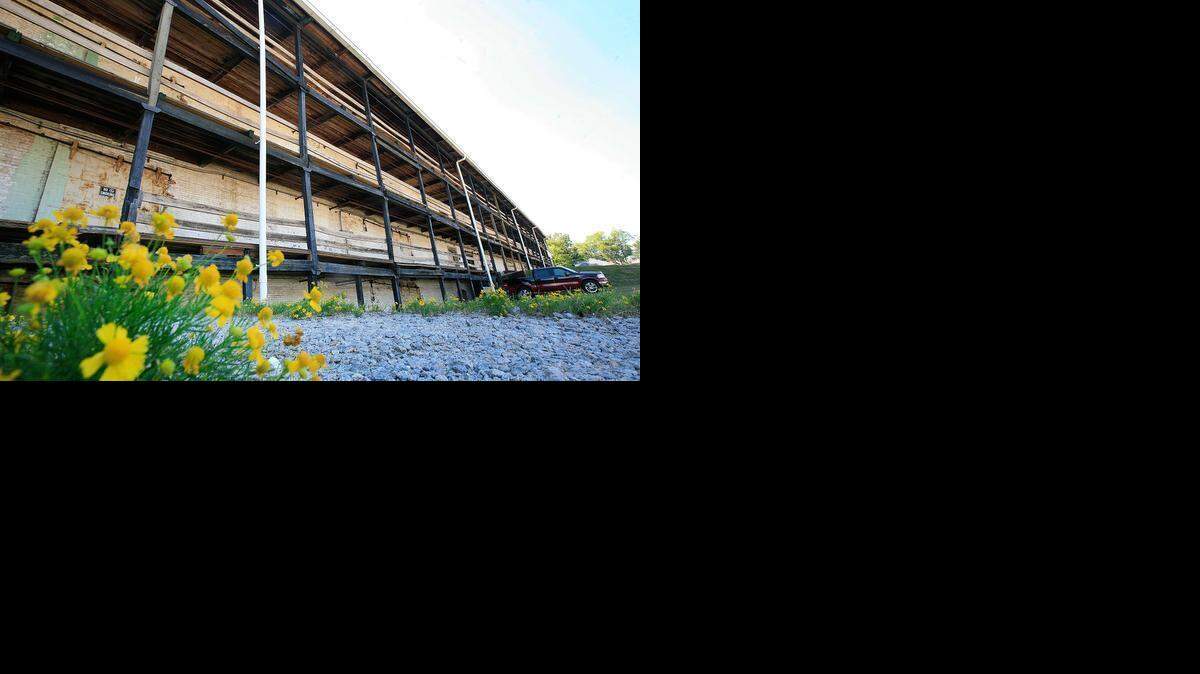
What a restored and redesigned Palmetto Compress warehouse will look like is emerging quickly after two years of behind-the-scenes negotiations and planning.
The historic cotton storage facility at a southern gateway to the Capital City will have 197 apartments; a five-story, 482-space parking garage; a ground-level pool; 10,000 square feet of retail space; and rebuilt porches on the side of the building that faces the University of South Carolina campus.
Those details are spelled out in documents submitted by city planning officials to Columbia’s Design Development Review Commission, which is scheduled to take up the developer’s plans Thursday. The application does not include information about an anticipated hotel at the 320,000-square-foot warehouse, but it doesn’t rule it out either.
A group of local and national developers have been reluctant to lay out details of the plan. Last month, The State newspaper reported that Philadelphia developer Ron Caplan was putting his deep pockets into the long-delayed and long-disputed project. Caplan has purchased the building for $6 million, local developers said.
The nearly 200 apartments will include 35 three-bedroom units, 103 two-bedroom apartments and 59 one-bedroom units, according to the submitted paperwork.
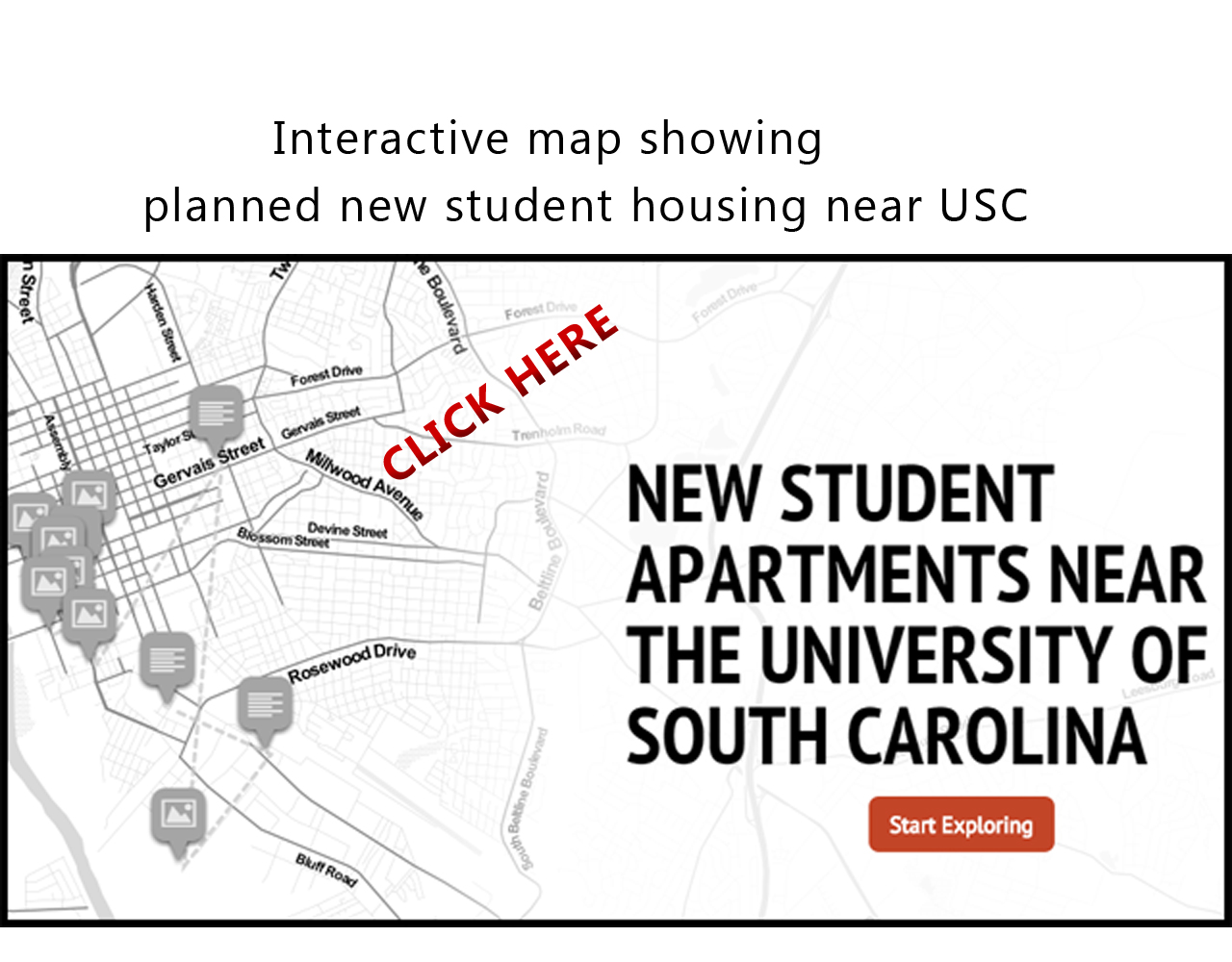
The 366,000-square-foot garage will be across Devine Street, which runs parallel to Blossom between Huger Street and the Carolina Coliseum. A multi-use greenway will stretch along the Wayne Street side, near the area’s railroad track. It will connect to the garage, to a 189-space surface parking lot and, by going under the Blossom Street rail overpass, link to a student housing complex being constructed at Blossom and Huger streets.
The city is planning to buildi an additional angular-space parking lot under the overpass, Andrew Rogerson of the Garvin Design Group, which submitted the application to the commission, said Tuesday.
The city’s planning, land development, zoning and other administrators are recommending the commission approve the plan but with conditions in some cases. “(S)taff would request that the commission grant approval subject to staff comments,” city officials wrote.
Planning Administrator John Fellows suggests a realignment of Devine Street and adding trees along portions of Devine and Wayne streets.
Rogerson said in an interview that the rickety porches along the east side of the warehouse will be removed and replaced with safer ones that will mirror the design of the exiting porches. Interior work including replacing some windows and doors has begun, he said.
The name of the warehouse will be preserved across the exterior walls as it is now, Rogerson said.
The redevelopment of the warehouse caps a years-long fight between local businessmen and preservationists that drew in City Council.
Palmetto Preservation Corp., which bought the building in 1986, planned to sell it to Edwards Communities Development Co. of Ohio for student housing after two decades of failed attempts to find a buyer.
But Edwards said saving the building – with its sloping floors that are the primary support for the walls – was too expensive. Edwards was going to demolish one of the last structures of Ward 1, a largely African-American community that once surrounded the warehouse.
Council, in a highly contested move, bought the historic warehouse in April 2013 by drawing money from a reserve fund for health care benefits to city government retirees.
Council asked the Columbia Development Corp. to market the warehouse through city businesswoman/developer Rosie Craig. She brought Caplan to the project.
This story was originally published April 7, 2015 at 4:18 PM with the headline "The future use of Palmetto Compress becoming clear."