
How this SC airport found the secret to growing even while COVID decimated travel
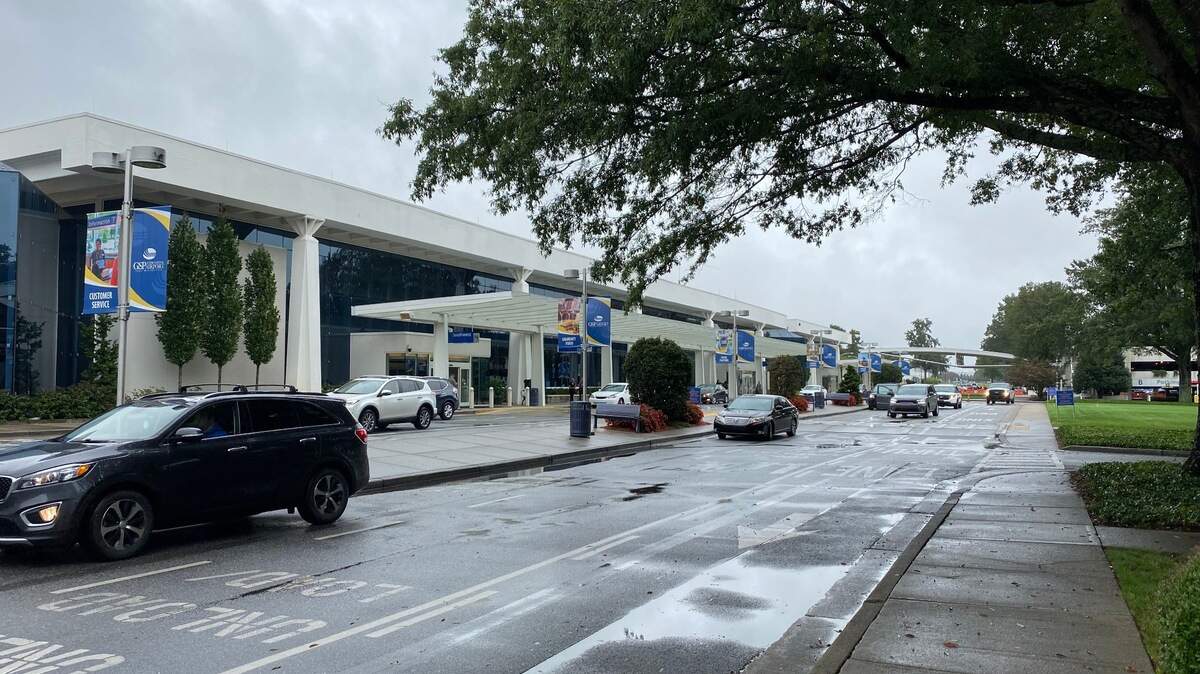
Greenville-Spartanburg International Airport’s cargo operations grew substantially during the pandemic, and officials are hoping to retain the business going forward.
Located in one of South Carolina’s fastest growing regions, GSP is considered an economic powerhouse by business and government leaders and was recently named best small airport in North America. Despite that distinction, airport leaders have settled on diversifying its business model, investing heavily on cargo operations and establishing a business to maintain and fuel private airplanes.
Airport leaders are also becoming more aggressive in marketing a sizable chunk of 3,700 acres halfway between Greenville and Spartanburg. The airport board is also considering whether to build a hotel.
The airport, with about $32 million in annual revenue, is fully self-sufficient. The only tax money it receives comes from Federal Aviation Administration grants.
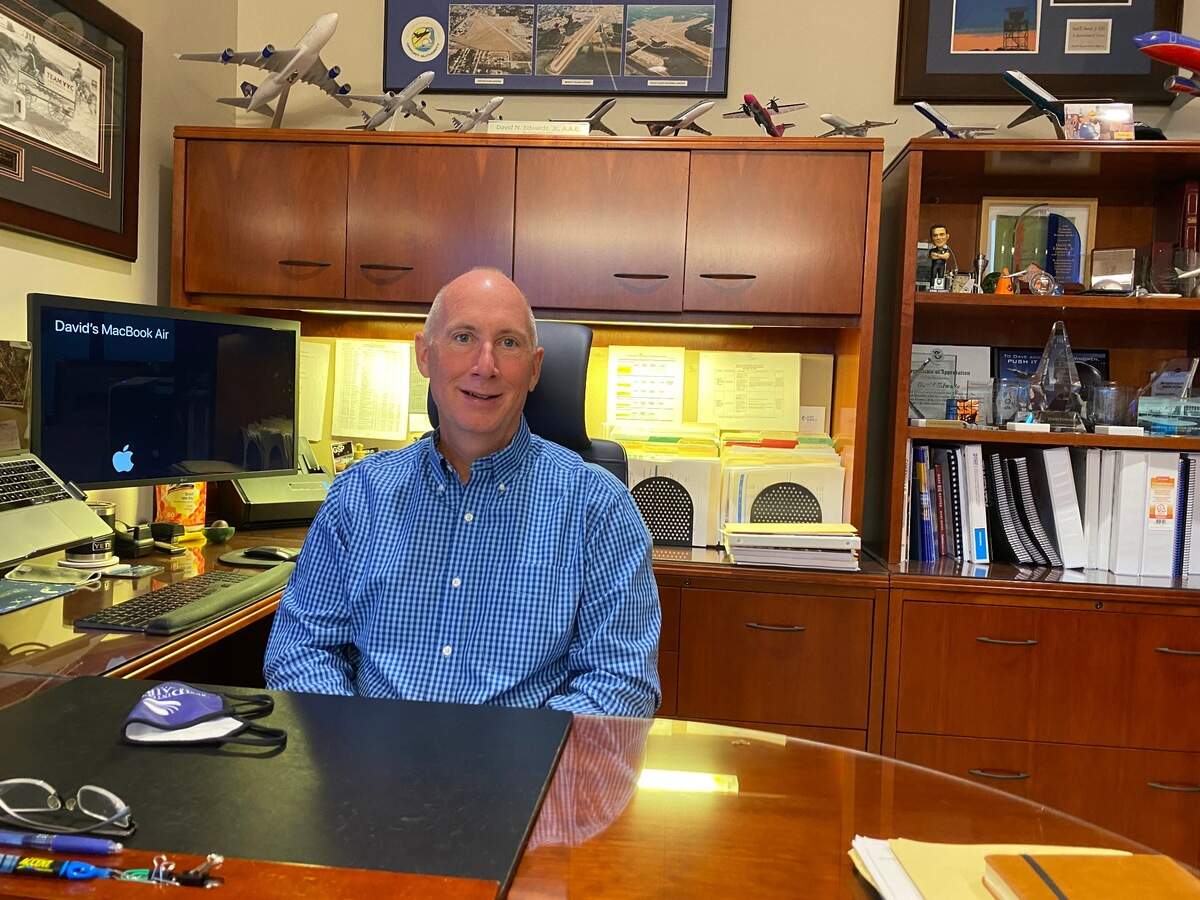
“Every dollar we make as a profit we reinvest,” said airport Chief Executive Officer Dave Edwards.
Losses caused by COVID’s profound impact on air travel caused the airport to incur about $35 million in debt to finish projects already underway. Edwards said, ordinarily, the airport would have paid for the work with available funds.
COVID-19 also brought operating losses of about $40 million, but the airport obtained about the same amount through federal relief funds .
Edwards estimated it will be 2024 before the airport returns to pre-COVID business.
GSP goes back almost 60 years
The 10-county regional airport opened in 1962 on the strength of the reputations and pull of two Upstate titans of industry — Roger Milliken of Milliken & Company textile firm in Spartanburg and Charles Daniel of Daniel Construction in Greenville.
Edwards believes that if those men had not crafted the deal to build the joint venture, it would have never happened, and the municipal airports in these two communities could never have equaled the economic powerhouse GSP has become.
Milliken, who headed the airport commission until he died in 2010 at 95, was a great lover of trees. The mile-long road from Interstate 85 to the airport terminal was his doing. It is heavily landscaped with various conifers and other trees that hide the industrial needs of the airport such as air conditioning systems. A large fountain is close to the terminal, and inside there are other fountains.
“It has a calming effect,” Edwards said.

A garden with a good view of the runway was once open to the public, but was closed when TSA security lines were moved and access was available only to ticketed passengers.
The BMW effect
When BMW was looking to build a manufacturing plant in the United States in the early 1990s, it was interested in a piece of land adjacent to the airport. One condition for choosing it was the airport runway needed to be extended to 13,000 feet to accommodate 747s.
At the time, the runway was 8,000 feet. GSP agreed to make it 11,000 feet, and the German carmaker accepted the compromise. BMW opened its Spartanburg County plant in 1994, but BMW did not ship through GSP until 2011 when the company sent emergency charters to keep the factory line moving.
Extending the runway to lure BMW three decades ago would prove to be a key factor in setting up the longterm success of the airport, far beyond its dealings with the carmaker. “It gave us the opportunity to capitalize (on cargo),” Edwards said.
But even though the airport spent millions to accommodate BMW with a longer runway, BMW continued to ship through the Huntsville, Alabama, airport. It took until 2016 to get BMW’s business.
Now, almost 30% of the airport’s freight traffic is related to BMW.
Because the airport has BMW, other cargo operations followed. There are a dozen or so scheduled flights each day, including FedEx and UPS, but also British Airways, which during COVID restrictions on international travel used its planes for cargo, not people, from London.
Senator International, a worldwide logistics company based in Hamburg, Germany, has steadily increased operations at GSP since opening there in 2016. BMW and Michelin are customers, and regular flights go to and from GSP to Germany.
Cargo coming in includes other automotive, medical equipment, pharmaceuticals, retail, valued at $4.3 billion.
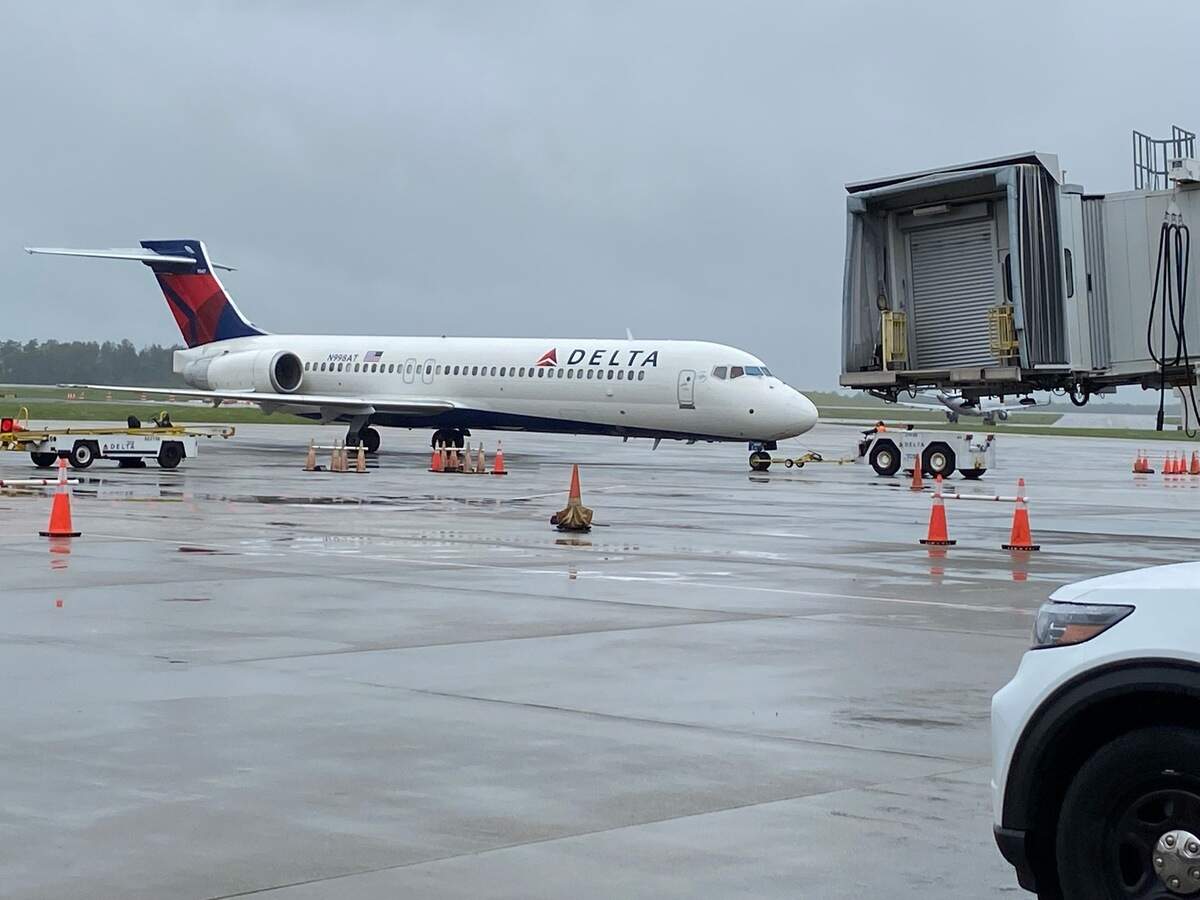
In 2019, GSP built an expanded cargo building and added an area for cold storage. It’s expanding the cargo apron now.
At many major airports freight can sit for days. But GSP loads immediately.
“We have proven we can be a gateway (for freight haulers),” Edwards said.
The leakage factor
When Edwards took over as CEO in 2009, 66% of Greenville-Spartanburg area residents went elsewhere to fly, usually Charlotte or Atlanta. It was much more expensive to fly out of GSP, and it would take about 20 minutes to fly from Greenville to one of those other cities for a connection.
Now, with the advent of lower-cost airline Southwest and other nonstop flights that have been added in the past few years, that number is 40% — still high, but better.
GSP now has nonstop flights to 17 cities and will add another with the start of service to Nashville by Contour Airlines in November.
Edwards said GSP is attempting to add Boston and hopes a deal will come in the new year. An average of 90 Upstate residents fly to Boston each day, more than enough to justify the business.
GSP waives all gate fees for new or expanded airlines for up to two years and spends up to $200,000 based on an airline’s investment on marketing.
Mark Farris, president of Greenville Area Economic Development, said direct flights to major cities are especially important to companies seeking to establish office headquarters in the region and less so for manufacturers, which have been Greenville’s lifeblood.
Yet, in 2018, Greenville had more office development than manufacturing, he said.
Farris said a nonstop flight to the West Coast would help efforts to attract technology companies wishing to reduce the cost of doing business.
The challenge facing GSP is being sandwiched between two major airports — Atlanta and Charlotte. Charlotte has 700 direct flights a day, which Farris said accounts for its rapid growth.
A 2017 terminal renovation at GSP included adding equipment that is shared by all the airlines, including gate computers. That means a new airline can start service immediately, and it also allows the airport flexibility when gates are at a premium.
Because about half of those flying from GSP connect with flights elsewhere, departing flights are usually early in the mornings and arriving flights in the evenings.
Because the airport has focused on diversifying its business, passenger travel accounts for 13% of revenue. The norm in most airports is 25% to 50%. Just over a decade ago, when Edwards arrived, passenger travel still accounted for between 20-30% of GSP business.
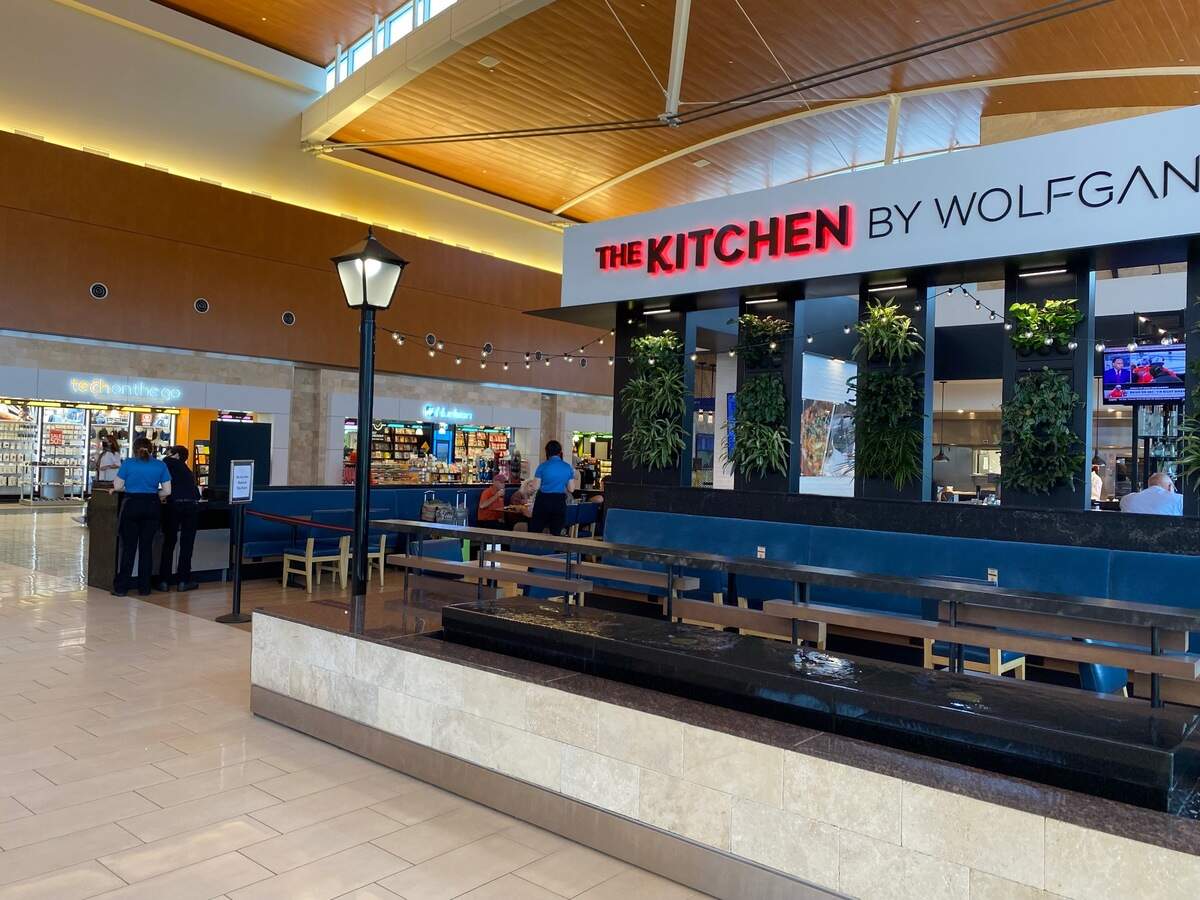
Parking is the airport’s biggest revenue stream at 30%, while concessions bring in between 15-17%.
In 2017, the airport took over fixed-base operations from Stevens, which handled fuel and aircraft maintenance at GSP for decades. Stevens was at end of a 10-year lease and losing customers because of the price of fuel, Edwards said. When the airport took over those operations, it created a new company, Cerulean Aviation, which now accounts for 25% of GSP’s revenue, Edwards said.
Among the companies that keep planes in hangars at Cerulean are Milliken, Michelin, Gibbs and some charter operations.
“We are getting a much better and broader revenue stream.”
What’s next for GSP
Airport commissioners are working on whether to build an on-site hotel and, if they do, whether to do a land lease, investment or run the hotel itself. Edwards has proposed a 135-room hotel with a rooftop bar, conference space and an open-air garden like the one available only to ticketed passengers.
A market study looked at hotels at airports in Knoxville, Greensboro, Jacksonville and Huntsville and showed success in similar sized communities..
Edwards said a hotel would serve business travelers who want to get in and out of the Upstate quickly, people flying in for business meetings that could be held in conference rooms, pilots laying over and people with early flights. But whether that is enough in a city full of hotels in a resurgent downtown remains to be seen.
“We’re willing to take some risks,” Edwards said.
But the hotel proposal will be weighed against other needs such as an additional parking garage, expanded gates, runway improvements and a redesigned road for drop-off and pick-up, which gets congested at certain times a day.
Staffing remains a challenge, Edwards said, especially in the cargo operations and landscaping. Earlier this year, the airport commission approved Edward’s recommendation to increase pay across the board. It will require an additional $1.5 million to bring every staffer up to the midpoint in the salary schedule for each job. The money had already been budgeted before the Airport Commission approved it.
The commission is also considering a long-range plan for the property it owns and/or wants to buy. It recently bought the land where a Burger King is located because it is at a secondary entrance to the airport property
In addition, Edwards said the airport has identified nine tracts covering 2,500 acres that could be developed. The FAA requires 1,200 to 1,500 acres be reserved for airfield development. One piece of property is being readied for an aerospace parts manufacturer to supply Boeing’s plant in North Charleston.
Farris said he believes Upstate residents sometimes take the airport for granted, not recognizing just how important and attractive an amenity it is.
“The great thing about GSP is it is accessible, easy to navigate,” Farris said. That bodes well for both passenger and cargo operations going forward.
He said he always flies from GSP and encourages others to do the same.
“To grow, you have to use it,” he said.