Clock repairer that started in his garage is one of the few left in the Midlands
A life-long tinkering habit, a broken clock and a set of DVDs led Harold MacVittie to a busy post-retirement job with his own shop in the heart of downtown Chapin.
“People don’t realize how many clocks there are out there. I retired to do this, and I never thought that I’d be working 10 to 12-hour days, but I don’t mind it because I like it so much,” MacVittie said, sitting next to a wall of refurbished clocks ticking rhythmically, occasionally clanging.
MacVittie, 67, owns Second Hand Time, a quaint clock repair store in Chapin. The walls of his shop are lined with vintage cuckoo clocks and heirloom grandfather clocks, some of which date back to the late 1820s. In some spots, artwork from his grandchildren line the wall.
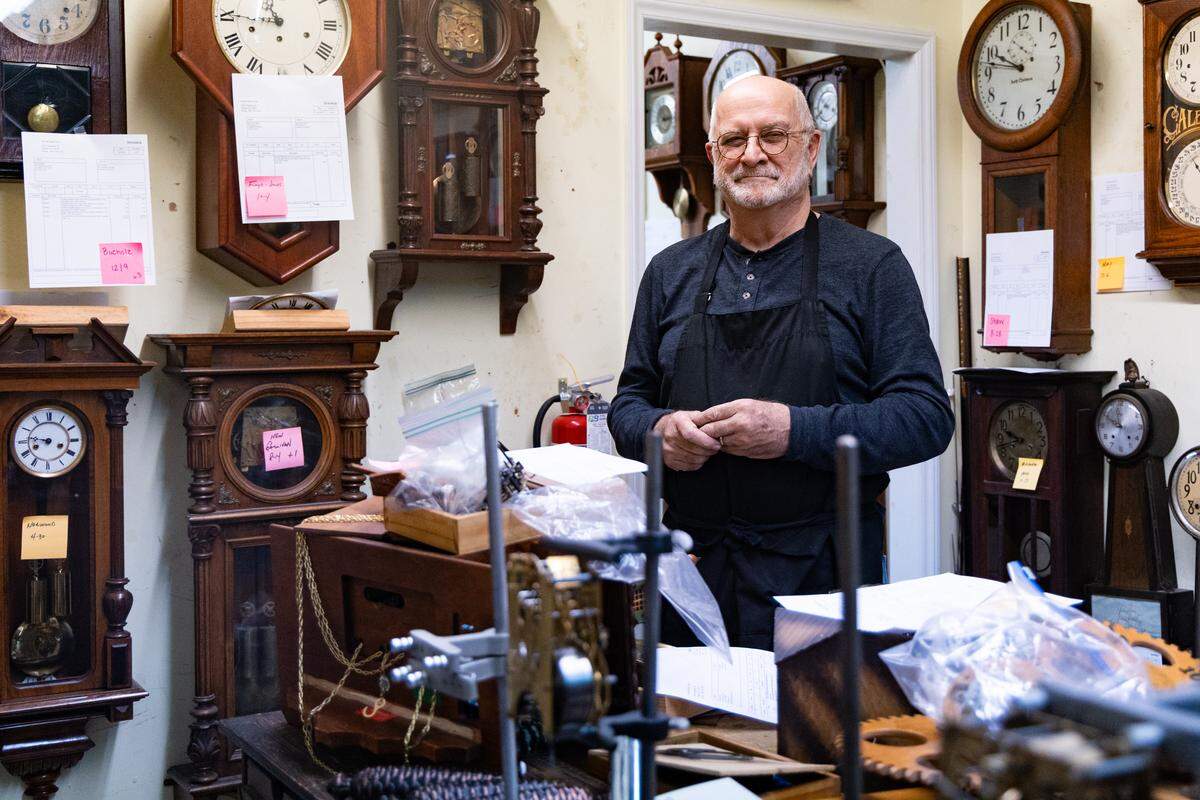
The retired maintenance worker, who worked at big box retailers in Michigan before moving down to South Carolina, is one of the few clock repairmen left in the Midlands and in the state. Since opening in 2013, he’s seen thousands of old, broken-down clocks come through his shop.
“We struggled a little bit the first year, but after that it was just crazy,” MacVittie said. “There were six guys doing this when I started a dozen or so years ago, and now there’s nobody left. They’ve all either passed away or have fully retired.”
One of the country’s largest clock companies, Howard Miller, a Michigan-based family-owned clock and furniture maker for nearly a century, announced this summer it would close its manufacturing plants by early next year. At a time when clockmakers and repairers alike are leaving the industry, MacVittie has no plans to retire, he said. There are a handful of others still left in the state – Tim Sease, who maintains clocks on Columbia’s Main Street, and some locations near the coast, to name a few.
MacVittie is one of the few clock repairers who still take house calls, driving to nearby cities like Aiken and Orangeburg to doctor up clocks. Even though he stays busy (a sign on his shop warns customers of a three- to four-month wait), MacVittie said he rarely sees young people in his shop and fears that the desire to own an older clock is quickly dwindling.
“Young people can’t tell time with these, everything in their life is digital, so that’s gone by the wayside,” MacVittie said. Second Hand currently sells and repairs clocks, but MacVittie said once he’s sold what he’s got in inventory, his shop will only offer repairs.
MacVittie moved down to South Carolina from Grand Rapids, Michigan, with his wife after spending years working in Target’s maintenance department. By the time he moved to Irmo and opened his clock shop in 2013, he’d already spent a few years working on clocks out of his garage, with a hobby-turned-side-gig that was becoming unwieldy.
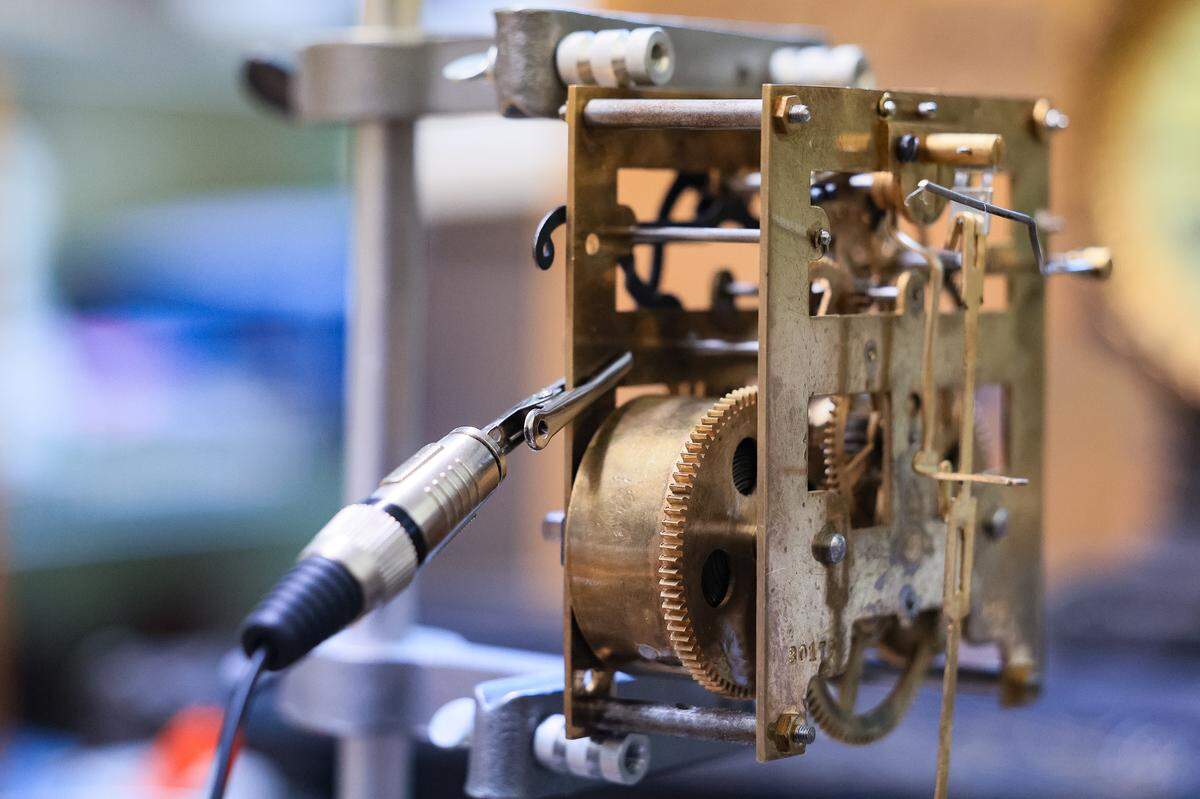
The self-taught repairer bought a clock at a consignment store in the late 2000s and, when it broke a few weeks later, decided to try his hand at fixing it. He’d spent his childhood tinkering with cars and had a long career in maintenance. “I can fix this,” he said to himself.
“Before I knew it, I had 50 clocks in my garage, and they’re all going off. And my kids didn’t want anything to do with me and my kids’ friends wouldn’t come over because I was a weirdo in the garage with all the clocks,” MacVittie joked. The desire to open a shop largely stemmed from the fact he got more enjoyment out of repairing than he did collecting.
To teach himself, he ordered $30 DVDs that featured hours-long videos of clocks being taken apart and put back together. Even now, he’s still learning, and sometimes finds clocks that he doesn’t know how to repair. If he can’t fix it, he said, he doesn’t charge the customer.
After about five years working out of his garage, he decided to open his own shop at 106 Beaufort St. At the time, the owner of the building thought he was crazy, MacVittie said. But business has remained mostly steady through the years. He handles all the repairs, while his daughter and wife help with the administrative tasks like keeping the books and arranging appointments.
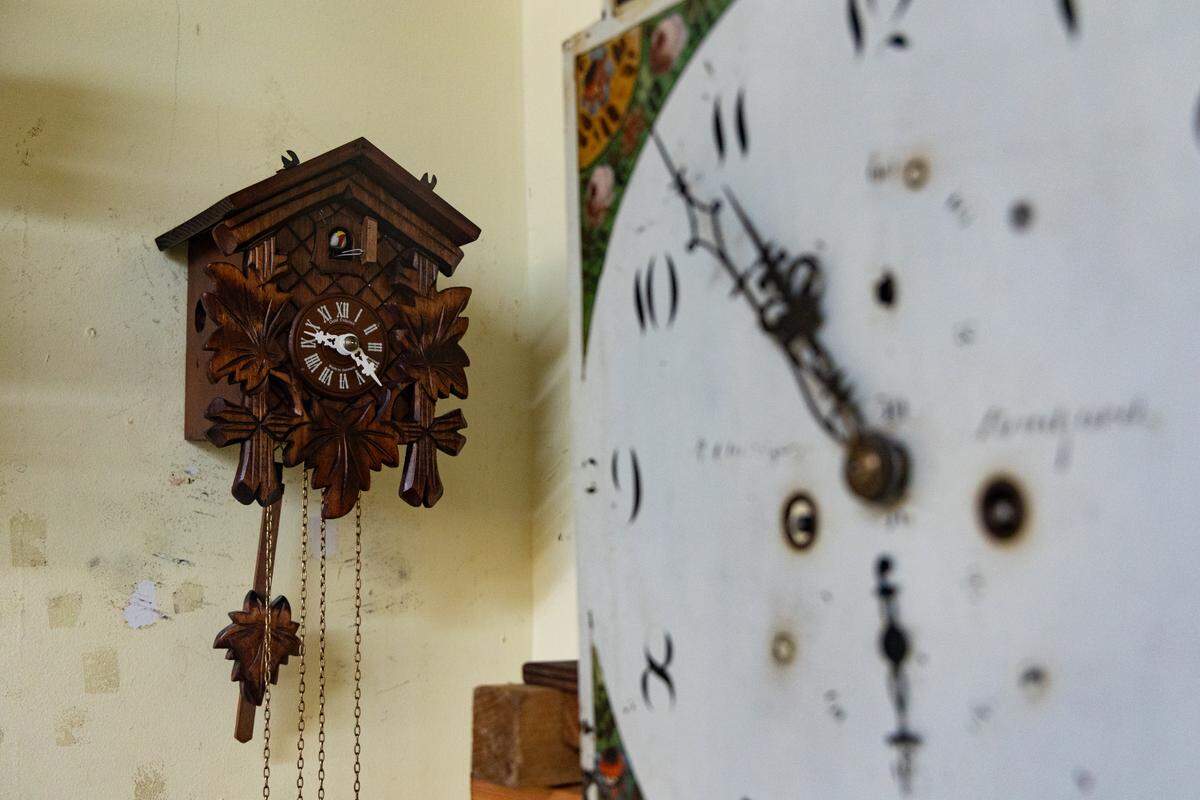
The work to run the repair shop is meticulous. Each week, MacVittie’s daughter winds each clock, making sure they’re synced in time with a large, digital clock on the wall. MacVittie usually spends the morning tinkering and repairing clocks in the back of his shop, surrounded by gongs, chimes and intricate tools. In the afternoons, when the store is open to customers, he fields phone calls and walk-ins.
Increasingly, MacVittie said, he sees fewer people interested in clocks. His customer demographic skews older and even the middle-aged children of older people no longer want the clocks they inherit anymore. On at least one occasion, he’s had someone give him a clock for free. “It’s you or the dump,” they’ve told him.
Nevertheless, MacVittie remains steadfast, working methodically in the back of his clock shop, surrounded by hundreds of clocks, with a lengthy waitlist on his counter.
This story was originally published December 25, 2025 at 5:00 AM.