Headless alligator found in SC lake, but it’s not the only gator death mystery there
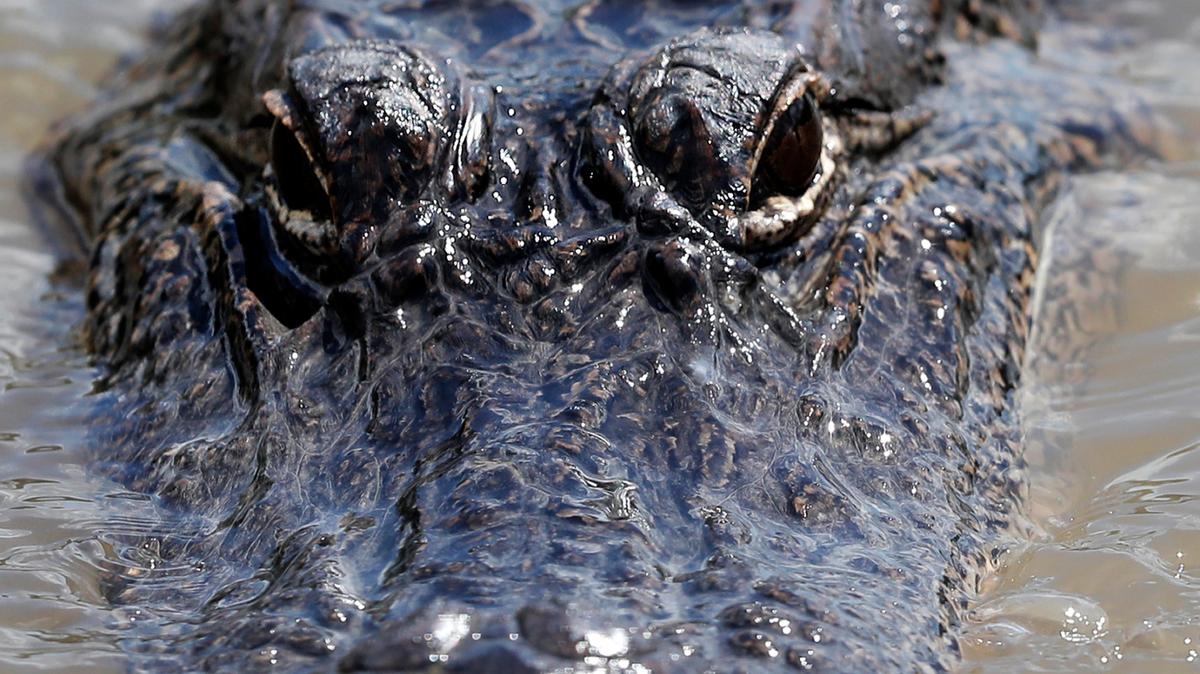
Two weeks ago, in the otherwise calm waters of Crowfield Lake, an alligator floated to the surface and exposed a horrible secret.
Someone had killed him, cut off the gator’s head and made off with the missing body part, presumably as some sort of trophy.
The shocking discovery of the decapitated creature has sent South Carolina wildlife officials searching for answers, but, so far, the investigation is proving to be quite the mystery.
The S.C. Department of Natural Resources could have a double-whodunit on their hands, now that two alligators have been found dead at the same lake within months of each other.
David Lucas, a spokesman for the S.C. Department of Natural Resources, said officers are still trying to piece together how a nearly 12-foot gator wound up headless and belly-up in a popular private lake at the center of three Goose Creek subdivisions.
The agency is seeking any information from the public that might help them solve the case, including whether anyone saw anything suspicious in recent weeks.
But one thing, Lucas said, is certain: What happened to the headless alligator was no accident.
It could also be a violation of state and federal law.
“With its head cut off, it’s very suspicious — highly suspicious,” Lucas said. “You asked if there is any reason at this point to suspect poaching or illegal alligator hunting, and yeah, there absolutely is.”
Alligators are a prehistoric reptile whose appearance has been virtually unchanged since the days they roamed the Earth alongside the dinosaurs. In South Carolina, these lizard-like creatures can grow to lengths of more than 13 feet and live to be more than 60 years old.
Once a federally endangered species, the alligator population has rebounded in recent years. They remain a protected species, but a public hunt is held each fall in South Carolina to control their numbers.
Those gators, Lucas said, are also specifically tagged for the hunt. However, that public hunt begins on Sept. 11.
Crowfield Plantation, the residential development in Goose Creek that includes the neighborhoods immediately surrounding the lake, also does not allow hunting of its alligators at any time.
“On its face, this is illegal,” Lucas said.
But questions still remain. Who did it? Did they act alone? Was the gator killed at the lake, or was it killed somewhere else and dumped here?
Further complicating this case, is that the headless gator was not the first gator death reported here in recent months.
In early spring, another mature gator, which is any alligator over six feet long, was found dead at the lake. It was found fully intact. Seeing no gunshot wounds, cuts or marks, Lucas said wildlife officials thought it was a strange but natural death at the time.
“It was an unusual situation. When gators die from natural causes you don’t often see them. They usually go off into deep water and then the fish eat them. I’ve never in all the years I’ve been messing around in the woods seen a dead alligator floating like that,” he said.
It’s unclear but entirely possible that the two alligator deaths are related, Lucas said. What they need, he said, is more information.
Ronnie Russell of Gator Getter Consultants, which works with Crowfield Plantation to resolve any alligator issues, responded when the homeowners association reached out for help with the first gator.
When he found the gator, Russell said he saw a hook in its throat. The hook was a solid steel leader, he said.
Those hooks are most often used when the fish being hunted has sharp teeth.
“And I’ll tell you this: It’s not something you’d normally use for fishing in that lake,” said Russell.
He has been working with gators since he was 10 years old, and his father has run Gator Getters for at least 25 years. Russell said he worries TV shows about hunting alligators have led to people thinking they can take matters into their own hands when it comes to these beasts.
“Not a lot of people really advocate for them,” he said. “The biggest problem with alligators, especially in the Lowcountry, is that there’s just a big misunderstanding of them.”
Anyone with information about the alligator deaths is encouraged to call the S.C. DNR’s anonymous poaching tip line at 1-800-922-5431, or submit a tip online.
This story was originally published August 26, 2021 at 3:47 PM.