SC scientist predicts explosion in coronavirus cases as SC braces for more patients
A nationally-known scientist connected to the University of South Carolina says thousands of new cases of the coronavirus could hit the state by early next month and he’s urging Gov. Henry McMaster to consider further restrictions to prevent people from spreading the virus.
Jim Morris, director emeritus of USC’s Belle W. Baruch Institute for Marine and Coastal Science, says the governor needs to seriously examine imposing a shelter in place order for South Carolina residents.
“The worst is coming, and the sooner we deal with this the sooner we can recover,” Morris said in a letter sent to McMaster on Monday. The letter went on to say that “the number of cases will explode in early April, all at once.’’
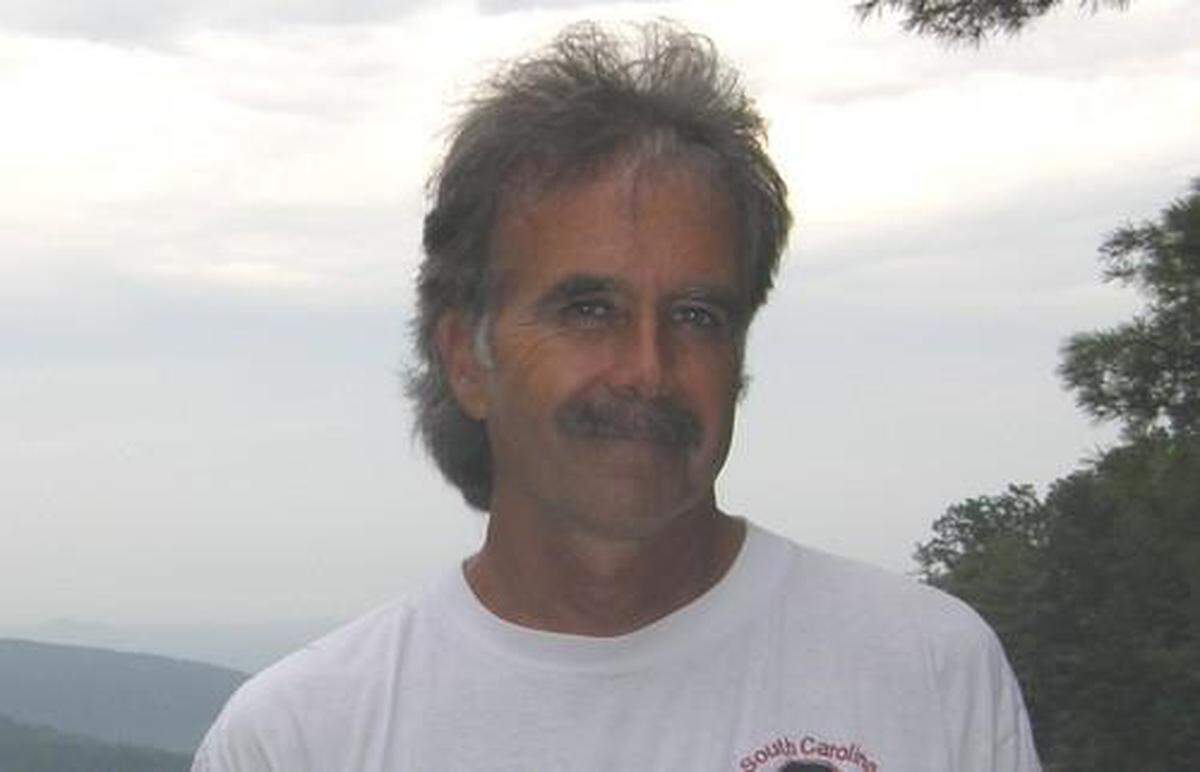
Morris, 69, a USC research fellow, is a specialist in using data to make mathematical predictions of future events. Normally, his projections are used to forecast sea level changes, but since early March he has been tracking the number of confirmed coronavirus cases in South Carolina and their rise over time.
Morris praised McMaster later Tuesday after the governor issued an order closing public schools through April. But the scientist said the governor could make further restrictions on people’s movement.
Some states have issued shelter-in-place orders, which greatly restrict movement. Statewide, McMaster has told South Carolinians not to congregate in more than groups of three after throngs of people flooded some stretches of beach last week.
In Charleston, Mayor John Tecklenburg is proposing that residents stay indoors for two weeks and not leave home unless it is for the grocery store, pharmacy or the doctors’ office, according to The Post & Courier.
According to Morris’s research, the state can expect 4,300 cases of coronavirus in South Carolina by April 2, if the virus’ current trend continues. By April 5, the number of coronavirus cases could reach 9,850 because it takes about 2 1/2 days for the number of infected people to double, Morris said Wednesday.
As of Tuesday, South Carolina had recorded 342 cases of coronavirus this spring.
In his letter to McMaster, Morris said the state could reach hospital bed capacity in less than 20 days if the current growth rate continues. The state could be out of ventilators in less time than that, he said.
DHEC officials said Monday the state has more than 1,100 ventilators.
Morris said, however, that the state still has a chance to avoid such a rapid increase if the state’s actions to contain the virus “are successful and the transmission rate decreases.’’
Morris is the first scientist in South Carolina to make a detailed public prediction to the governor about the trajectory of the coronavirus pandemic, which spreads rapidly from person to person and has infected hundreds of thousands in more than 140 countries around the world. The Baruch Institute that Morris ran for years conducts research on the marine environment of North Inlet in Georgetown County.
Up to now, most information about the coronavirus disease and its progress in South Carolina has been released to the public at the governor’s afternoon press briefings, which feature McMaster and DHEC officials.
On Tuesday, DHEC Director Rick Toomey did not take issue with the projections by Morris, saying Morris is a respected scientist. DHEC received a copy of the letter from the governor’s office, he said.
But in a media briefing Tuesday afternoon, Toomey said predictive models depend on what basic information is made to come to projected conclusions.
“Each model has its pluses and minuses,’’ he said, noting that “It is difficult to completely project the future.
Toomey said the state is working with other agencies on projections of how many cases South Carolina can expect to deal with. That report should be available Wednesday and will be released to the public.
He said this week that DHEC’s projections were based on data from other countries and other states to “try to project what might be the course of growth of positive cases here.’’
Schipp Ames, a vice president with the S.C. Hospital Association, said the predictions by Morris are disturbing but he hopes the state’s efforts to prepare for the virus will help out. South Carolina has had a 56 percent increase in available hospital beds since McMaster recommended that non-elective surgeries be postponed, Ames said.
That translates to about 1,800 more available beds. The state has a total of about 12,000 hospital beds, according to the letter from Morris.
“We are seeing hospitals doing everything they can,’’ Ames said.
State Rep. Laurie Slade Funderburk, D-Kershaw, said DHEC needs to let people know what to expect from coronavirus this spring – and modeling is a way to do that.
Funderburk’s county of Kershaw has the highest number of coronavirus cases in the state. Richland County, where the state’s capital and University of South Carolina are located, follows closely behind.
“DHEC knows what’s coming,’’ she said in a text. “I have asked DHEC to evaluate model predictions and communicate this information to the public. The public needs to know how dire the situation is and can become, if a higher level of social distancing is not put into practice.’’
Morris said, “Some legislators criticized USC’s decision to close during spring break as being premature. That decision undoubtedly saved lives.”
BEHIND THE STORY
MOREWhat you should know about the coronavirus
The coronavirus is spreading in the United States. Officials are urging people to take precautions to avoid getting sick, and to avoid spreading the disease if they do contract it.
Click the drop-down icon on this card for more on the virus and what you should do to keep yourself and those around you healthy.
What is coronavirus?
Coronavirus is an infection of the respiratory system similar to the flu. Coronaviruses are a class of viruses that regularly cause illnesses among adults and children, but this outbreak has spawned a new disease called COVID-19, a particularly harsh respiratory condition that can lead to death.
Health officials believe COVID-19 spread from animals to humans somewhere in China. It spreads among humans by physical person-to-person contact, including via coughs. That’s why health officials urge sick individuals to avoid contact with other people.
For more information, visit the website for the Centers for Disease Control and Prevention.
What are the symptoms?
Symptoms are similar to the flu and include fever, coughing and shortness of breath.
How can I stop the spread of the coronavirus?
Wash your hands regularly with soap and water, and cover your mouth and nose when you cough or sneeze.
If you develop symptoms similar to the coronavirus, you should seek medical attention. Stay home from work or school and avoid contact with others. It can take up to 14 days after coming into contact with the virus to develop symptoms.
COVID-19 is a new condition and there’s much about the disease we still don’t understand. For now, taking precautions is the best way to stop the spread of the coronavirus.
This story was originally published March 24, 2020 at 6:16 PM.