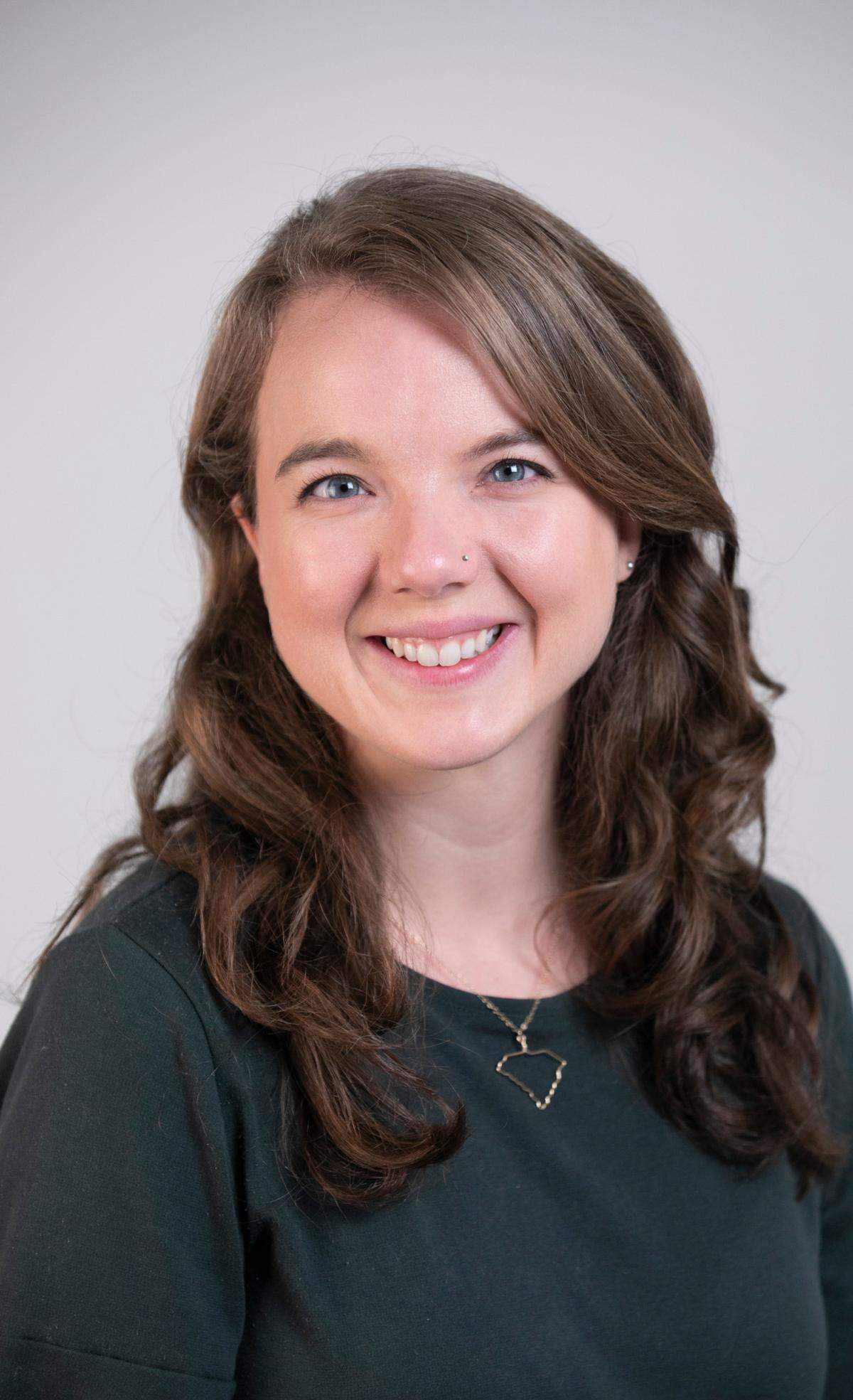
After brush with coronavirus, SC’s Joe Cunningham warns others who show no symptoms
Joe Cunningham says he was lucky with coronavirus — lucky to have a mild case and lucky just to know he had it.
What concerns him is how many people could be experiencing the virus much like he did, with few to no symptoms, and not know they’re carrying it, not know they could be infecting more vulnerable people around them.
The congressman from South Carolina, a Lowcountry Democrat serving his first term on Capitol Hill, is one of the most high-profile South Carolinians to have been diagnosed with COVID-19, the illness caused by the coronavirus.
His personal experience with the virus proved relatively and blessedly uneventful but has left him concerned about all the others who might be like him, hoping they’ll be wise to protect their neighbors.
“My concern for my own health and safety was for being a carrier,” Cunningham, 37, said in an interview this week, his first week out of self-quarantine since learning he had the virus. “That concern ended up being valid, because the way I contracted it and what happened from there, I think that just highlights the scary part of this virus and the breadth of effect it can have.”
Cunningham had just returned home to Charleston from Washington, D.C., in mid-March when he began noticing signs of what he assumed were allergies.
He was eating lunch in his office, homemade spaghetti and meatballs from his wife. But the meatballs didn’t have much taste, Cunningham said.
“I went home and told my wife the meatballs were kind of bland, which was a mistake on so many levels,” he joked.
The next day, when a meal from Chick-fil-A also tasted flat, he thought his senses must be reacting to pollen and began taking allergy medication.
Later that week, on March 19, a physician from the U.S. House of Representatives called Cunningham to tell him he had been in contact with a fellow congressman who tested positive for COVID-19. At the doctor’s guidance, Cunningham immediately went into self-quarantine at his West Ashley home.
Cunningham remained asymptomatic, excepting the loss of taste and smell he attributed to allergies.
Meanwhile, both he and his wife worked from home while their 2-year-old son stole their attention and learned to blame the dog for his own mischief — “which is as surprising and comical as it is concerning,” the congressman said. A friend delivered some beer to his driveway, for sustenance.
Cunningham was monitoring whether he would need to — or be able to — fly back to Washington to vote on the coronavirus stimulus package that was under consideration, and he was reading more and more news and information about the virus itself. He learned that his own mild symptoms could actually be signs of coronavirus.
After Cunningham took an online coronavirus screening survey through the MUSC website, a doctor recommended he be tested for COVID-19. On March 26, he was tested at a drive-thru facility in West Ashley. There were a handful of other patients in their cars being tested at the same time, he said, and the entire process took maybe 10 minutes.
The next day, March 27, the test results came back positive. He shared the news publicly the same day.
“I guess I wasn’t completely surprised, because I’d experienced those symptoms and knew I’d been exposed,” Cunningham said.
What was shocking to him, he said, was realizing the broad range of ways the virus manifests itself. The congressman who likely had exposed Cunningham to the virus, Rep. Ben McAdams of Utah, was hospitalized for several days and struggled with difficult breathing.
Cunningham, however, never experienced so much as a cough or fever or fatigue.
“I realize so many aren’t as lucky as I am,” he said.
By April 1, Cunningham had ended his self-quarantine — neither his wife nor son showed any signs of having the virus, he said — and is back at work from his office in Charleston.
He’s pleased to have seen a statewide stay-at-home order go into effect this week, and he’s now urging state leaders to postpone the upcoming June 9 statewide primary election to further protect people from spreading or contracting COVID-19.
“We can’t be in one breath telling folks to stay home and in the next saying get out and about and congregate in lines to vote,” said the congressman, who is up for election this year but does not face a primary race. Four Republicans hoping to challenge for his 1st District congressional seat will be on the primary ballot.
From Charleston now, the congressman is staying in touch with Lowcountry business leaders, church leaders and elected leaders to monitor the evolving impacts of the pandemic. He misses meeting people in person, talking face-to-face with the people he represents, shaking hands.
But he’s all in on social distancing; he’s seen first-hand how the virus does its work.
“It gives me a perspective like, look, if I had such mild symptoms — I was fortunate enough to be notified and to quarantine myself,” Cunningham said. “Think about people who weren’t notified and didn’t quarantine themselves. Think about the impact. This is about protecting our seniors and people who are more vulnerable. ...
“We’ve got to look out for our neighbors.”