
Midlands hospitals trying ‘front-runner’ COVID-19 drug in the race to find treatment
At least two Midlands hospitals are involved in efforts to test a drug that health officials hope could treat the COVID-19 virus and weaken its effects on the body.
Prisma Health and Lexington Medical Center are both collecting data on how COVID-19 patients respond to remdesivir, an antiviral drug made by Gilead Sciences that has shown some promise in initial trials. The Food and Drug Administration fast-tracked its approval process last week to authorize emergency use of remdesivir in presumptive or confirmed COVID-19 patients with low blood oxygen levels.
Remdesivir is one of many COVID-19 treatments and vaccines in the pipeline, but it gained recognition when the results of an early trial were touted by Dr. Anthony Fauci, director of the National Institutes of Allergy and Infectious Diseases.
In a study by the National Institutes of Health of more than 1,000 patients, remdesivir reduced recovery time by about 30%, from 15 days to 11 days, the AP reported. On April 29, Gilead also released results of a remdesivir study that showed at least half of patients treated with the drug for five days improved, and more than half were discharged from the hospital in 14 days.
At Prisma Health, Gilead is conducting two phase-3 clinical trials: one for patients with moderate COVID-19 disease, and another for COVID-19 patients in severe respiratory distress who need breathing assistance, principal investigator Dr. Edwin Hayes said.
In the study of less severe patients, Prisma Health will compare outcomes for patients with moderate COVID-19 symptoms who take remdesivir and those who don’t. In the trial on severe COVID-19 patients, clinicians will compare the effectiveness of five days of remdesivir treatment to 10 days of treatment.
The Ebola outbreak was one of the driving forces behind the development of remdesivir, said Hayes, an infectious disease physician at Prisma Health. Although remdesivir didn’t fare as well as some other medications that were studied to treat Ebola, the drug was available for trials on other viruses, he said.
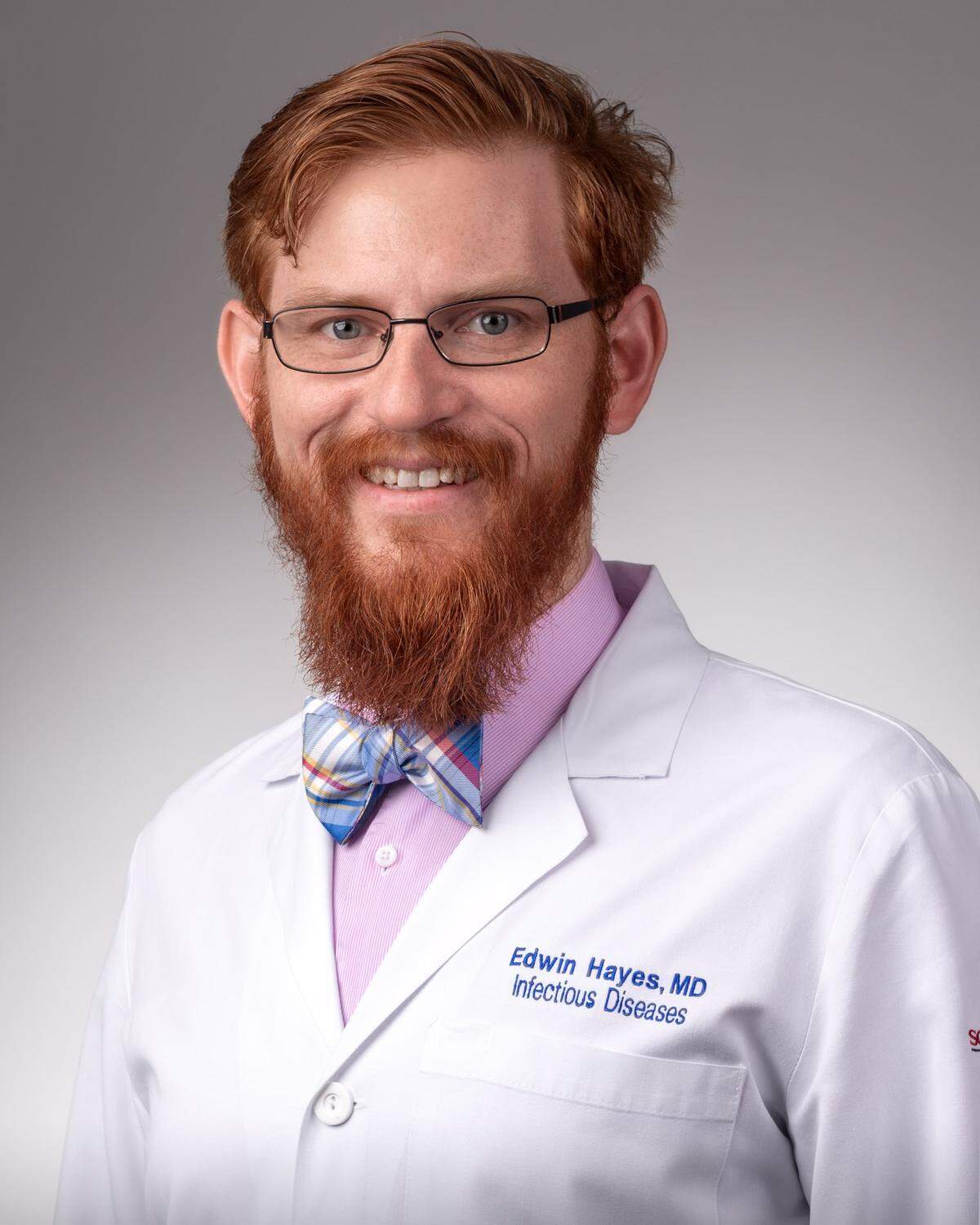
Remdesivir comes from a long line of drugs created to interfere with a virus’ ability to replicate — among the most notable examples is the treatment for HIV, Hayes said.
In order for a virus to spread, it has to latch onto certain “building blocks” in the body and use those materials to make copies of itself. A drug like remdesivir tricks viruses by mimicking those building blocks, and then slowing down the replication process, Hayes said.
“It ends up gumming up the work,” he said. “It’s like throwing a wrench in the gears of a factory process.”
A key part of the trial period is figuring out potential risks associated with any treatment, said Wil Milhous, a visiting lecturer in infectious disease at Clemson University. Previous trials showed remdesivir was safe in Ebola patients, putting drug developers one step ahead when trying the drug on COVID-19, he said.
The quick FDA approval means remdesivir is a “front-runner” right now in the world of potential COVID-19 drugs, according to Milhous, who has developed four drugs in his career, including two for the treatment of malaria.
“FDA approval usually takes weeks, years, years, years, and you need big populations. These are fairly small populations,” he said.
But despite remdesivir’s early promise, side effects or limitations could emerge as the drug is more widely used in trials, Milhous said. That’s why it’s important for scientists to work on many possible treatments and vaccines simultaneously.
“All drugs have warts,” he said.
Side effects that don’t show up early in testing may surface when thousands of patients are tested, Milhous said.
Prisma Health enrolled its first two patients in the trials on April 10, though Hayes declined to say how many were currently taking part. He said there is no cap on how many patients can be involved in the studies at Prisma Health, but physicians are searching for and hand-picking each one.
Hayes and his team are closely tracking how each patient reacts to remdesivir, noting any side effects, he said. So far in the trials, some patients have complained of nausea, or had toxin buildup if their kidneys weren’t working properly, Hayes said.
One of the defining qualities and key challenges of the COVID-19 virus is the wide range of immune responses to it, health care workers say. Remdesivir could be “part of the puzzle” in treating COVID-19 — perhaps alongside blood plasma therapies that hospitals such as Prisma Health Richland have found to be successful — but it’s too early to say for sure, Hayes said. The better communities contain the outbreak, the more time and resources health care workers have to get their bearings.
“We’re trying to figure out how the disease works at the same time that we’re trying to figure out how the treatment works, and that creates a lot of blind spots,” he said.
There are several key questions he wants answered about remdesivir: Is there a stage of the disease at which this treatment works best? Are there patient populations that would particularly benefit from this drug? A peer-reviewed report of the Gilead’s new remdesivir data could produce some valuable answers, he said.
In the lifetime of an emerging disease, it is still very early, said Milhous, who has had his students track the trajectory of COVID-19 since January. Researchers are still investigating COVID-19 immunity, and whether the virus can mutate into different strains, further complicating the race to find a global treatment, he said.
It’s also unclear what anti-inflammatory effects remdesivir could have, Milhous said. Inflammation of the heart and lungs is part of what makes the COVID-19 virus deadly for some patients, said Dr. Brent Powers, chief medical officer at Lexington Medical Center.
Last month, Lexington Medical Center was granted approval to participate in Gilead’s “expanded access program,” which allows for a select group of severe COVID-19 patients to be treated with remdesivir at community hospitals. The Lexington County hospital will administer a remdesivir infusion over 10 days to 10 patients who have tested positive for COVID-19 and have respiratory failure — but no other organ failure, Powers said.
On May 4, there were about 30 patients with COVID-19 at Lexington Medical Center, but just a few were on ventilators, according to Powers. The hospital does not yet have 10 patients who qualify for the remdesivir program.
Although Lexington Medical Center’s program is not a clinical trial, it will still send its findings to Gilead to inform future uses of the drug, Powers said. He is hopeful that a spirit of collaboration across the state, the nation and the world will result in a cure for COVID-19, he said.
“When there’s a crisis, it brings us together and allows us to work together in ways that historically or recently we haven’t seen,” he said. “We have a common goal to rally around.”
This story was originally published May 5, 2020 at 11:25 AM.