Some SC nursing homes couldn’t contain coronavirus outbreaks. Residents paid the price.
Nursing home residents make up more than a third of the lives claimed by coronavirus in South Carolina, and over half of those 141 deaths can be traced back to a small handful of facilities that did not contain infections, according to a review of case data by The State Media Co., The Island Packet and The Beaufort Gazette.
Despite restrictions on visitors and other precautions, COVID-19 tore through these 10 nursing homes, quickly infecting over half of their estimated resident populations, the analysis of S.C. Department of Health and Environmental Control figures and federal nursing home records found.
There may have been early warning signs in some of these nursing homes’ health safety records. Inspectors cited 80% of these facilities in recent years for violating standards meant to stem the spread of infectious disease, the newspapers found by reviewing federal reports.
Some facilities with extensive outbreaks also hold the lowest ratings on a federal quality scale and faced fines totaling six-figures in recent years after inspections revealed cockroach infestations, resident abuse and failure to resuscitate dying patients without properly formulated advance directives.
As state health officials follow through on plans to test all 40,000 residents and staff at the state’s 194 nursing homes for COVID-19, the extent of the potentially deadly outbreaks in these facilities is coming into clearer focus.
In interviews, state health officials and nursing home administrators said the ability of the coronavirus to spread quickly through people who aren’t showing symptoms — making screening measures less effective — only revealed itself conclusively as the pandemic wore on.
“This is a brand new virus. This is a 2020 disease,” said DHEC physician Brannon Traxler.
Traxler said the extensive outbreaks don’t indicate a failure on the part of nursing homes, adding that infection-control reviews since the pandemic began have revealed no “significant deficits.”
“Even in a perfect setting where everybody does everything better than the gold standard, unfortunately once the virus gets into a facility where everybody is living in close quarters … the virus can just spread,” Traxler said. Nursing homes were perfect breeding grounds for the coronavirus, full of older adults with underlying health issues without the ability to totally isolate themselves.
“Our folks locked down early and everything we could do could not stop it,” said Randy Lee, president of the S.C. Health Care Association, which represents some 170 nursing homes across the state
Health safety inspections reveal past infection-control issues
Federal regulations require Medicare-certified nursing homes to maintain and implement a plan to prevent the transmission of infectious disease.
Since 2017, inspectors observed violations of these rules in all but two of the 10 facilities with outbreaks affecting over half of their estimate residents. Four nursing homes were cited repeatedly, the newspapers’ review of federal inspection reports shows.
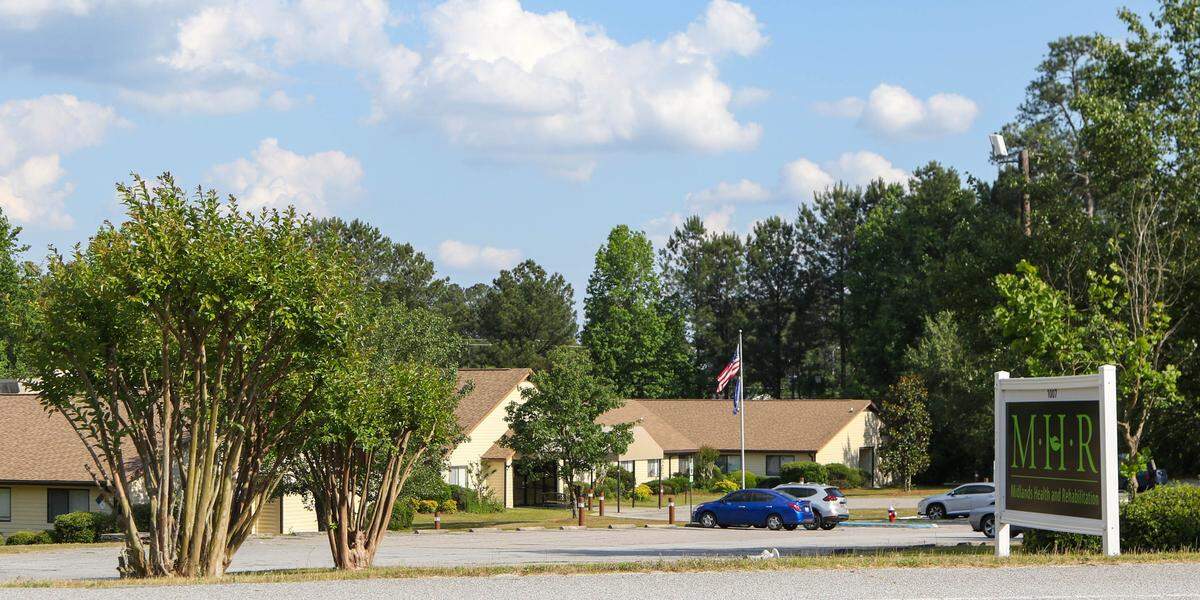
Inside one of the nursing homes, Midlands Health and Rehabilitation Center, an estimated 85% of residents, some 70 people, have tested positive. Ten have died since April 3 at the North Kings Street facility in Columbia, according to DHEC’s tally.
In 2019, a staff member at Midlands entered the room of a sick resident in isolation without first putting on protective gear. “I won’t touch anything,” she told an inspector, records show. The same inspection raised concerns about nurses’ lack of hand-washing and sanitary procedures during resident care.
In an email, Midlands administrator Jim Scott declined an interview after being sent questions about the nursing home’s COVID-19 outbreak and its health safety record.
The Heartland Health and Rehabilitation Center in Hanahan, near Charleston, where 13 residents have died since early April after getting COVID-19, has been cited twice for infection-control infractions since 2017. Pest control issues also cropped up.
During one of those inspections in 2018, a health official spied a cockroach crawling on the wall near the stove in the main kitchen. It was the 22nd insect the inspector documented in the span of 25 minutes, a report shows.
“I did not know there was a problem,” said the nursing home’s dietary manager, according to the report. Julie Beckert, a spokesperson for the nursing home’s Ohio-based parent company, said in an email the facility is currently in compliance with state and federal regulations.
“The health and well-being of our patients and employees remains our top priority,” Beckert said, outlining precautions the nursing home has taken, including creating an isolation unit for COVID-19 patients.
Both nursing homes currently hold a one-star, “much below average” quality rating in a federal database and have each been fined in excess of $100,000 in recent years by regulators after a laundry list of other health safety violations, including some that endangered residents’ lives.
Statewide, 65% of nursing homes that have recorded COVID-19 cases in more than 10% of residents have had infection-control violations since 2017. That’s compared to just over half of nursing homes without cases in residents or staff, the newspapers found.
The majority of these violations were minor, and nursing homes are required to submit correction plans to regulators. Traxler said DHEC typically sees improvements after nursing homes are cited. And so far infection-control inspections of facilities with COVID-19 outbreaks during the pandemic have revealed no significant issues needing remediation, Traxler said.
“It’s in these facilities’ best interests to take aggressive measures to protect their staff and their residents and to control these infections as quickly as they can. This is a business for them,” said DHEC chief of staff Jennifer Read in an interview.
Still, “even before the pandemic, every nursing home should have been following basic medical procedures,” said Anna Maria Conner, an attorney with the advocacy group Protection & Advocacy for People with Disabilities of South Carolina.
The pandemic has raised the stakes and revealed where the rules might not have been followed, she said.
Why did infections spread in some nursing homes?
Health officials are about midway through testing all of the state’s nursing home residents and staff, according to DHEC’s Read.
South Carolina was one of the first states in the nation to take that step after research suggested up to half of all nursing home cases were people who didn’t display COVID-19 symptoms, said Read.
The newspapers asked the 10 nursing homes with the highest numbers of confirmed COVID-19 infections in residents as of May 18 about their outbreaks and health safety records. A total of 87 residents have died after contracting the coronavirus at these facilities.
Eight of the nursing homes provided written statements to the newspapers outlining their efforts to curb infections, ensure adequate protective equipment for staff and isolate coronavirus patients, following state and federal guidelines.
Seven of the 10 reported all residents had been tested for COVID-19, some before the state announced its testing effort.
“As the result of this wide spread testing, our numbers of positive patients may appear high, especially when compared to similar organizations who have not done widespread testing,” said Carlyle Senior Care of Kingstree administrator Candy Slavinski in a statement. The 96-bed Kingstree facility has recorded 57 cases in residents and 9 COVID-19 deaths, according to DHEC data.
Several nursing homes said the vast majority of residents had tested positive without displaying symptoms.
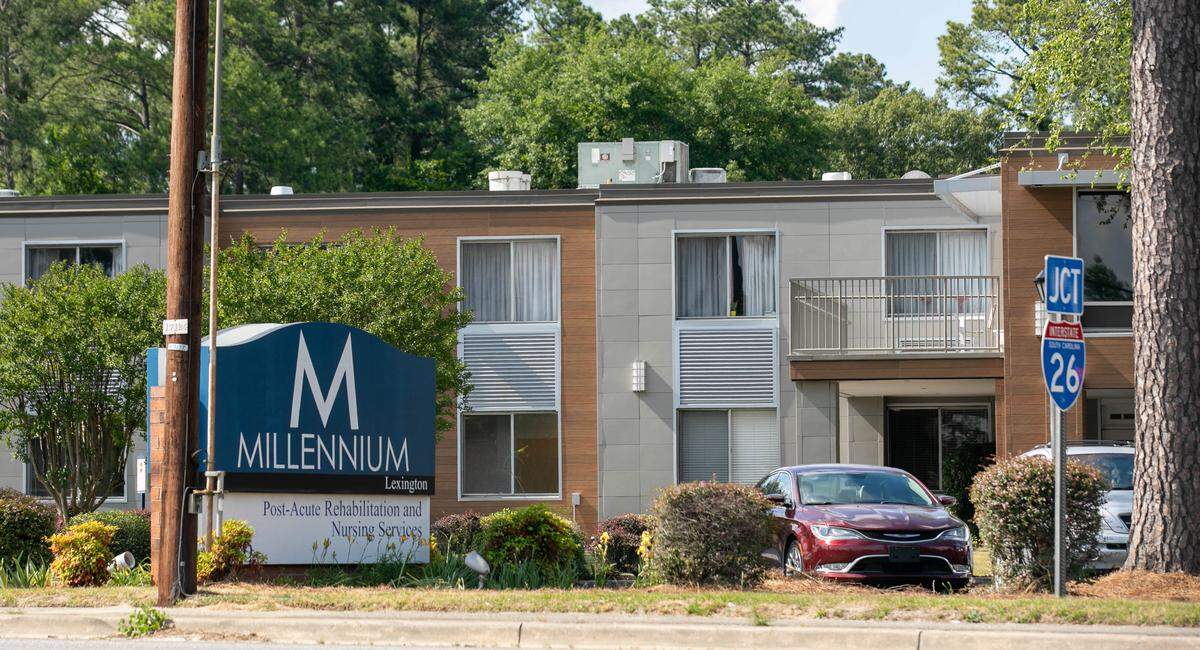
Tara Johnson, administrator at Millennium Post Acute Rehabilitation in West Columbia, said in an email that only two of some 45 residents with COVID-19 diagnoses currently had symptoms. The six COVID-19 deaths recorded at the facility were individuals who had serious pre-existing conditions or were in hospice care already, she said.
But all nursing home spokespeople declined to — or couldn’t — say specifically what circumstances led to the infection’s spread within their facilities. “It is difficult to pinpoint the source,” said Beckert with the Hanahan facility, in an email.
Even with screening measures in place, dialysis patients and staff entered and left the Millennium facility regularly, Johnson said. Her nursing home could not identify where the infections originated.
DHEC’s Read said staff members are the primary way the virus is entering nursing homes, pointing to overlap between facilities with outbreaks and areas that saw hotspots of COVID-19 transmission in the general population.
Lee, with the nursing home industry group, said the pandemic’s impact on residents was compounded by a serious lack of personal protective equipment. PPE consists of masks, gowns, gloves and other gear that protects health care workers from the virus, which is easily transmitted on surfaces and through sneezing or coughing.
“We’ve had training on what to do, but as far as PPE, no one’s had enough PPE, no one does have enough… there are still shortages all over the place,” said Lee.
“I am not aware of any facility having an immediate need,” said Read with DHEC, explaining that facilities can work through state emergency management officials to secure supplies.
Nursing homes become COVID-19 epicenters
South Carolina’s nursing home death toll is part of a tragic national trend.
Last week, The New York Times reported an estimated 28,100 residents and staff at nursing homes and long-term care facilities have died from COVID-19 — a figure that is almost certainly “an undercount of the true toll,” the story read.
At the time, that number represented about 35% of the then-total death toll from the virus in the U.S., about 85,000.
There is no centralized public database tracking COVID-19 deaths in the facilities, and The Times said it assembled its own case counts.
However, plans are in the works to require some 15,000 nursing homes around the nation to report COVID-19 information to the federal Centers for Disease Control and Prevention and to families of nursing home residents. The goal is to make such information available to the public, according to the Centers for Medicare & Medicaid Services.
About a dozen states report little or no information about cases in their nursing homes. South Carolina only began doing so in late April, after The State reported it was keeping the information secret and DHEC faced a lawsuit in Richland County to compel the agency to release coronavirus case information from nursing homes.
As of May 18, S.C. nursing home residents made up roughly 11% of those who have tested positive for the virus, but 37% of the total statewide deaths, according to DHEC data.
Charles Camosy, a nationally-known associate professor of theology and social ethics at Fordham University, sees a moral — as well as a public health dimension — in society’s failure to prevent thousands of deaths of nursing home residents around the nation.
“We knew that institutions caring for the elderly and disabled in close quarters would be particularly vulnerable during the pandemic,” Camosy, who has also appeared on Fox’s Tucker Carlson show, wrote last week in a New York Times op-ed.
“It was already a moral failing on our part as to how we were treating this population,” said Camosy in an interview with The State, pointing out that many nursing homes have long been plagued by underpaid, overworked staff that deliver care to society’s forgotten.
If there is a good side to the widespread reports about mass nursing home deaths, said Camosy, it is that perhaps the increased attention on nursing home residents will lead to better conditions. “Now we have to look at them. We weren’t before.”
At a Tuesday press conference, S.C. Gov. Henry McMaster was asked if the state could have acted more quickly to protect the state’s vulnerable nursing home population.
“One of the first things we did was eliminate the visitation in nursing homes (on March 13),” the governor said.
“Of course it was difficult all around the country to get all the protective equipment that we needed,” McMaster said. He added nearly all issues were taken care of. “I think we have largely resolved that now … We are fully equipped now.”
McMaster also said the state’s elderly, those with underlying conditions and those who live in long-term care facilities are a top priority. “Those are the ones that are most at-risk.”
Severe outbreaks concentrated in some troubled S.C. nursing homes
Some nursing homes that top the state’s list in terms of coronavirus cases among residents have exceptionally poor health safety track records, the newspapers found by reviewing Centers for Medicare & Medicaid Services inspection reports.
Of the top 10 as of May 18, half are rated “below average” or “much below average” on a federal five-star quality scale.
Two Midlands nursing homes in that group, PruittHealth - Blythewood and Midlands Health and Rehabilitation, have been considered candidates for a federal program that subjects a small minority of nursing homes to enhanced oversight because of unusually poor records of care, according to records published by CMS and a report released by two Pennsylvania senators last year.
The PruittHealth facility was fined close to $100,000 by federal inspectors after a wide-ranging 69-page report in 2017 found, among other violations, the home placed two residents in “immediate jeopardy” because their do-not-resuscitate orders weren’t properly reviewed and signed by two physicians, as is required by S.C. law.
Both died. “CPR should have been initiated,” read the inspection report, which also outlined an extensive plan of correction around formulating advance directives at admission.
In an emailed statement in response to a reporter’s questions, a PruittHealth spokesperson did not address the Blythewood facility’s health safety rating or violations. The spokesperson said the nursing home recorded its first presumptive positive COVID-19 case on April 22 and was placed on “Alert Code Red,” meaning “enhanced infection control protocol.”
According to DHEC, the nursing home has recorded 62 cases in residents and 24 in staff as of May 18. Seven residents have died after getting the virus. The spokesperson declined to share details about how the infection spread, citing patient and staff privacy.
Michael Jeffcoat, a Columbia attorney who has filed lawsuits alleging improper care given to residents in various S.C. nursing homes, said he is not surprised “in the least” that many nursing homes with serious health violations are among those with the highest numbers of COVID-19 cases.
“Nursing homes that tend to get a lot of violations are the same facilities that most often aren’t providing proper care,” Jeffcoat said.
DHEC’s Traxler said the state health agency isn’t observing a correlation between past violations and outcomes during the pandemic. “They really are doing everything they can to help these people,” she said.
Accountability for nursing homes?
In late March, federal regulators suspended regular nursing home inspections and froze its quality rating system, saying resources would instead be dedicated to documenting infection-control issues during the pandemic and responding to complaints of serious danger to residents.
They also levied a $611,000 fine on the Life Care Center in Kirkland, Washington, where at least 40 coronavirus deaths heralded the grim effects of the virus on similar facilities across the nation weeks before many states instituted lockdowns.
Federal inspectors said the Life Care Center failed to report its outbreak to local authorities for two weeks and gave inadequate care to residents.
DHEC, which regulates nursing homes in South Carolina, hasn’t observed “significant issues” while conducting infection-control inspections during the pandemic, said Read. Just over 90 nursing homes, including many with COVID-19 outbreaks, have been reviewed, according to a list DHEC shared.
“I would hope inspections are being done thoroughly,” said Conner, the advocacy attorney, who advises concerned family members of nursing home residents to report complaints to the state’s Long-Term Care Ombudsman and DHEC.
Lee, president of the S.C. Healthcare Association, said the nursing home industry supports some kind of shield law that would give some protections to nursing homes that find themselves the target of lawsuits alleging failure to protect residents from disease or death caused by COVID-19.
“I’m not talking about blanket immunity,” Lee said. “If you do something egregious, that is a different story.”
Such a law would have to be discussed and passed by the General Assembly, Lee said. Other states, such as New York, have enacted such protections. “We just started talking about it,” he said.
Conner understands concerns about frivolous lawsuits but said the courts provide an avenue for nursing homes to mount a legitimate defense against any claims. She called the idea of some kind of “up-front immunity” for nursing homes “concerning.”
“Nursing homes have a duty of care to their residents,” she said.
As for family members’ ability to visit loved ones in nursing homes, state health officials said DHEC will monitor case trends and CDC guidance and lift restrictions when appropriate.
The case count growth appears to be slowing, said Traxler. “But we’re not out of the woods yet.”
Maayan Schechter at The State contributed reporting.
This story was originally published May 21, 2020 at 1:28 PM with the headline "Some SC nursing homes couldn’t contain coronavirus outbreaks. Residents paid the price.."