
COVID in deer? SC wildlife experts haven’t tested, but they do know the virus came from humans
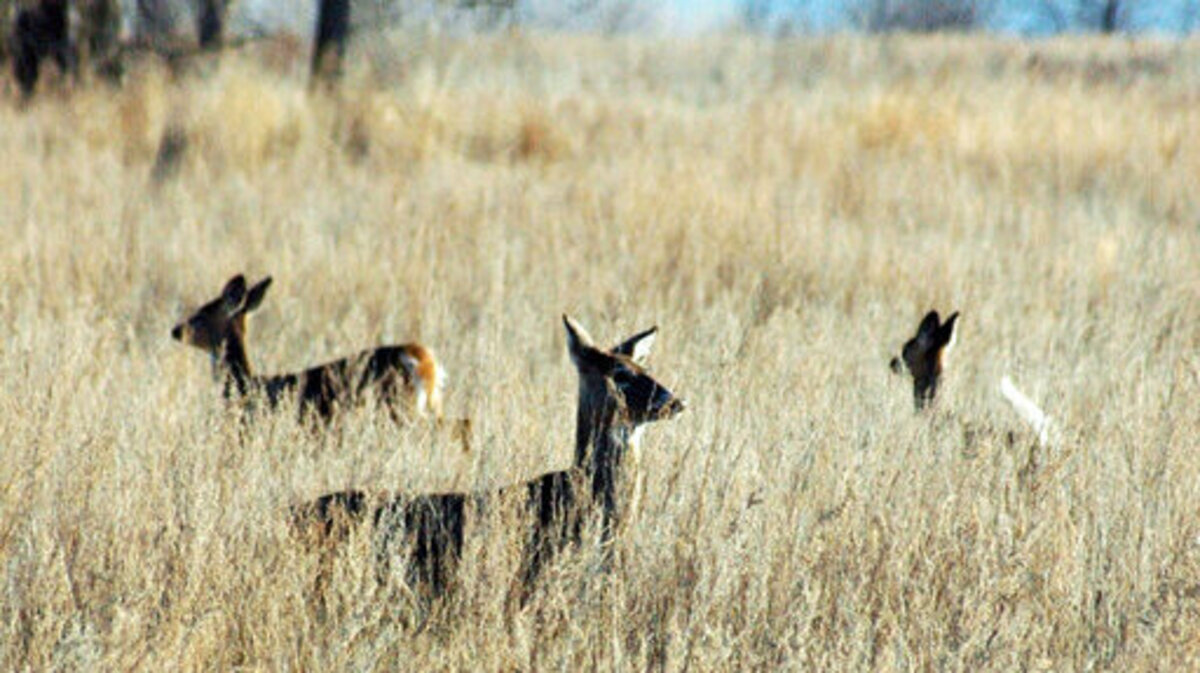
In case you’re wondering about all the reports from the Midwest about COVID-19 in white-tail deer, South Carolina’s big-game expert says scientists just don’t know whether the virus has spread this far.
No testing has been done, but nationwide testing is set to begin next year, Charles Ruth, the South Carolina Department of Natural Resources deer project supervisor, said.
Ruth said in the limited sampling that has been done in the Midwest, there is a fairly high percentage of deer that have antibodies associated with COVID.
But here’s the really interesting part: It is likely the deer got the virus from people, Ruth said.
And, furthermore, deer don’t get sick, Ruth said.
Scientists estimated between 30 and 40 percent of deer in Iowa have antibodies associated with COVID, Ruth said.
An important question to be answered as states begin studying this phenomenon is whether the deer will become a reservoir for the disease and then spread it back to people.
“If deer can transmit the virus to humans, it’s a game changer,” Tony Goldberg, a veterinarian at the University of Wisconsin-Madison, told The New York Times. “To have a wildlife species become a reservoir after transmission from humans is very rare and unlucky, as if we needed more bad luck.”
But Ruth said, have no fear, meat from harvested deer, cooked properly, is OK to eat.
South Carolina is in the middle of its 2021 deer hunt, which is credited with $200 million in retail sales annually.
Last year, nearly 200,000 deer were harvested by hunters in South Carolina, with Anderson, Spartanburg, Saluda, Bamburg and Orangeburg counties leading the state.
The deer population remains steady at about 730,000.
This story was originally published November 16, 2021 at 1:59 PM.