
Coronavirus weekly need-to-know: diabetes risk, allergies, sexual dysfunction & more
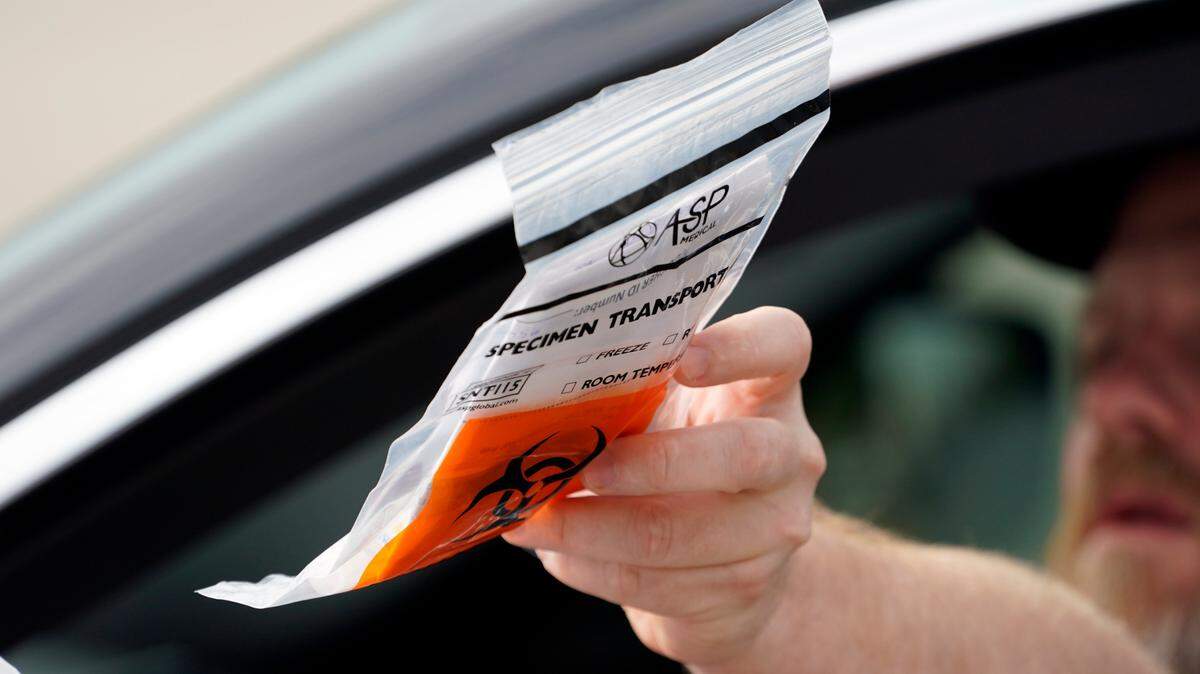
In the United States, more than 79.9 million people have tested positive for coronavirus as of Saturday, March 19, according to Johns Hopkins University, as cases continue to go down in the country.
To date, more than 970,000 people living in the U.S. have died, including about 3,000 since last week. Worldwide, there have been more than 468 million confirmed cases of COVID-19, including about 11 million new cases since one week ago.
Additionally, over 6 million have died from the virus globally. Roughly 216 million people in the U.S. are fully vaccinated as of March 18 — 65.3% of the population — and 96 million of those people have gotten a booster shot, according to Centers for Disease Control and Prevention data.
“”More than 98% of the U.S. population is in a location with low or medium COVID-19 Community Level,” the agency says as of March 10. This means roughly 2% of Americans reside in an area with a high COVID-19 Community level. For them, it’s recommended to wear a mask while indoors in public.
The CDC reports the weekly average of COVID-19 cases has dropped nationwide as of March 9. Cases are 28.8% lower compared to the prior week’s average, according to the CDC. The omicron variant continues to dominate positive U.S. cases, including its subvariants, for the week ending March 12.
Here’s what happened between March 13 and 18.
Getting COVID — even a mild case — increases diabetes risk, study finds. What to know
Catching COVID-19 can heighten a person’s chance of getting a diabetes diagnosis afterward — even if the infection didn’t result in hospitalization, according to a new study.
The research comes two years after a pandemic was declared and joins a growing body of studies seeking to understand the coronavirus’ long-term health effects. Already, roughly 37 million people in the U.S. are living with diabetes, according to the Centers for Disease Control and Prevention.
After a COVID-19 infection, a person’s risk of developing type 2 diabetes is about 28% higher compared with those who haven’t been sick with the virus, the new study published March 16 in Diabetologia, the journal of the European Association for the Study of Diabetes, found.
Keep reading for more on the study:
‘Heartbreaking to end awesome career.’ Airman to be booted for refusing COVID vaccine
A husband, father and Air Force captain in Oklahoma is reportedly facing discharge for refusing to get vaccinated against COVID-19.
Cpt. Daniel Knick told TV station KOKH that he and his family stand to lose a lot if that happens, but he isn’t changing his mind.
“It’s heartbreaking to end an awesome career that way,” Knick said.
And that ending comes at a bad time for his family, according to a recent Facebook post by his wife.
The story continues below:
Most in US say they’d go back to wearing masks if COVID cases rise again, poll finds
Now that it’s two years into the pandemic, most living in the United States aren’t as worried about the health risks COVID-19 poses compared with the last several months — but they say they’d wear face masks if needed, according to a new poll.
In fact, 3 in 4 U.S. residents say they’d return to masking up if virus infections ramp up where they live as of March 14, the latest Axios/Ipsos Coronavirus Index poll has found, as most states have lifted their mask mandates in recent weeks.
Most aren’t wearing masks when they go out anymore. A quarter of the country, 26%, says they’re “wearing a mask at all times when leaving the home,” the poll found. In comparison, this is a 43% drop from early February.
Continue reading here:
iPhone update finally lets users unlock screens while wearing a mask. Here’s how
Apple is rolling out a new feature for select iPhones that may make pandemic life a bit easier. Those donning their masks can now pay while still using Face ID with Apple Pay, thanks to the iOS 15.4 update.
The iOS15.4 update launched on March 14, and also includes new emoji and a new voice option for Siri. But their new Face ID feature has turned heads for its adaptation to the COVID-19 pandemic.
The new Face ID update can “recognize the unique features around your eye area,” and unlock your device and use Apple Pay while still being masked up, Apple said in a tweet.
Keep reading about the new iPhone update below:
COVID or seasonal allergies? Here are common symptoms for each as spring nears
Spring is around the corner — and that means your seasonal allergies could start to bother you.
As plants release pollen into the air, many people are dreading the impending discomfort. But with the coronavirus still spreading, what are some ways to tell whether your symptoms at this time of year are due to allergies?
Here’s how health experts describe the difference between common allergy and COVID-19 symptoms.
Continue reading:
Can COVID cause sexual dysfunction? Here’s what experts know — and what they don’t
COVID-19 survivors all over the world have continued to grapple with side effects of the disease long after their initial recovery. The experiences of COVID-19 long-haulers are still being studied, and scientific knowledge of the long-term impacts of the disease is still developing.
But on top of well-known side effects of long COVID-19, like brain fog and fatigue, some people might experience another surprising condition.
“I’ve seen patients with sexual dysfunction with long COVID,” Dr. Loretta Que, a pulmonologist with Duke Health and a professor of medicine, said during a media briefing on March 9. “It’s not a strange abnormality, but it’s odd for me because I’m a lung doctor and they presented with sexual dysfunction and pain.”
Keep reading for more information:
Reporters Mitchell Willetts, Mariah Rush, Simone Jasper and Vandana Ravikumar also contributed to this report.
This story was originally published March 18, 2022 at 7:16 AM with the headline "Coronavirus weekly need-to-know: diabetes risk, allergies, sexual dysfunction & more."
.jpg)