‘We did this.’ How a Myrtle Beach brewery opened during COVID and now thrives statewide
Walking into Tidal Creek, you never know what you’ll find.
The ever-changing beer menu high on the wall always has something new. There are two- and three-person tables scattered about and an espresso machine behind the bar. Is it a brewery? A coffee shop? It’s both.
But casual observers can tell a lot care went into the place. It’s spotless; you could never call Tidal Creek a dive bar, despite its strong cohort of regulars. And, nearly everyone asks about the bar top, which is embedded with oyster shells found in the owner’s backyard.
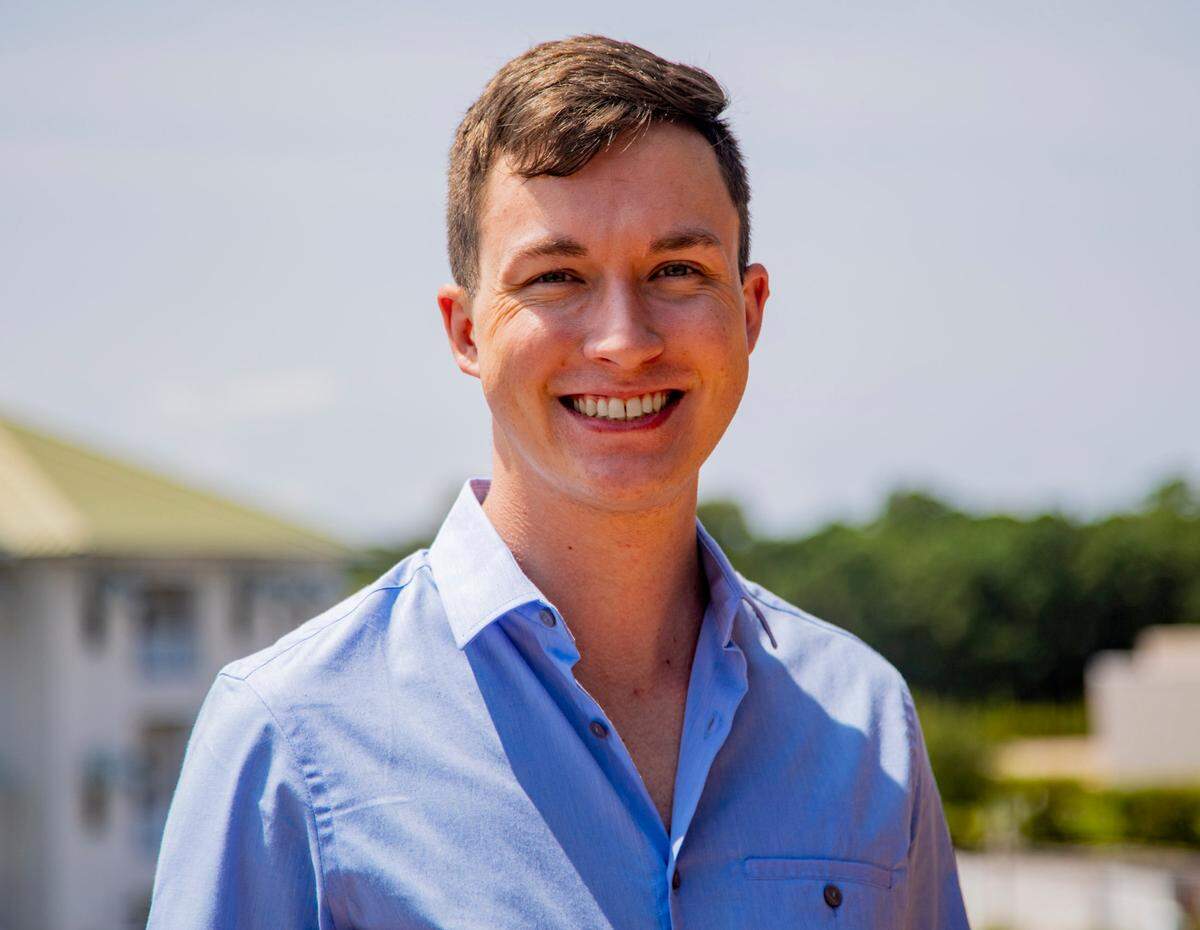
A former school principal, owner Dara Liberatore had left education behind and began planning Tidal Creek Brewhouse two years before the pandemic arrived. COVID-19 threw a wrench in her plans for the business. But today, any visitor walking into Tidal Creek might wonder if the pandemic had ever even happened there.
As soon as evening draws near, no matter what day of the week, the brewery gets busy with customers flooding in to try its beers, most of which are crafted onsite. The few that aren’t are still craft beer because — as the bartenders often have to remind new customers — no, Tidal Creek does not sell Bud Light.
Sixteen months since opening, the brewery has its beers available for sale at 88 restaurants around the Grand Strand and in stores statewide.
How did Liberatore manage to create a business that not only survived the pandemic but thrived? If you ask her, she didn’t expect things to work out as well as they have.
“Absolutely not. Not even going to sugarcoat that or lie,” she said. “When you open during a pandemic, you expect the worse of pretty much every day, and you hope for the best. We’ve been very fortunate and blessed to be surrounded by an amazing community of people.”
With Tidal Creek, Liberatore not only accomplished the near-impossible by opening and sustaining a business during the pandemic, but in doing so she helped usher in a wave of craft brewing to a tourist hotspot that, perhaps surprisingly, has lagged far behind the brewery trend. Now, Tidal Creek is not only one of the few, not to mention most popular, breweries in town, but the brand is picking up steam across South Carolina.
Many of Tidal Creek’s customers are regulars who have been four, five, six, dozens of times. But it also gets a strong contingent of tourists who find the place, as well. It’s almost impossible to walk through baggage claim at the Myrtle Beach airport without seeing an ad for the brewery on the reader boards. But plenty of people also find it just by walking or driving past.
The bar is also dog friendly, and many of the regulars have met Argus, Liberatore’s doberman.
More than anything else, Liberatore credits the uniqueness of Tidal Creek for its resiliency. Not only does it brew its own beer, it also roasts and brews its own coffee (hence the name: brewhouse, rather than brewery). All of the food, with few exceptions, is made onsite, as well. Rather than bags of chips, the bar food here is slightly elevated, from soft pretzels to fried green tomatoes to charcuterie boards. Tidal Creek also sells a variety of wines, including Chardonnay and Prosecco on tap, and a host of cocktails.
“We really wanted to make sure we had something for everyone,” Liberatore said. “Not everybody loves loves beer, right? Some people want to come in the morning and just sit back and relax and in a nice, safe environment, so offering coffee was a big thing.”
Uniqueness comes at a price. Some new customers will come into the bar looking for that Bud Light and a bag of chips. Liberatore’s bartenders stand ready to bring them into the craft beer fold, with a sharp knowledge of all of the beers, wines and cocktails available to recommend something that is similar to what customers are used to. (The Breezy Blonde, for example, is a common starter beer recommend to people looking for big name domestics.)
Finding the right niche
Myrtle Beach wasn’t the first thought for Liberatore, who lives in Charleston, when it came to opening a business. In fact, opening a brewery wasn’t her first thought, either.
As she began her career transition, she floated from one business idea to another — boutique fitness, doggie day cares — trying to find the right niche market. All the while, she and her husband, Adrian, went to breweries on the weekends. Eventually, they realized that maybe they should build their own.
At the time, around 2017, Charleston already was brimming with breweries. Plus, real estate there was so expensive that they’d end up having to build in a warehouse district, which Liberatore wanted to avoid. She started looking beyond the Lowcountry and came to Myrtle Beach, a place lacking in dedicated breweries. New South Brewing, near downtown, was one of the few.
Liberatore thought — hoped — Myrtle Beach was a prime market to break into. Tidal Creek opened its doors on the northern edge of Myrtle Beach’s Market Common in June of 2020.
“We knew people would be interested in the brewery concept. You see that as breweries grow all over the country,” she said. “We wondered why there weren’t breweries in Myrtle Beach, so that was the question in our mind.”
Her hunch about the market for local breweries was correct: Eight months after Tidal Creek opened, Grand Strand Brewing Company opened in downtown. In the next few weeks, another brewery will arrive in Murrells Inlet.
What took so long for Myrtle Beach to catch onto the wave of breweries that have washed over Charleston, Greenville and Columbia?
Brook Bristow, a longtime beverage industry lawyer in South Carolina, said Myrtle Beach’s brewery delay might have been because no one “wants to be the first.” He said that the education hurdle, getting a customer base to understand and like craft beer, might have been an issue, as well.
“We want our consumers to be educated, but there’s something to be said for that first person who is getting a new look at what is possible with beer,” Bristow said. “It doesn’t just have to be yellow fizzy water.”
Another dilemma, Bristow said, is understanding both the locals and the tourists who come to town. Do the visitors like craft beer? Many of them come from the northeast, where craft breweries are easy to find, so the answer is likely “yes,” Bristow said. But what about locals? While Myrtle Beach has tried to build itself into a year-round destination, many local businesses see strictly local customers for as much as half the year.
“Pardon the pun — there was a lot of untapped potential,” Bristow said. Before Tidal Creek, “New South, that was the only game in town.”
Part of the community
The beer Tidal Creek offers throughout the year isn’t static. Even week to week, customers are likely to find something different on tap. Some mainstays like the Breezy Blonde and Grand Strand IPA will always be there. But Brewmaster Patrick Gibson is always cooking up something new.
On a recent visit, he was getting ready to introduce a pumpkin beer once his Oktoberfest draft had run out.
“We do have a little bit of a new consumer base here who are just discovering craft beer,” Gibson said. “But the craft beer scene is flocking to Myrtle Beach ... so, we have to stay creative. We have to have a new beer on almost every week or else we’re going to lose out some of those customers who want to try the latest and greatest product.”
He’s also still getting to know his equipment. Even a year in, Gibson notes that much of the fun, and challenge, of his job comes from both creating new beers (it can takes weeks for a beer to brew, only to find out that it tastes bad), as well as recreating past limited-run concoctions that customers loved.
Tidal Creek also has worked to weave itself into the local community.
The nonprofit Pride Myrtle Beach hosts its monthly gatherings at the brewery. The events started out as planning meetings for this fall’s LGBTQ+ Pride week but have transformed into a way for queer people to gather in a safe space without going to a late-night bar.
Liberatore offered the space to Pride Myrtle Beach executive director Craig McGee without him even asking. When she told her staff, she presented it as a nonnegotiable: Tidal Creek was going to be a place that welcomed everyone.
“We told them this was happening and we said, ‘If you have an issue, you need to come forward because this may not be the right environment at the end of the day for you,’ because we want to make sure that we accept everybody,” Liberatore said. It wasn’t a problem. “Every single teammate felt as though, ‘This is who we are and this is what we’re all about.’”
With COVID still spreading in South Carolina, and the rest of the world, Liberatore’s plans to open a second, and even third location, are on hold.
Last month, however, Tidal Creek took a step toward its expansion plans. Liberatore licensed the rights to the brand to another company, which opened a beer garden inside the Tanger Outlets on Highway 17 in Myrtle Beach. Customers can now take the stress out of shopping by grabbing a Tidal Creek pint.
If you spot Liberatore at Tidal Creek, she’s often laser-focused on the work at hand, whether that’s figuring out how to handle a shortage of glasses during a big event the bar is hosting or making sure her employees have everything she needs. Though, she admits with a laugh, sometimes she needs to sit back and look at everything she’s managed to accomplish during an incredibly challenging time.
“When you when you put your emotions aside, because you obviously have peaks and valleys,” Liberatore said, “and you just really sit here and enjoy a beer with friends or family that come to visit it — your heart just wants to explode. It’s like, ‘We did this.’”
This story was originally published October 14, 2021 at 11:38 AM with the headline "‘We did this.’ How a Myrtle Beach brewery opened during COVID and now thrives statewide."