
This SC native died fighting in World War II. Now he's finally coming home.
On Aug. 1, 1943, 2nd Lt. William H. Harth Jr. of Columbia was a bombardier on a B-24D heavy bomber making a run over the Nazi-controlled oil refineries in Ploesti, Romania.
It was the first large-scale, low-altitude attack by U.S. heavy bombers on the strategic city. Called Operation Tidal Wave, the mission was one of the costlier for U.S. flyers in the war.
"Bloody Sunday," as it would be known, resulted in 53 aircraft being shot down and 660 air crew members being killed, including Harth. Adding to the heartbreak was that the mission and the rest of the "oil campaign" did little to stem the flow of fuel to the Nazi war machine.
"The Germans knew they were coming and it all went to pot," said Harth's niece, Bonnie Hipkins , of Irmo.
For decades, Harth's remains had been buried as unknown in an American cemetery in Belgium. But on Wednesday, Hipkins, her three children and three grandchildren will receive his remains at Columbia Metropolitan Airport. Harth will be buried at Fort Jackson National Cemetery at 11 a.m. Friday with full military honors.
"They are going to be presented with the Purple Heart" among other decorations, said Greg Dunbar, of Dunbar Funeral Home, which is handling the arrangements.
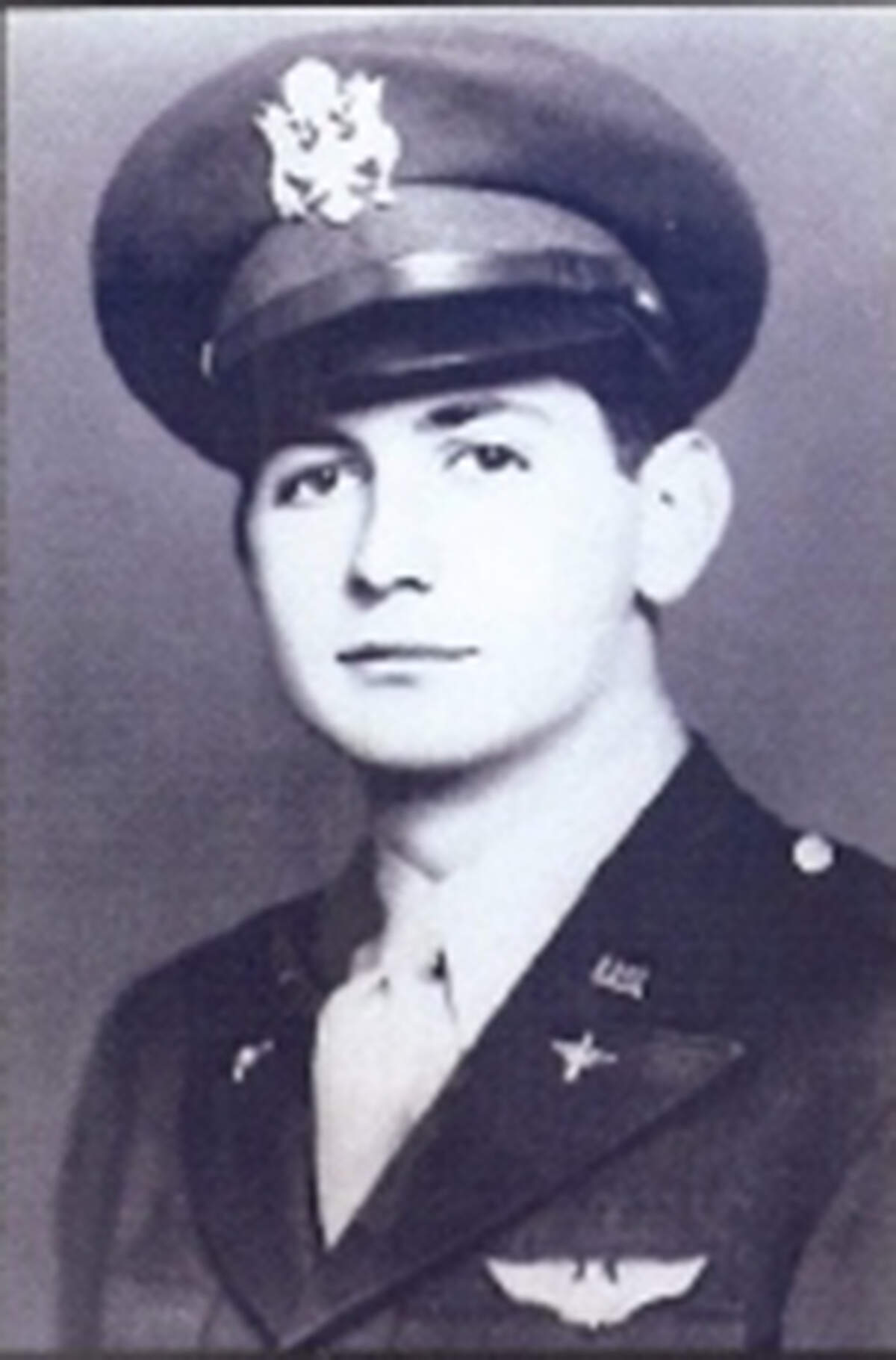
Harth was born in Columbia on Feb. 27, 1921, to Velda Baxter Harth and William Henry Harth Sr.
The younger Harth graduated from Columbia High School and attended USC before enlisting in the Army Air Corps. He was commissioned as an officer and bombardier on Oct. 10, 1942.
Harth was assigned to the 329th Bombardment Squadron (Heavy), 93rd bombardment Group, which was known as "The Traveling. Circus." Harth's bomber was called "Hell's Angels."
The 93rd Bomb Group formed at Moody Air Base near Valdosta, Ga. It served first in North Africa, then was transferred to Italy to support the Fifth Army.
Harth's road back to Columbia was a long one.
In the days after the raid, Romanian officials and civilians recovered the bodies of the American airmen who were killed and buried them in the Hero Section of the Bolovan Cemetery. In 1946 and 1947, American Graves Registration Command teams disinterred the remains and reinterred them in the American Military Cemetery at Neuville-en- Condroz, Belgium, now known as Ardennes American Cemetery.
At the time, the graves registry was able to identify 145 Airmen killed during Operation Tidal Wave, including three of Harth’s crew mates. The B-24 carried a crew of eight to 10 men.
Harth was listed as non-recoverable. But one set of remains was unidentified and listed as Unknown X-5192 Neuville.
Presently, there are 72,948 service members still unaccounted for from World War II. About 26,000 are assessed as possibly recoverable, according to the accounting agency.
After decades of historical and scientific analysis, it was determined that X-5192 could likely be identified. So on April 11, 2017, Unknown X-5192 was disinterred from Neuville and sent to the Defense POW/MIA Accounting Agency for analysis.
To identify Harth’s remains, scientists from the agency and the Armed Forces Medical Examiner System used mitochondrial and DNA analysis, which matched family members. Dental records, anthropological analysis and circumstantial evidence also confirmed the match.
Harth’s name is recorded on the Tablets of the Missing at the Florence American Cemetery in Italy, an American Battle Monuments Commission site, along with the others who are missing from World War II. A rosette will be placed next to his name to indicate he has been accounted for.
Harth was killed six years before his niece Hipkins was born, and no relatives have a living memory of him. But they are appreciative of the U.S. Department of Defense's ceaseless efforts to retrieve him.
"The Army is paying for everything," she said. "It's going to be a big deal."
This story was originally published April 2, 2018 at 6:32 PM with the headline "This SC native died fighting in World War II. Now he's finally coming home.."