
Two more cases of West Nile confirmed in Columbia, more mosquito spraying to occur
Two confirmed cases of West Nile virus were reported by the city of Columbia Monday.
Two dead birds that were found within the city limits have tested positive for West Nile virus.
This comes about a week after the S.C. Department of Health and Environmental Control reported the first human death from West Nile in South Carolina in 2018, according to The State.
Beginning on Wednesday, the city will be sprayed, targeting adult mosquitoes in the affected areas of Columbia, the city reported.
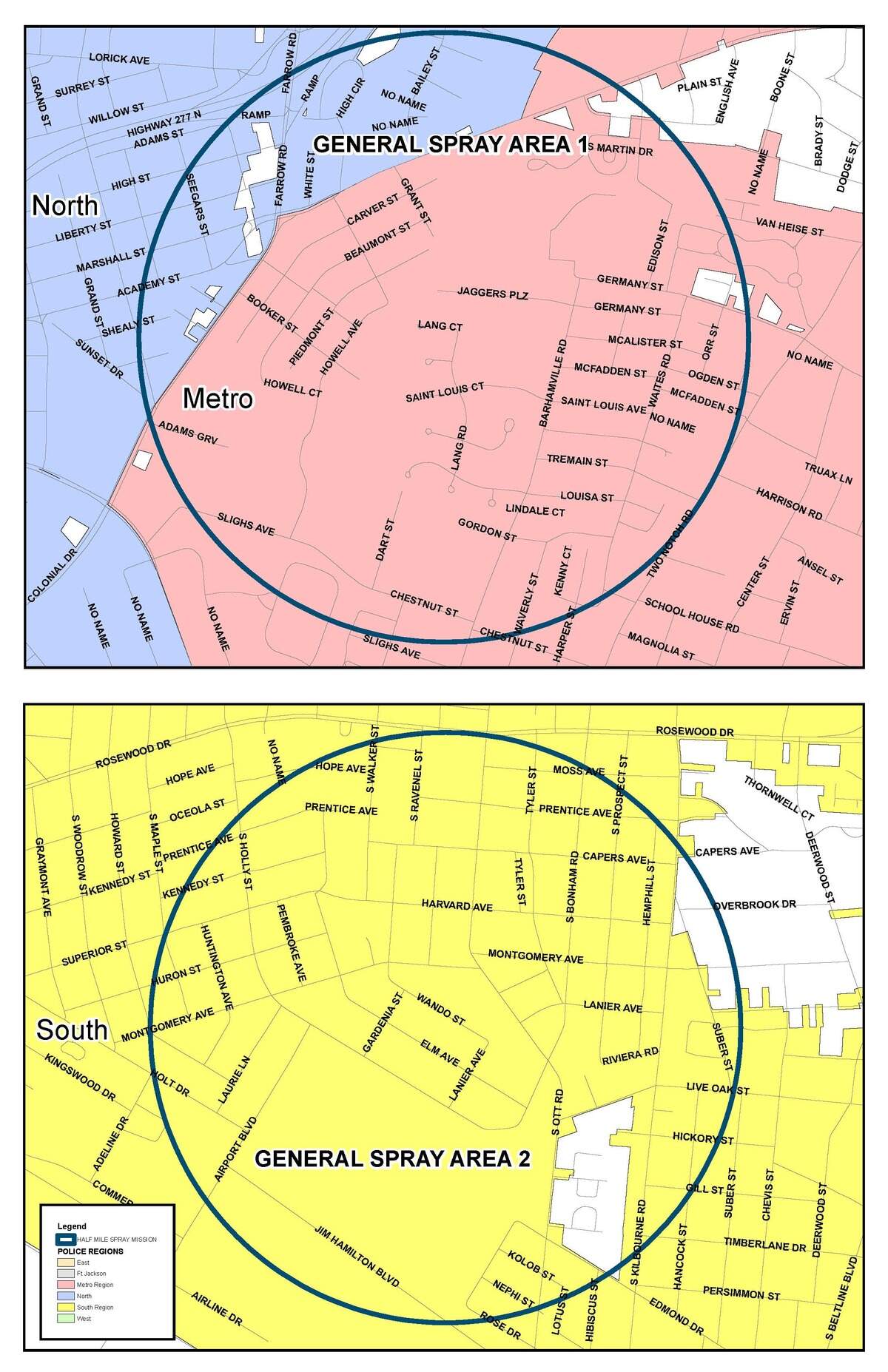
The spraying “will continue as needed,” per city officials, who said the process will primarily occur between midnight and dawn. It is possible the spraying will start earlier based on conditions.
People infected with West Nile virus can develop a fever and symptoms such as “headache, body aches, joint pains, vomiting, diarrhea, or rash,” according to the Centers for Disease Control and Prevention, which reported how to diagnose and treat the occasionally fatal disease.
The chance of getting seriously ill or dying from West Nile is low, according to DHEC. Less than 1 percent of people die, but those who do suffer from fatal swelling in the brain, and most people with the disease never exhibit symptoms.
Columbia residents allergic to permethrin or tau-fluvalinate are asked to call 803-545-4229 to alert city officials.
Additionally, bee keepers within the city limits have been told to call that number to make Columbia officials aware of their hives.
There have been recent reports of West Nile virus cases across South Carolina.
In August, Boiling Springs was sprayed after Spartanburg County Emergency Management reported a dead bird was carrying the disease, according to foxcarolina.com. Spraying also has occurred in Greenwood after the virus was confirmed there, the Index Journal reported.
West Nile also was found in birds in Greenville and Anderson counties, The State reported.
City officials have also released this list of “preventive measures” to limit the chances of encountering mosquitoes carrying the West Nile virus:
- “Use, according to the label instructions, EPA registered insect repellents that contain DEET, Picaridin, IR3535 or oil of lemon eucalyptus.
- Clear drainage ditches of debris and weeds.
- Pack tree holes with sand.
- Clean clogged roof gutters.
- Keep boats overturned, drained or covered (covers should not collect water).
- Stock ornamental ponds and water gardens with top-feeding minnows.
- Properly maintain swimming pools.
- Change the water in pet dishes, birdbaths and containers used to root plants at least once a week.
- Make sure there are screens on rain barrels and use the water as soon as possible.”
Source: City of Columbia
This story was originally published September 17, 2018 at 7:37 PM.