
He was a father figure to Columbia’s skateboard scene, ‘the raddest dad’ to his son
Editor’s note: This story was originally published online Sept. 9 and was updated following Michael Mayfield’s death.
In the drained pool of an abandoned motel in downtown Columbia, Michael Mayfield gave his young son advice on how to maneuver the concrete curves on his skateboard so that he could ride over the light fixture on the high end of the pool’s wall. Getting over the light wasn’t easy.
“I’d slam and, being a little kid, I’d start crying and he’d come down and pick me up and be like ‘alright, now why’d you slam? Let’s try it again,’” Wil Mayfield remembered his dad saying. “It’s not like he was making me but the way he presented it was that I was going to do it. … He always said if you start something you finish it.”
In the 1990s and early 2000s, that drained pool at the long-demolished Heart of Columbia motel near what’s now the Vista was the epicenter of the city’s skateboard scene. Just about every day, Michael Mayfield swept and cleaned the drained pool as well as another skate park filled with homemade ramps known as The Slab, which was located near the current site of USC’s Greek Village off Blossom Street.
He kept the spots clean not just for his son to learn to skate, but for other skateboarders to have a relatively safe place to learn. For Mayfield, skateboarding was more than an outsiders’ hobby, but a culture and way of life on its own terms.
Mayfield was a mentor to many young skaters who showed up at that pool, his son said. Decades later, after a concrete skate park was built in Rosewood, he continued to show up nearly everyday to clean, when needed, the ramps and bowls as well as to show kids and teenagers how to work their transitions, how to stick their landings and other skills that make skateboarding a lesson in living as much as it is a nifty set of tricks.
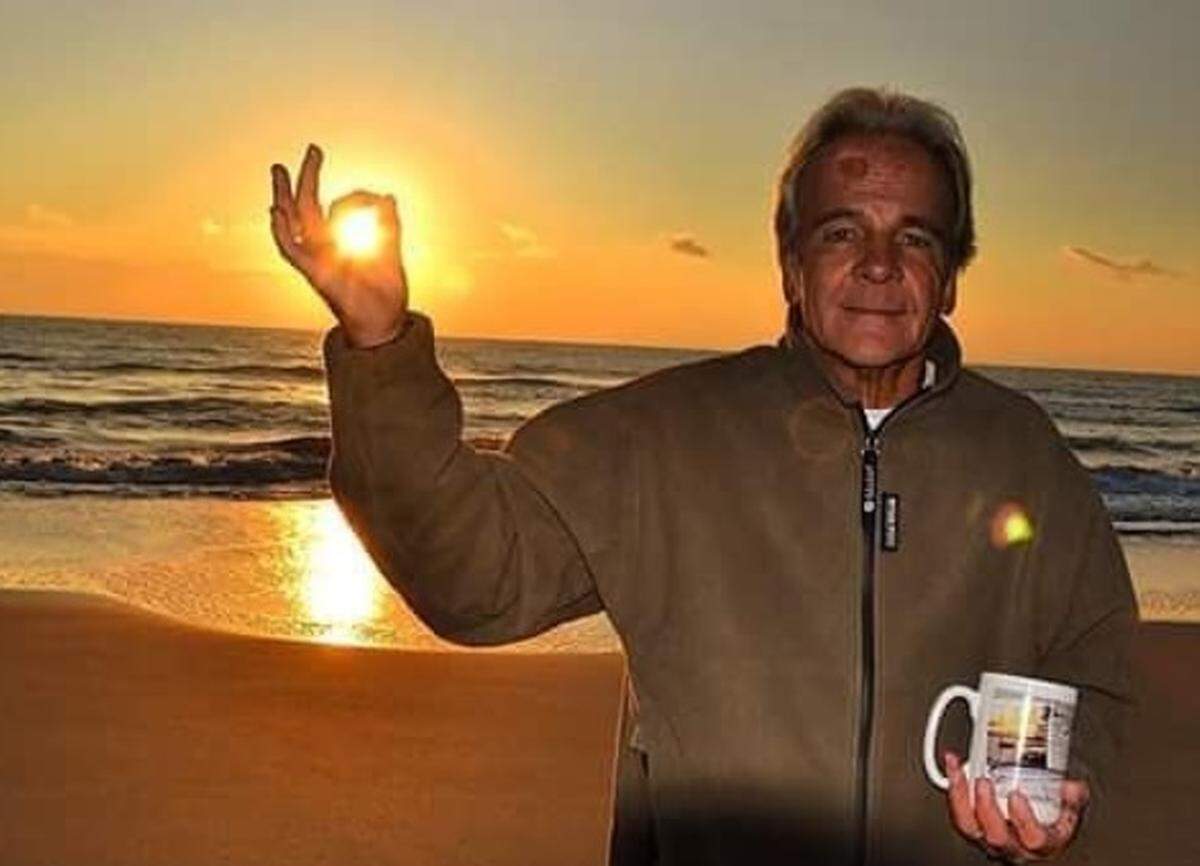
The cleaning and on-site lessons are over now, but not because of age or lost passion for Columbia’s skate scene. It took an inoperable condition to stop the 71-year-old from his routine. In August, doctors diagnosed Mayfield with a terminal brain tumor. On Sept. 14, he died.
People in Columbia are living up to the example Mayfield set and providing his family with support and care. An online fundraiser which will now help Mayfield’s family in the wake of his death raised more than $11,000
The founder of the fundraiser wrote that Mayfield was “a pillar of support to so many in Columbia.”
Artist Dave Rash of Devine Street Tattoo designed a set of tattoos inspired by Mayfield. Dozens of people showed up to get the Mayfield tattoos, and the money they paid will go toward his medical costs. The shop raised more than $2,000, Rash said.
Woodworker Larry Reaves, who makes his creations from spent skateboards, created a set of pins to support Mayfield.
On Sept. 15, only a day after the Mayfield’s death, Bluetile, a Five Points skate shop, hosted a skateboarding competition at Owens Field skate park that was inaugurated as the Mayfield Classic. Upwards of a hundred skateboarders, supporters and spectators came together to honor Mayfield, many saying that he would have wanted the skating to go on despite his death.
“Michael would’ve loved this,” Alex Fulmer said after the competition. “It’s amazing all of these people came together to celebrate his life and skating,” Fulmer said.
Mayfield was “a positive voice for skateboarding and an advocate for our community every single day,” said Dave Toole, owner of Bluetile.
Toole thought of Mayfield’s frequent go-to phrase for cordiality: “Happy to be here.”
The phrase transcended small talk and manifested the supportive and positive spirit that the “elder skatesman” lived with and freely gave out to anyone, especially young kids on skateboards.
Wil knows him as a dad, but he’s also a father-figure to many in Columbia.
“He knew how to be a mentor and he knew how to be a parent and he was damn good at it,” Wil said.
‘The raddest dad’
Mayfield began surfing and skating in the 1950s while growing up in Fort Lauderdale, Florida, his son said.
Skateboards at that time were made from wheels ripped off roller skates and screwed into planks by surfers wanting to mimic their ocean moves on streets. The ramshackle nature of skateboarding didn’t stop Mayfield from developing a love for riding that he took with him to the University of South Carolina, where he received a diving scholarship.
He competed in diving nationally, becoming a three time All-American while in high school, according to a 1968 Sports Illustrated article. He missed the Olympics by a couple hundreths of a point, Wil said.
After college, he moved to a more familiar and surf-friendly coastal setting in Pawleys Island. A friend brought skills to South Carolina from Southern California, where they were turning swimming pools into spots for skating. Mayfield nurtured his habit for skating by traveling with his friend to Myrtle Beach to ride the dry pools of abandoned Highway 17 motels.
He became a teacher and returned to Columbia to be a diving instructor at USC. That’s where he met his future wife, Paula — he jumped into a line for college soccer tryouts with no intention to kick a ball but rather to ask for a date.
“Typical Michael Mayfield smoothness that he always carries,” Wil said.
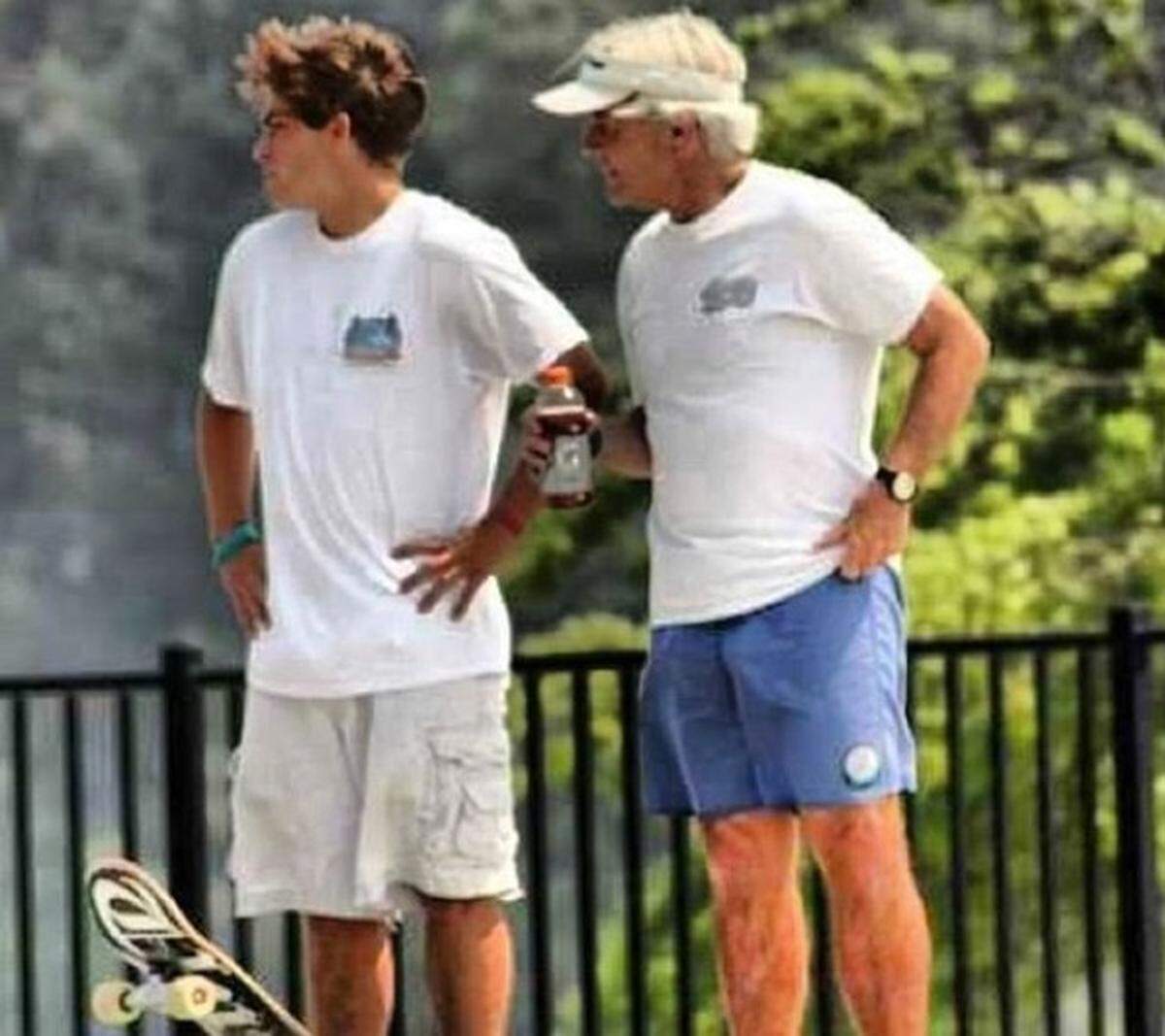
Wil was born in 1988, and his dad had him standing on a boogie board in the waves by the age of 2. A few years later, Wil paid for half of his first custom surfboard with lawn cutting money. His dad paid the other half. His father also put Wil on a skateboard.
Mayfield took his son to hilly neighborhoods in Columbia to let him ride and taught him to skate in pools and on quarter pipes because that’s how he learned in his early days on a board.
The routine was come home, do homework, then his dad would take him to skateboard or they’d drive to the beach to surf, Wil said.
Growing up, he was “the raddest dad,” Wil said. “He never ever said, ‘I hope you know I’m the good dad.’”
In the late 1980s, Mayfield was a substitute teacher at Hand Middle School where Larry Reaves was a student.
“He totally pointed me out and was like ‘you’re a skater punk,’” Reaves remembered. “That’s how I knew Mr. Mayfield got it.”
Over the next three decades Mayfield became a patriarch of the Columbia skateboard scene, Reaves said.
Young skaters needing advice about skating, or anything else, knew they could find Mayfield at the skate park.
“He’s probably the second father to at least a hundred kids in town whether they skate or not,” Wil said.
Life off the board never sunk him
In 1998 all the skaters almost lost their second father.
During a serious heart operation, Mayfield had to be revived eight times. Wil said doctors pushed to have a Do Not Resuscitate order signed but his family refused.
“We knew that he wanted to live,” Wil said.
He recovered from the operation with his love for skateboarding and his ability to support it unphased.
Mayfield was a classic Columbia figure, Toole said.
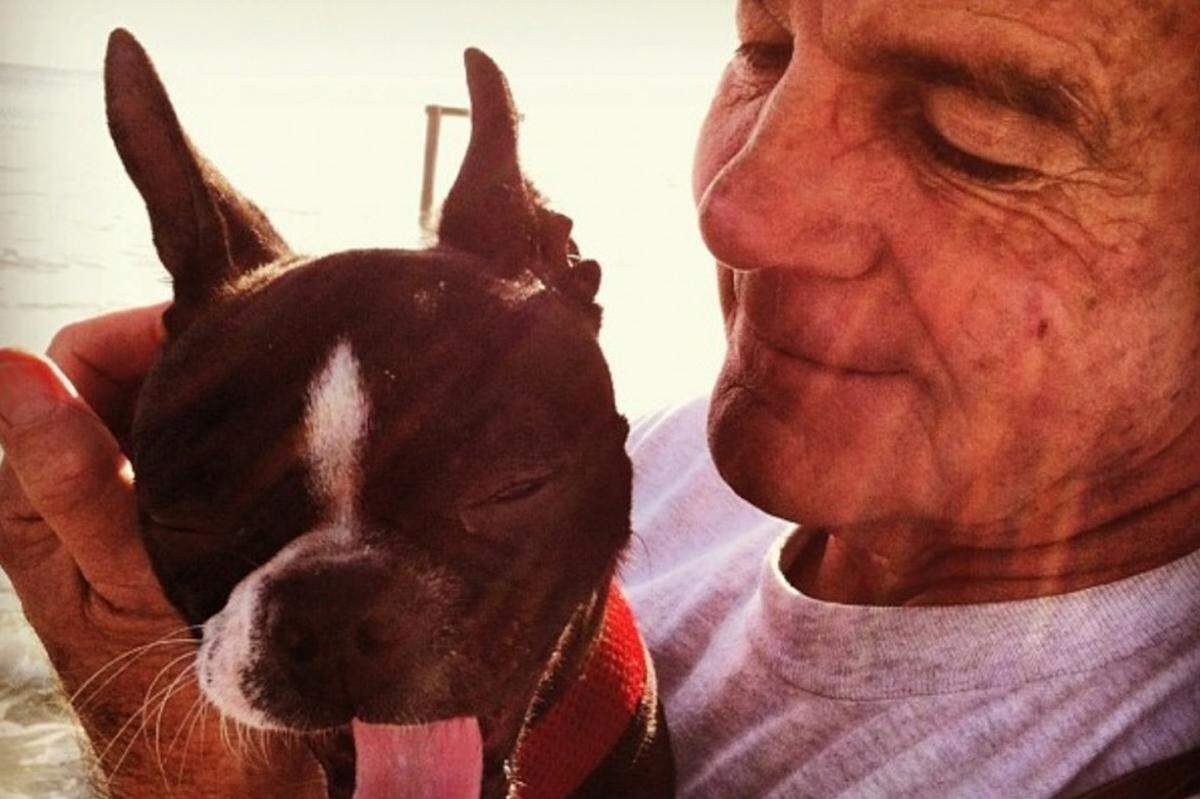
Many knew him as the guy who walked his Boston Terrier Penni through Shandon, picking up litter. He was known as a regular in Five Points and a frequenter of Groucho’s Deli.
“Wherever it is, there is no one exempt from a handshake or conversation with Michael as he spontaneously evokes a sense of trust and comfort in the people he encounters,” Daniel Hare, the founder of the online fundraiser and a longtime friend to Wil and his father, wrote before Mayfield’s death. “He serves, even if for a moment, as a mentor to all, reminding those around him that they matter.”
His spirit was tested again and again with the death of his wife in 2010 and a 2013 house fire that claimed his beloved dog Pauli and left him with nothing, according to Hare. Mayfield came away with his character intact.
“Michael has maintained a wholehearted togetherness and continues to evoke positivity in the world around him,” Hare said. “Despite heartbreaking circumstances, Michael has managed to put a smile on others as well as on himself every day.”
Dave Rash, the tattoo artist, and others interviewed for this story shared a refrain: “He’s a good dude.”
Or as Wil said, his father was “the freakin’ bionic man.”
One more piece of advice
Mayfield’s condition undoubtedly changed how he interacted with the people who grew to know and love him and the strangers he never met, but Wil said he was still the same Michael Mayfield within until the end.
On one of his last visits with his father, Wil told his dad about a new skateboard trick he was trying — a 540, which involves twisting one-and-a-half rotations in the air.
“‘Tuck it and cork it a little more,’” his dad said.
He told his son to keep it tighter, push harder from the wall and “‘not to rush the take off.’”
“I’m sitting there and I realize I think that about everything, not just skateboarding,” Wil said. “Don’t rush the take off. … Be thorough about every step you take” and “don’t stop trying.”
The advice his dad gave him and so many others over the years about skateboarding was for life too, Wil said.
You can donate to the GoFundMe online fundraiser for Michael Mayfield’s family by going to https://www.gofundme.com/f/if-you-shook-his-hand?
This story was originally published September 9, 2019 at 5:00 AM.