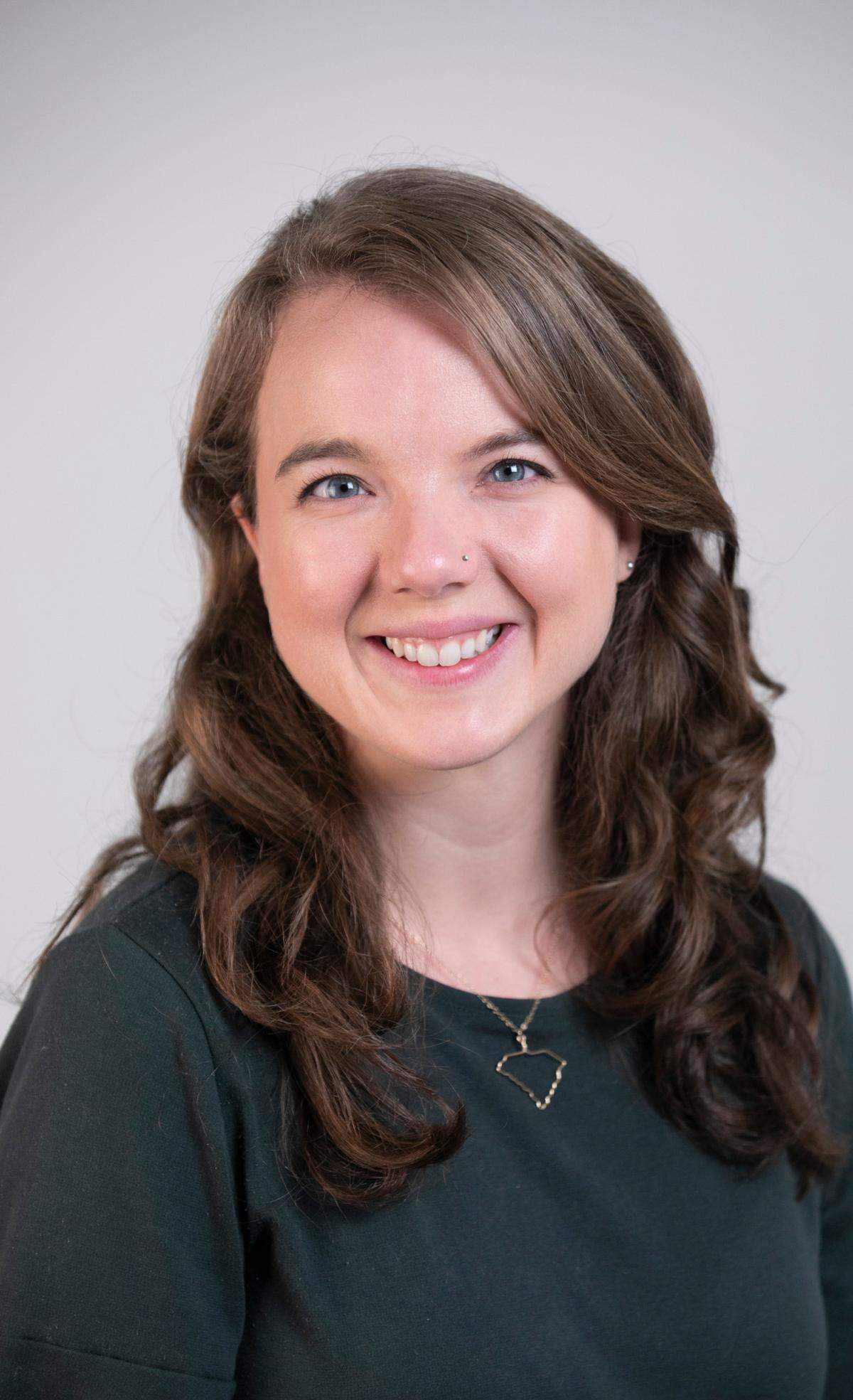
Put off breast cancer screening? It could cost you your life, Columbia survivor warns
If Dawn Hunt had waited, she might not be alive.
At age 45, the Columbia mom and project manager became a breast cancer survivor. But had she gone without her annual mammogram, her stage-one diagnosis and the following year of treatment “could have been a totally different story,” she said.
“It escalates. It gets so far beyond what you can manage if you continue to put it off,” she said. “Those are things you just don’t put off.”
Hunt’s survival story is also a cautionary tale, as national health experts are concerned more people are putting off routine cancer screenings while the coronavirus pandemic stretches on this year, potentially leaving cancers undetected and putting lives in danger.
The National Cancer Institute has estimated an additional 10,000 people could die of breast and colorectal cancers — which often count on early detection to improve life expectancy outcomes — than would normally be expected over the next decade due to the effect of COVID-19 on deterring cancer screenings and treatments.
Preventative cancer screenings dropped sharply in the early weeks of the pandemic in the U.S., the Epic Health Research Network found in a May study. Screening numbers have rebounded but still not to previously expected levels, the research group says. Delayed screenings could lead to cancers being detected at later stages with poorer prognoses, those researchers say.
Locally, the Prisma Health Breast Center says there does not seem to have been an abnormal dropoff in the number of patients receiving mammograms in recent months, with some 3,600 women and men screened monthly, on average, at Prisma Health Baptist and Richland hospitals and the mobile mammography unit, said Sarah Sinclair, the mammography imaging manager at those locations.
Likewise, Lexington Medical Center has seen roughly normal numbers of mammograms at its facilities in recent months, spokesperson Jennifer Wilson said. But that’s a rebound from the early weeks of the pandemic, when there was a decline in screenings compared to March and April the previous year.
That’s an encouraging trend, Sinclair said, given the difficulty for women to make the time for — and feel safe — getting their yearly mammograms amid the disruption of the pandemic, which has closed schools and businesses, stripped livelihoods and complicated all kinds of face-to-face interactions this year.
The American Cancer Society encourages women to have annual mammograms starting between the ages of 40 and 45.
Without even factoring in the stress of the pandemic, “we don’t take care of ourselves,” Sinclair said. “We should never be so busy that we can’t get cared for, especially if we see something growing on the outside of our breasts.”
The moment ‘everything changed’
An extra six or 12 months without a mammogram might have cost Hunt her life. In the summer of 2013, young and healthy and with no family history of breast cancer, she, if anyone, should have had relatively little reason to worry.
After her annual mammogram and a follow-up appointment just before the July 4 holiday weekend, Hunt remembers sitting beside her husband in their bedroom when she got the phone call from a nurse on a Friday afternoon.
“You think you’re not ever going to be diagnosed or impacted like anybody else is. But at my age and feeling like I’d always done the right things, it did kind of catch me off guard,” said Hunt, now 52. “As soon as she said ‘it’s cancer,’ had I been standing up, my knees would have buckled. I remember my eyes filling with tears, and you almost can’t breathe for a moment. And so all of a sudden, I started thinking about what this meant going forward.
“Everything you knew about everything changed.”
A year of chemotherapy, radiation and surgeries followed before Hunt took on her new role in life as survivor and advocate.
“One of the worst things that happened in your life has actually brought the most joy, in a lot of ways. It’s about helping other people; it’s about educating individuals, helping people understand what they can do for their friends or family when a diagnosis occurs,” Hunt said.
Stepping up for the next survivor
The pandemic has affected the signature local fundraiser that’s helped purchase nine 3D mammography machines as well as support breast cancer patients and survivors across the Midlands, where Hunt has become an event leader the past two year.
Prisma Health’s annual Walk for Life event, a 30-year tradition for raising funds and awareness for breast cancer treatment in the Midlands, has gone virtual this year, so far collecting more than $270,000 to go toward expanding programs and services for Prisma Health breast cancer patients.
“I raise funds and help do this every year because I could be the next one. You could be the next one. Our daughters could be the next one,” said Sinclair, the Breast Center imaging manager. “I’m raising money for the next potential survivor.”
Friends of Hunt’s started a Walk for Life fundraising team in her honor several years ago, bringing her into close community with other survivors and supporters. Hunt is now in her second year as chair of the Walk for Life.
With this year’s event being widely promoted online and encouraging participation in any location for the full month of October, it’s allowed the cause to spread farther and, potentially, make a larger impact, Hunt said.
“It may not be your family or close friends now, but that doesn’t mean that six months or two years from now, you’re not (experiencing this),” she said.
This story was originally published October 16, 2020 at 9:04 AM.